

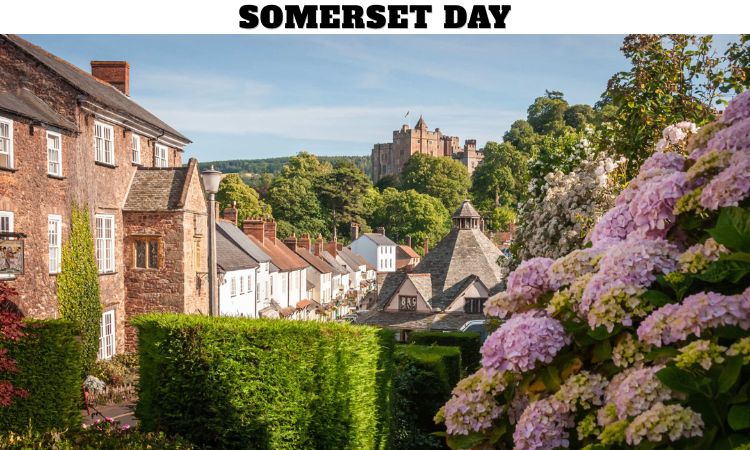
What Is Somerset Day and Why Is It Celebrated on May 11?
Somerset Day, celebrated annually on May 11, is a special occasion dedicated to honoring the rich history, culture, traditions, landscapes, and community spirit of Somerset, one of England’s most historic counties. The day provides an opportunity for residents, visitors, schools, businesses, and local organizations to celebrate everything that makes Somerset unique.
The date of May 11 was chosen because it marks the anniversary of the release of the “Somerset Declaration” in 878 AD by King Alfred the Great. This declaration is historically associated with the resistance against Viking invasions and the preservation of Anglo-Saxon England. Somerset played a major role during this period, making the county deeply significant in English history.
Somerset Day highlights local pride and encourages people to explore the county’s heritage, countryside, food, music, arts, and traditions. Communities often organize festivals, markets, educational activities, and cultural events to mark the occasion.
Where Is Somerset Located and Why Is It Famous?
Somerset is located in the southwest of England and is known for its beautiful countryside, rolling hills, historic towns, and coastal scenery. The county borders Gloucestershire, Wiltshire, Dorset, and Devon, making it one of the most picturesque regions in the country.
Somerset is famous for several reasons, including:
- Historic landmarks
- Rural landscapes
- Traditional cider production
- Glastonbury Festival
- Cheddar cheese
- Ancient architecture
- Arthurian legends
- Agricultural heritage
The county combines natural beauty with historical significance, attracting tourists from around the world throughout the year.
Somerset Day celebrates these attractions while encouraging people to support local culture and businesses.
Why Is King Alfred the Great Connected to Somerset Day?
King Alfred the Great holds an important place in Somerset’s history. During the late ninth century, Alfred used the Somerset Levels and surrounding areas as strategic locations in his resistance against Viking forces.
One of the most famous sites associated with Alfred is Athelney, where he reportedly regrouped his forces before defeating the Vikings at the Battle of Edington. His leadership helped preserve Anglo-Saxon England and contributed to the development of a unified English identity.
The Somerset Declaration of 878 AD is often linked with these historical events, which is why May 11 became the chosen date for Somerset Day.
The celebration recognizes Somerset’s role in shaping English history and honoring the county’s historical legacy.
What Are the Most Famous Attractions in Somerset?
Somerset is home to numerous attractions that reflect its cultural and historical importance.
Glastonbury Tor
This iconic hill, topped with St Michael’s Tower, is associated with myths, legends, and spiritual traditions. It attracts visitors interested in history, religion, and scenic views.
Cheddar Gorge
One of Britain’s most spectacular natural landmarks, Cheddar Gorge features dramatic limestone cliffs and caves.
Wells Cathedral
Located in the city of Wells, this medieval cathedral is considered one of the finest examples of Gothic architecture in England.
Bath
Although now a ceremonial county separate from Somerset, Bath has historical ties to the region and is famous for Roman baths and Georgian architecture.
The Somerset Levels
These wetlands and plains are known for their biodiversity, farming heritage, and historical significance.
Somerset Day often encourages people to explore these famous destinations and learn more about the county’s heritage.
How Does Somerset Celebrate Its Local Traditions?
Somerset has a strong tradition of preserving local customs, festivals, and community celebrations. Somerset Day itself has become part of this tradition by promoting regional pride and participation.
Local traditions include:
- Morris dancing
- Folk music performances
- Agricultural fairs
- Village fêtes
- Cider festivals
- Carnival parades
- Traditional food markets
Communities across the county participate in cultural activities that showcase Somerset’s unique identity. Schools often organize lessons about local history, while businesses may display Somerset flags or support local products.
The celebration strengthens community bonds and helps preserve traditions for future generations.
Why Is Somerset Known for Cider Production?
Somerset is internationally recognized for its cider production due to its long history of apple farming and traditional brewing methods. The county’s climate and fertile soil create ideal conditions for growing cider apples.
Traditional Somerset cider is often made using locally grown apples and centuries-old techniques. Many family-run farms and cider houses continue producing authentic cider today.
Cider culture remains an important part of Somerset’s rural economy and identity. Visitors frequently tour cider farms, sample local varieties, and attend cider festivals.
During Somerset Day, local producers often promote regional beverages and celebrate the county’s agricultural heritage.
What Role Does Agriculture Play in Somerset’s Identity?
Agriculture has shaped Somerset’s economy, culture, and landscapes for centuries. The county’s fertile land supports dairy farming, apple orchards, livestock, and crop production.
Somerset is especially famous for:
- Dairy farming
- Cheese production
- Apple orchards
- Cider making
- Sheep farming
The rural nature of Somerset contributes to its peaceful atmosphere and scenic beauty. Traditional farming practices continue to influence local life and tourism.
Somerset Day recognizes the importance of farmers and rural communities in preserving the county’s identity and economy.
Why Is Cheddar Cheese Connected to Somerset?
Cheddar cheese originated in the village of Cheddar in Somerset, making the county globally famous for one of the world’s most popular cheeses.
The caves in Cheddar Gorge historically provided ideal conditions for aging cheese because of their cool and humid environment. Traditional cheddar production became an important part of Somerset’s food heritage.
Today, cheddar cheese remains strongly associated with the county, attracting food lovers and tourists interested in culinary history.
Somerset Day often highlights regional foods, including authentic Somerset cheddar and locally produced dairy products.
How Has Somerset Influenced British Culture?
Somerset has had a major influence on British culture through music, literature, agriculture, festivals, and history.
One of the county’s most internationally recognized cultural events is the Glastonbury Festival, one of the world’s largest music festivals. Although modern and contemporary, the festival reflects Somerset’s creative and community-driven spirit.
The county has also inspired writers, poets, artists, and historians through its landscapes and folklore. Legends connected to King Arthur and Avalon are closely linked with Glastonbury and the surrounding region.
Somerset’s influence can also be seen in traditional British foods, rural customs, and architectural heritage.
What Makes Somerset’s Landscapes So Special?
Somerset is known for its diverse and beautiful landscapes that attract hikers, photographers, and nature enthusiasts.
The county includes:
- Rolling hills
- Wetlands
- Coastal cliffs
- Woodlands
- Farmlands
- River valleys
Natural landmarks such as Exmoor National Park and the Mendip Hills offer breathtaking scenery and outdoor recreation opportunities.
Wildlife and biodiversity are also important features of Somerset’s environment. The Somerset Levels provide habitats for birds and other species, making the area valuable for conservation.
Somerset Day encourages appreciation for the county’s natural beauty and environmental heritage.
How Do Schools and Communities Participate in Somerset Day?
Schools and local communities play an important role in celebrating Somerset Day. Educational programs often teach students about the county’s history, geography, and traditions.
Common activities include:
- History lessons about King Alfred
- Traditional music performances
- Art competitions
- Local food tastings
- Community fairs
- Flag displays
- Heritage walks
Communities may also organize charity events, concerts, and local exhibitions to strengthen regional pride.
The day creates opportunities for people of all ages to connect with Somerset’s culture and traditions.
Why Is Local Pride Important on Somerset Day?
Local pride helps communities preserve traditions, support local businesses, and maintain cultural identity. Somerset Day encourages residents to celebrate the county’s achievements, heritage, and contributions to English history.
In an increasingly globalized world, regional celebrations help protect local customs and historical awareness. They also encourage tourism and economic support for local industries.
Somerset Day reminds people of the importance of community spirit, historical preservation, and appreciation for regional identity.
What Is the Lasting Importance of Somerset Day?
Somerset Day continues growing as an annual celebration of heritage, culture, and community. The observance helps preserve historical knowledge while promoting tourism, education, and local pride.
The county’s contributions to English history, agriculture, music, and culture make it an important part of Britain’s national identity. Somerset Day provides an opportunity for people to celebrate these contributions while looking toward the future.
The celebration also reminds communities to value traditions, support local businesses, and protect the natural beauty of the region.
As more people participate each year, Somerset Day strengthens the connection between history, culture, and modern community life.
Frequently Asked Questions (FAQs)
1. When is Somerset Day celebrated?
Somerset Day is celebrated every year on May 11.
2. Why is Somerset Day observed on May 11?
The date marks the anniversary of the Somerset Declaration linked to King Alfred the Great in 878 AD.
3. Where is Somerset located?
Somerset is located in southwest England.
4. What is Somerset famous for?
Somerset is famous for cider, cheddar cheese, Glastonbury, historic landmarks, and beautiful countryside.
5. Who was King Alfred the Great?
King Alfred the Great was an Anglo-Saxon king known for defending England against Viking invasions.
6. What is the Somerset Levels area known for?
The Somerset Levels are known for wetlands, wildlife, farming, and historical significance.
7. Why is cheddar cheese linked to Somerset?
Cheddar cheese originated in the village of Cheddar in Somerset.
8. How do people celebrate Somerset Day?
People celebrate with festivals, cultural events, local food, music, educational activities, and community gatherings.
9. What is Glastonbury Tor?
Glastonbury Tor is a historic hill in Somerset associated with legends and spiritual traditions.
10. Why is Somerset important in English history?
Somerset played a key role in King Alfred’s resistance against Viking invasions and has a rich cultural heritage.