

Why Is National Odometer Day Celebrated on May 12?
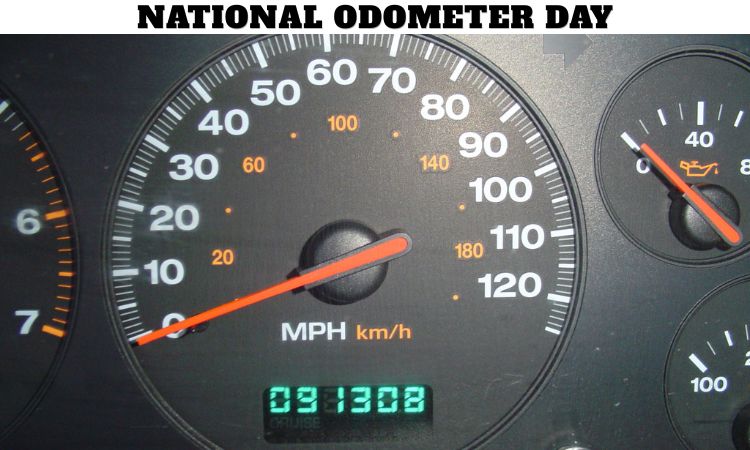
National Odometer Day, observed annually on May 12, celebrates one of the most essential instruments in the automotive world: the odometer. This day recognizes the importance of mileage tracking in vehicles and honors the invention that transformed transportation monitoring and vehicle maintenance.
The odometer plays a critical role in measuring the distance traveled by a vehicle. From helping drivers schedule maintenance to determining vehicle value and fuel efficiency, the odometer has become an indispensable part of modern transportation.
National Odometer Day also highlights the history of automotive innovation and encourages awareness about responsible vehicle ownership, road safety, and accurate mileage reporting.
What Is an Odometer and How Does It Work?
An odometer is a device used to measure the total distance traveled by a vehicle. It is commonly found on the dashboard of cars, motorcycles, trucks, and other motor vehicles.
Traditional odometers operated using mechanical gears connected to the vehicle’s transmission system. As the wheels rotated, the gears recorded the distance traveled and displayed it numerically.
Modern vehicles now use digital odometers powered by electronic sensors and computerized systems. These advanced systems provide more accurate readings and often integrate with vehicle diagnostics and onboard computer systems.
Odometers typically display mileage in:
- Kilometers
- Miles
The reading helps drivers track vehicle usage over time and monitor maintenance schedules.
Why Is the Odometer Important in Vehicles?
The odometer is important because it provides valuable information about a vehicle’s usage and condition. Accurate mileage tracking helps vehicle owners maintain performance, safety, and reliability.
Some important uses of an odometer include:
- Scheduling oil changes
- Monitoring tire replacement
- Tracking fuel efficiency
- Determining resale value
- Planning maintenance services
- Monitoring vehicle wear and tear
Without an odometer, drivers would struggle to maintain vehicles properly or estimate the lifespan of important components.
The odometer also helps buyers assess the condition of used vehicles before making purchasing decisions.
Who Invented the Odometer?
The concept of the odometer dates back thousands of years. Historians believe early forms of odometers were used in ancient civilizations, including Greece and Rome.
One of the earliest known designs is often attributed to the ancient Greek engineer Hero of Alexandria. Some historical records also credit Archimedes with developing early distance-measuring mechanisms.
These early devices were attached to carts and used gears to count wheel rotations over long distances.
Modern automotive odometers evolved during the rise of automobiles in the nineteenth and twentieth centuries. Technological advancements eventually led to the electronic and digital systems used today.
National Odometer Day recognizes the long history of innovation behind this simple yet highly useful device.
How Has Odometer Technology Changed Over Time?
Odometer technology has evolved significantly since its early mechanical designs. Traditional mechanical odometers relied on rotating drums and gear systems connected to the vehicle’s wheels.
As automotive technology advanced, digital odometers replaced many mechanical systems. Electronic sensors now track wheel movement and send data to onboard computers that calculate distance traveled more accurately.
Modern odometer improvements include:
- Digital displays
- Trip mileage tracking
- GPS integration
- Smart vehicle diagnostics
- Fuel consumption monitoring
- Maintenance reminder systems
These innovations provide drivers with more detailed information about vehicle performance and driving habits.
The transition to digital technology also reduced mechanical failures associated with older odometer systems.
Why Is Accurate Mileage Tracking Important?
Accurate mileage tracking is essential for maintaining vehicle safety, reliability, and value. Mileage affects nearly every aspect of vehicle ownership, from maintenance schedules to resale pricing.
High mileage often indicates increased wear on:
- Engines
- Tires
- Brakes
- Suspension systems
- Transmission components
Vehicle manufacturers recommend specific maintenance intervals based on mileage readings. Ignoring these recommendations can lead to mechanical problems and expensive repairs.
Accurate mileage records also help buyers evaluate used vehicles and avoid purchasing cars with hidden mechanical issues.
National Odometer Day reminds drivers of the importance of honest and accurate mileage reporting.
What Is Odometer Fraud and Why Is It Illegal?
Odometer fraud occurs when someone illegally alters or rolls back a vehicle’s mileage reading to make it appear less used. This deceptive practice increases the resale value of vehicles by misleading buyers about their true condition.
Odometer fraud is illegal in many countries because it can result in:
- Financial losses for buyers
- Safety risks
- Hidden mechanical problems
- Unfair vehicle pricing
Signs of possible odometer fraud include:
- Inconsistent maintenance records
- Excessive interior wear despite low mileage
- Misaligned dashboard numbers
- Unusual vehicle history reports
Governments and automotive agencies enforce strict laws to prevent odometer tampering and protect consumers from fraud.
How Does the Odometer Affect Vehicle Resale Value?
Mileage is one of the most important factors affecting a vehicle’s resale value. Cars with lower mileage are generally considered more valuable because they are expected to have less wear and longer remaining lifespans.
Buyers often compare mileage alongside:
- Vehicle age
- Service history
- Accident records
- Overall condition
A well-maintained high-mileage vehicle may still retain strong value, but mileage remains a major consideration during resale negotiations.
Dealerships, insurance companies, and buyers rely heavily on odometer readings to estimate vehicle worth accurately.
National Odometer Day highlights how mileage data influences automotive economics and consumer decisions.
How Do Drivers Use Odometers for Maintenance Planning?
Drivers use odometer readings to track maintenance schedules and ensure vehicles operate safely and efficiently. Most manufacturers provide service recommendations based on mileage intervals.
Common maintenance tasks based on odometer readings include:
- Oil changes
- Tire rotations
- Brake inspections
- Fluid replacements
- Battery checks
- Air filter replacement
Following mileage-based maintenance schedules helps extend vehicle lifespan and improve fuel efficiency.
Ignoring maintenance recommendations can increase repair costs and reduce vehicle performance over time.
Odometers help drivers stay informed about when servicing is necessary to maintain safe driving conditions.
Why Are Digital Odometers More Common Today?
Digital odometers have become more common because they offer greater accuracy, reliability, and convenience compared to mechanical systems.
Benefits of digital odometers include:
- Clear displays
- Improved durability
- Better accuracy
- Easier integration with vehicle systems
- Reduced mechanical wear
- Enhanced trip tracking
Modern digital systems often include trip meters, fuel economy tracking, navigation support, and maintenance alerts.
As automotive technology continues advancing, digital odometers are becoming increasingly sophisticated and connected to smart vehicle networks.
How Does National Odometer Day Promote Automotive Awareness?
National Odometer Day encourages people to learn more about vehicle maintenance, automotive technology, and responsible driving practices. The observance helps drivers understand how mileage tracking contributes to road safety and efficient vehicle ownership.
Automotive enthusiasts, dealerships, and transportation organizations may use the day to promote:
- Vehicle maintenance education
- Mileage awareness
- Consumer protection
- Road safety campaigns
- Automotive history discussions
The day also recognizes the technological advancements that continue improving transportation systems worldwide.
What Is the Future of Odometer Technology?
The future of odometer technology will likely involve greater integration with digital transportation systems, artificial intelligence, and smart mobility platforms.
Future innovations may include:
- Cloud-based mileage tracking
- GPS-verified odometer readings
- Blockchain vehicle history systems
- Advanced predictive maintenance tools
- Real-time driving analytics
Electric and autonomous vehicles are also expected to influence how mileage data is collected and used.
As transportation evolves, odometers will continue serving as essential tools for monitoring vehicle performance and supporting efficient mobility systems.
What Message Does National Odometer Day Share?
National Odometer Day highlights the importance of accuracy, responsibility, and innovation in transportation. It reminds drivers that even small dashboard instruments play a major role in vehicle safety, maintenance, and consumer trust.
The observance encourages people to value automotive technology and maintain vehicles properly for safer roads and longer vehicle lifespans. It also promotes honesty in vehicle sales and awareness about mileage-related fraud.
By recognizing the significance of odometers, National Odometer Day celebrates both automotive history and the ongoing advancements shaping the future of transportation.
Frequently Asked Questions (FAQs)
1. What is National Odometer Day?
National Odometer Day is observed on May 12 to recognize the importance of odometers and mileage tracking in vehicles.
2. What does an odometer measure?
An odometer measures the total distance traveled by a vehicle.
3. Why are odometers important?
Odometers help track vehicle maintenance, mileage, fuel efficiency, and resale value.
4. What is the difference between mechanical and digital odometers?
Mechanical odometers use gears, while digital odometers use electronic sensors and computerized systems.
5. What is odometer fraud?
Odometer fraud involves illegally altering mileage readings to mislead vehicle buyers.
6. How does mileage affect vehicle value?
Lower mileage generally increases a vehicle’s resale value because it indicates less wear and tear.
7. Why should drivers monitor odometer readings?
Drivers should monitor readings to schedule maintenance and ensure safe vehicle operation.
8. Who invented the odometer?
Early odometer concepts are linked to ancient inventors such as Hero of Alexandria and Archimedes.
9. Are digital odometers more accurate?
Yes, digital odometers are generally more accurate and reliable than older mechanical systems.
10. How is National Odometer Day celebrated?
People celebrate through automotive education, vehicle maintenance awareness, and discussions about transportation technology.