

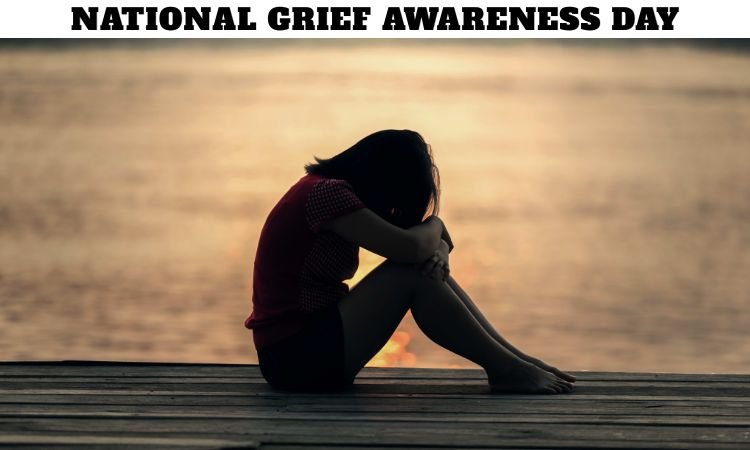
Grief is one of the few experiences that touches every human being, yet it remains one of the least discussed topics in everyday life. National Grief Awareness Day, observed each year on August 30, exists to change that. It’s a day set aside to acknowledge loss in all its forms, to break the silence that often surrounds mourning, and to remind grieving people that they are not alone. This article explores what the day means, where it came from, and how individuals, families, and communities can use it to build a healthier relationship with loss.
What Is National Grief Awareness Day?
National Grief Awareness Day is an annual observance dedicated to raising public understanding of grief and the many ways it shows up in people’s lives. It is not tied to one specific type of loss — the death of a parent, a child, a spouse, a friend, a pet, or even the loss of a relationship, a job, or a sense of identity all fall under its scope. The day encourages open conversation about mourning, pushes back against the idea that grief has a fixed timeline, and invites communities to check in on people who may be struggling quietly.
Unlike some awareness days that focus on a single cause or condition, this observance is intentionally broad. Its organizers recognize that grief is not a single emotion but a process that can include sadness, anger, guilt, relief, numbness, and even moments of laughter — sometimes all within the same hour.
When Is National Grief Awareness Day 2026?
National Grief Awareness Day is observed on August 30 every year, regardless of the day of the week it falls on. In 2026, that date lands on a Sunday, which many grief support organizations use as an opportunity to host weekend events, candlelight vigils, and online gatherings, since more people are typically free to participate.
Because the date is fixed rather than tied to a particular weekday (unlike, say, a “third Sunday of the month” observance), it’s easy to mark on a calendar year after year and build into ongoing personal or organizational traditions.
Who Founded National Grief Awareness Day and Why?
National Grief Awareness Day was founded in 2014 by author and grief educator Angie Cartwright, who created the observance after her own experiences with loss made her realize how isolating grief can feel in a culture that often expects people to “move on” quickly. Cartwright wanted a dedicated day when grieving individuals could speak openly about their pain without fear of judgment, and when society at large would be reminded to treat loss with patience rather than a deadline.
The founding motivation reflects a broader shift happening in mental health conversations generally: a push away from stigma and silence, and toward validation and community support. Grief awareness campaigns often partner with hospice organizations, funeral homes, therapists, and nonprofit grief-support groups to spread this message each August.
Why Does Grief Awareness Matter?
Grief awareness matters because unacknowledged or misunderstood grief can quietly compound suffering. Many people internalize the belief that they should be “over it” after a certain number of weeks or months, and when they aren’t, they feel ashamed or broken. In reality, grief researchers have moved away from rigid stage models and toward the understanding that mourning is nonlinear — it can resurface years later, triggered by an anniversary, a song, or an unexpected reminder.
Public awareness efforts help in several concrete ways:
- They normalize the idea that grief has no fixed expiration date.
- They encourage workplaces and schools to build more compassionate bereavement policies.
- They reduce the isolation grieving people feel when friends stop checking in after the first few weeks.
- They create openings for people to ask for help without feeling like a burden.
When a whole day is set aside for this topic, media coverage, social media conversations, and community events all spike, which means more people encounter information about grief support at a moment when they might genuinely need it.
How Does Grief Affect Us Physically and Emotionally?
Grief is often described as an emotional experience, but its effects are just as often physical. People experiencing grief commonly report:
- Fatigue or disrupted sleep patterns
- Changes in appetite
- Difficulty concentrating or “brain fog”
- Tightness in the chest or a racing heart
- Headaches or general body aches
- A weakened immune response during periods of intense stress
Emotionally, grief can bring a wide and sometimes contradictory range of feelings: sorrow, guilt, anger, relief, confusion, and even brief moments of joy or nostalgia. It’s common for people to feel guilty about experiencing anything other than sadness, but mental health professionals emphasize that this full range of emotion is a normal part of processing loss.
What Are the Different Types of Grief?
Grief isn’t limited to death, and recognizing its many forms is part of what this awareness day promotes. Some commonly discussed categories include:
- Anticipatory grief — mourning that begins before a loss actually occurs, such as when a loved one has a terminal diagnosis.
- Complicated grief — prolonged, intense mourning that interferes significantly with daily functioning over an extended period.
- Disenfranchised grief — loss that isn’t openly acknowledged or socially supported, such as the death of an ex-partner, a miscarriage, or the loss of a pet.
- Collective grief — shared mourning experienced by a community or society, often following large-scale tragedies.
- Ambiguous loss — grief connected to a loss without clear closure, such as a missing person or a loved one living with severe dementia.
Understanding these categories helps people recognize their own experiences as valid, even when the loss doesn’t fit the more traditional, widely recognized forms of bereavement.
How Can You Support Someone Who Is Grieving?
Supporting a grieving friend or family member doesn’t require perfect words — it requires consistent presence. Some approaches that grief counselors frequently recommend:
- Reach out without waiting for them to ask. Many grieving people struggle to initiate contact, even when they want company.
- Say their loved one’s name. Grieving people often appreciate hearing the name of the person they lost rather than having it avoided.
- Avoid comparisons or timelines. Phrases like “at least” or “it’s been a year, isn’t it time to move on?” tend to minimize pain rather than ease it.
- Offer specific help. “Let me know if you need anything” places the burden on the grieving person. “I’m bringing dinner Thursday, does 6pm work?” removes that burden.
- Check in on hard dates. Anniversaries, birthdays, and holidays are often the most difficult; a simple message can mean a great deal.
- Be comfortable with silence. Sometimes the most supportive thing is simply sitting with someone without trying to fix how they feel.
What Are Some Ways to Observe National Grief Awareness Day?
Individuals, families, and organizations mark the day in a variety of ways:
- Lighting a candle at a specific time to create a moment of collective remembrance
- Sharing a memory, photo, or story about a loved one on social media using awareness-day hashtags
- Attending or organizing a local vigil or support-group meeting
- Writing a letter to a lost loved one as a personal reflection exercise
- Donating to hospice care, grief counseling nonprofits, or bereavement support lines
- Workplaces reviewing and improving their bereavement leave policies
- Simply reaching out to someone known to be grieving, even years after their loss
None of these actions need to be elaborate. Often, the most meaningful observance is a quiet, personal one.
How Can You Cope With Your Own Grief?
If you are the one grieving, National Grief Awareness Day can serve as a gentle prompt to check in with yourself. Helpful coping approaches include:
- Allowing emotions to surface without judging them as “wrong” or “too much”
- Maintaining basic routines around sleep, meals, and movement, even when motivation is low
- Journaling or talking through memories with someone you trust
- Joining a grief support group, in person or online, to connect with others who understand
- Working with a licensed therapist or grief counselor, especially if daily functioning feels significantly disrupted
- Creating small rituals of remembrance, such as a yearly tradition tied to a loved one’s birthday
Grief has no single “correct” way to be processed. What matters most is finding approaches that feel sustainable and true to your own experience.
Where Can You Find Grief Support Resources?
Numerous organizations offer year-round grief support, not just around August 30. Local hospice organizations, community mental health centers, and many religious or cultural institutions often run grief support groups. National hotlines and online communities can also provide immediate connection for those who don’t have local resources readily available.
If grief ever feels overwhelming to the point of affecting your safety or well-being, reaching out to a mental health professional or a crisis line is a meaningful and courageous step, not a sign of weakness.
Frequently Asked Questions (FAQs)
1. When is National Grief Awareness Day?
National Grief Awareness Day is observed every year on August 30.
2. Who created National Grief Awareness Day?
It was founded in 2014 by author and grief educator Angie Cartwright.
3. Is National Grief Awareness Day only about death-related loss?
No. It covers all forms of loss, including the death of a loved one, pet loss, divorce, job loss, and other major life changes.
4. Why was National Grief Awareness Day created?
It was created to reduce the stigma and isolation surrounding grief and to encourage open, judgment-free conversations about loss.
5. How long does grief typically last?
There is no fixed timeline for grief. It varies widely by individual and can resurface unexpectedly years after a loss.
6. What is the difference between grief and complicated grief?
Grief is a natural response to loss, while complicated grief refers to prolonged, intense mourning that significantly interferes with a person’s ability to function in daily life.
7. How can I support a grieving friend on this day?
Reach out directly, mention their loved one by name, avoid minimizing phrases, and offer specific, concrete help rather than vague offers.
8. What are some simple ways to observe the day personally?
Lighting a candle, writing a letter to a lost loved one, sharing a memory, or donating to a grief support organization are all common ways to mark the day.
9. Can grief affect physical health?
Yes. Grief can cause fatigue, appetite changes, trouble concentrating, and increased physical stress on the body.
10. Where can someone find grief support resources?
Local hospices, community mental health centers, religious organizations, and national grief support hotlines all offer resources, many of which are available year-round.