

Why Is National Tampon Day Celebrated on May 12?
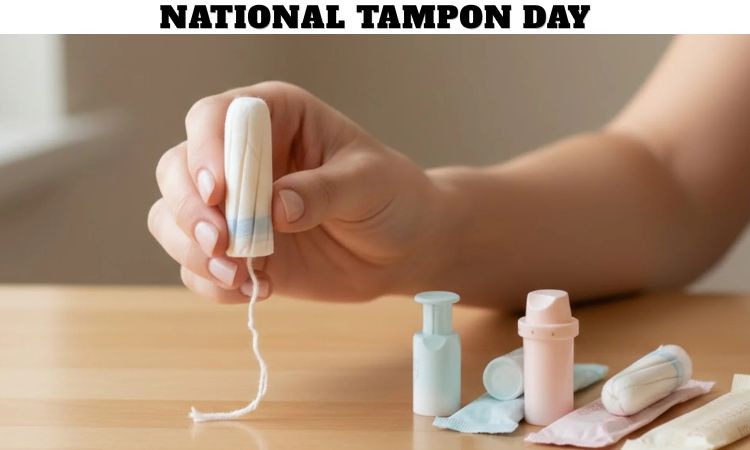
National Tampon Day, observed every year on May 12, is dedicated to raising awareness about menstrual hygiene, women’s health, and the importance of access to safe menstrual products. The day encourages open conversations about periods and helps break the stigma that still surrounds menstruation in many parts of the world.
Menstrual health is an essential part of overall well-being, yet it has historically been treated as a taboo subject. National Tampon Day promotes education, awareness, and support for individuals who menstruate while highlighting the role tampons play in providing comfort, convenience, and confidence during menstrual cycles.
The observance also draws attention to issues such as period poverty, menstrual education, and the need for affordable hygiene products in schools, workplaces, and communities.
What Is a Tampon and How Does It Work?
A tampon is a menstrual hygiene product designed to absorb menstrual flow internally during a period. It is usually made from soft absorbent materials such as cotton or rayon and is inserted into the vagina to collect menstrual blood before it leaves the body.
Tampons come in different absorbency levels, including:
- Light
- Regular
- Super
- Super Plus
The appropriate absorbency depends on the heaviness of menstrual flow. Many tampons also include applicators made from plastic or cardboard to assist with insertion.
Tampons allow individuals to continue daily activities comfortably, including exercise, swimming, traveling, and work, making them one of the most widely used menstrual products worldwide.
Why Is Menstrual Hygiene Important?
Menstrual hygiene is essential for physical health, comfort, dignity, and confidence. Proper hygiene practices help prevent infections, irritation, and other health complications associated with poor menstrual care.
Maintaining menstrual hygiene includes:
- Changing menstrual products regularly
- Washing hands before and after use
- Using clean and safe products
- Practicing proper disposal methods
- Staying informed about menstrual health
Good menstrual hygiene also supports emotional well-being by helping individuals feel comfortable and secure during their periods.
National Tampon Day highlights the importance of educating people about healthy menstrual practices and removing the shame associated with discussing periods openly.
How Have Tampons Evolved?
The history of tampons dates back centuries, although modern tampons became widely available during the twentieth century. Ancient civilizations used various absorbent materials such as wool, papyrus, and cloth for menstrual management.
The development of commercial tampons revolutionized menstrual care by offering a more convenient and discreet option. Over time, manufacturers improved tampon design, absorbency, comfort, and safety standards.
Today, tampons are available in different forms, including:
- Applicator tampons
- Non-applicator tampons
- Organic cotton tampons
- Fragrance-free products
Modern menstrual products continue evolving to meet consumer preferences for comfort, sustainability, and environmental responsibility.
Why Is Open Discussion About Periods Necessary?
Open discussions about menstruation are necessary because silence and stigma can lead to misinformation, embarrassment, and inadequate healthcare. In many cultures, periods remain misunderstood, making it difficult for people to access education and support.
Discussing menstrual health openly helps:
- Normalize periods
- Improve menstrual education
- Encourage healthy hygiene practices
- Reduce shame and discrimination
- Promote healthcare access
- Support emotional well-being
National Tampon Day encourages conversations that empower individuals to understand their bodies and make informed health decisions.
Breaking menstrual taboos also helps create supportive environments in schools, workplaces, and families.
What Is Period Poverty and Why Is It a Global Concern?
Period poverty refers to the lack of access to menstrual products, sanitation facilities, and menstrual health education. Millions of people worldwide struggle to afford tampons, pads, or other essential hygiene products.
This issue can lead to:
- Missed school days
- Workplace absences
- Health risks
- Emotional distress
- Social exclusion
In many communities, individuals are forced to use unsafe alternatives because they cannot afford proper menstrual products. Limited access to clean water and sanitation facilities further worsens the problem.
National Tampon Day also serves as an opportunity to advocate for affordable menstrual products and improved menstrual health policies worldwide.
How Can Tampons Be Used Safely?
Tampons are generally safe when used correctly. It is important to follow proper usage guidelines to maintain hygiene and reduce health risks.
Safe tampon practices include:
- Changing tampons every four to eight hours
- Using the lowest absorbency needed
- Washing hands before insertion
- Avoiding overnight overuse
- Following product instructions carefully
One important health concern associated with tampon use is Toxic Shock Syndrome (TSS), a rare but serious bacterial infection. Although uncommon, understanding safe usage practices significantly reduces the risk.
Education about tampon safety helps users feel confident and informed about menstrual care choices.
What Are the Benefits of Using Tampons?
Tampons offer several benefits that make them a preferred menstrual product for many individuals. Their internal design provides comfort, discretion, and flexibility during everyday activities.
Benefits of tampons include:
- Freedom of movement
- Ability to swim and exercise comfortably
- Discreet use under clothing
- Reduced feeling of moisture
- Availability in various absorbency options
Tampons can support active lifestyles and help users maintain regular routines during menstruation.
However, menstrual product preferences vary, and individuals may choose alternatives such as sanitary pads, menstrual cups, or reusable cloth products based on comfort and personal needs.
How Does Menstrual Education Improve Public Health?
Menstrual education plays a vital role in improving public health, especially for adolescents and young adults. Accurate information about periods helps individuals understand reproductive health, hygiene, and emotional well-being.
Comprehensive menstrual education can:
- Reduce fear and confusion
- Encourage healthy habits
- Improve confidence
- Prevent infections
- Promote gender equality
- Support school attendance
Educational programs also help challenge harmful myths and misconceptions surrounding menstruation.
National Tampon Day highlights the importance of including menstrual health education in schools and public health initiatives.
How Are Sustainable Menstrual Products Changing the Industry?
Environmental concerns have encouraged the development of sustainable menstrual products. Traditional disposable products contribute to environmental waste, leading many consumers to seek eco-friendly alternatives.
Sustainable menstrual products include:
- Organic cotton tampons
- Reusable menstrual cups
- Cloth pads
- Biodegradable menstrual products
Many manufacturers now focus on reducing plastic packaging and using environmentally responsible materials.
The growing interest in sustainable menstrual care reflects broader awareness about health, environmental responsibility, and ethical consumer choices.
How Can Society Support Menstrual Health Awareness?
Society can support menstrual health awareness by promoting education, accessibility, and open communication. Governments, schools, workplaces, and healthcare organizations all play important roles in improving menstrual health support.
Ways to support awareness include:
- Providing menstrual education
- Offering free hygiene products in schools
- Supporting healthcare access
- Encouraging public discussions
- Challenging menstrual stigma
- Advocating for workplace accommodations
Communities that prioritize menstrual health help create more inclusive and supportive environments for everyone.
National Tampon Day reminds society that menstrual health is a normal and important aspect of human health that deserves respect and attention.
What Message Does National Tampon Day Share?
National Tampon Day promotes awareness, education, dignity, and empowerment. It encourages people to recognize the importance of menstrual hygiene and support equal access to safe menstrual products.
The observance also emphasizes the need to eliminate shame surrounding menstruation and replace silence with understanding and compassion. By encouraging open conversations, society can improve menstrual health education and create healthier communities.
National Tampon Day serves as a reminder that menstrual care is not a luxury but a basic healthcare necessity that affects millions of people every day.
Frequently Asked Questions (FAQs)
1. What is National Tampon Day?
National Tampon Day is observed on May 12 to raise awareness about menstrual hygiene and menstrual health education.
2. What is a tampon used for?
A tampon is used to absorb menstrual flow internally during a person’s period.
3. Why is menstrual hygiene important?
Proper menstrual hygiene helps prevent infections, supports comfort, and promotes overall health and well-being.
4. How often should tampons be changed?
Tampons should generally be changed every four to eight hours, depending on menstrual flow.
5. What is Toxic Shock Syndrome (TSS)?
TSS is a rare but serious bacterial infection associated with improper tampon use.
6. What is period poverty?
Period poverty refers to the lack of access to menstrual products, sanitation facilities, and menstrual health education.
7. Are tampons safe to use?
Yes, tampons are safe when used according to recommended guidelines and hygiene practices.
8. What are some alternatives to tampons?
Alternatives include sanitary pads, menstrual cups, reusable cloth pads, and period underwear.
9. Why is menstrual education important?
Menstrual education helps people understand reproductive health, hygiene, and safe menstrual practices.
10. How can people support menstrual health awareness?
People can support awareness by promoting education, challenging stigma, and improving access to menstrual products.