

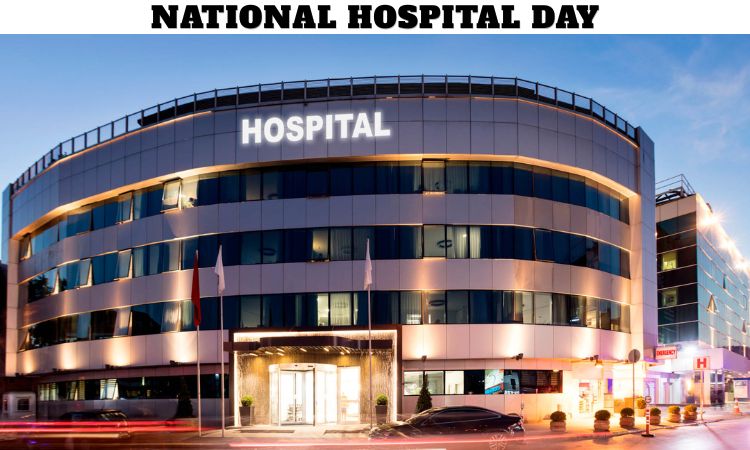
Why Is National Hospital Day Celebrated on May 12?
National Hospital Day, observed every year on May 12, honors the essential role hospitals play in protecting public health and saving lives. The day recognizes the dedication of doctors, nurses, surgeons, technicians, administrators, emergency responders, and support staff who work tirelessly to provide quality healthcare services.
Hospitals are among the most important institutions in society. They serve as centers for medical treatment, emergency care, surgeries, disease prevention, rehabilitation, and healthcare education. National Hospital Day reminds communities to appreciate the healthcare professionals and facilities that operate around the clock to care for patients.
The observance also encourages discussions about improving healthcare access, hospital infrastructure, patient safety, and medical innovation worldwide.
What Is the Importance of Hospitals in Society?
Hospitals are critical to the functioning of healthy and stable communities. They provide medical care for illnesses, injuries, childbirth, surgeries, chronic conditions, and life-threatening emergencies.
Without hospitals, societies would struggle to manage infectious diseases, accidents, public health crises, and medical emergencies effectively. Hospitals also contribute to medical research, healthcare training, and preventive health programs that improve the overall well-being of populations.
Modern hospitals offer specialized services such as:
- Emergency treatment
- Intensive care
- Diagnostic testing
- Surgical procedures
- Maternity care
- Cancer treatment
- Rehabilitation services
- Mental health support
Their role extends beyond treatment because hospitals also educate patients about disease prevention, healthy living, and long-term healthcare management.
How Have Hospitals Evolved Throughout History?
Hospitals have transformed significantly over the centuries. Early hospitals were often connected to religious institutions and focused mainly on caring for the poor, injured, and elderly.
As medical science advanced, hospitals evolved into sophisticated healthcare centers equipped with advanced technology, specialized departments, and trained medical professionals. The development of anesthesia, antibiotics, diagnostic imaging, and surgical innovations revolutionized hospital care.
Today’s hospitals use modern systems such as:
- Electronic medical records
- Robotic surgeries
- Telemedicine
- Artificial intelligence tools
- Advanced laboratory testing
- Digital monitoring systems
These advancements allow hospitals to diagnose diseases faster, improve treatment outcomes, and provide more efficient patient care than ever before.
Why Are Hospitals Essential During Emergencies?
Hospitals play a crucial role during emergencies, natural disasters, disease outbreaks, and public health crises. Emergency departments operate continuously to treat patients suffering from accidents, heart attacks, infections, and severe injuries.
During pandemics and large-scale emergencies, hospitals become the frontline defense for communities. They coordinate patient care, manage critical resources, and provide life-saving treatment under intense pressure.
Emergency preparedness in hospitals includes:
- Trauma care units
- Intensive care facilities
- Isolation wards
- Emergency surgeries
- Ambulance coordination
- Disaster response planning
Healthcare professionals working in hospitals often risk their own health and safety while caring for patients during challenging situations.
What Services Do Modern Hospitals Provide?
Modern hospitals provide a wide range of healthcare services designed to meet diverse medical needs. These services support patients from diagnosis to recovery and long-term care.
Key hospital services include:
- General medical care
- Surgical treatment
- Pediatric care
- Orthopedic treatment
- Cardiology services
- Neurology departments
- Cancer treatment centers
- Intensive care units
- Laboratory testing
- Radiology and imaging
- Physical rehabilitation
- Mental health services
Hospitals also provide preventive care through vaccination programs, wellness screenings, and public health education initiatives.
The combination of medical expertise and advanced technology enables hospitals to treat complex conditions and improve patient outcomes.
How Do Healthcare Workers Contribute to Hospital Success?
Hospitals depend on the dedication and teamwork of healthcare workers to function effectively. Doctors diagnose illnesses and perform treatments, while nurses provide continuous patient care and emotional support.
Other important professionals include:
- Pharmacists
- Laboratory technicians
- Radiologists
- Emergency responders
- Therapists
- Administrative staff
- Maintenance workers
- Security personnel
Each role contributes to patient safety and hospital efficiency. Healthcare teams collaborate to ensure patients receive accurate diagnoses, timely treatments, and compassionate care.
National Hospital Day recognizes the collective effort of these professionals who work long hours under demanding conditions to maintain healthcare services.
What Challenges Do Hospitals Face Today?
Hospitals face numerous challenges as healthcare demands continue to grow globally. Rising patient populations, limited resources, and workforce shortages place pressure on healthcare systems.
Some major challenges include:
- Overcrowding
- Staff shortages
- Financial constraints
- Rising healthcare costs
- Technological adaptation
- Disease outbreaks
- Mental health demands
- Aging populations
Hospitals also face increasing pressure to maintain high-quality care while improving efficiency and reducing medical errors.
Addressing these challenges requires investment in healthcare infrastructure, workforce development, digital systems, and public health planning.
How Has Technology Improved Hospital Care?
Technology has transformed hospital care by improving diagnosis, treatment accuracy, communication, and patient safety. Modern medical equipment allows healthcare professionals to detect diseases earlier and perform minimally invasive procedures.
Technological innovations in hospitals include:
- MRI and CT scanning
- Robotic-assisted surgery
- Telemedicine consultations
- Electronic health records
- Artificial intelligence diagnostics
- Remote patient monitoring
- Automated laboratory systems
These advancements help reduce recovery times, improve treatment outcomes, and increase healthcare accessibility for patients in remote locations.
Technology also supports hospital management by streamlining scheduling, patient tracking, and medical data organization.
Why Is Patient Safety Important in Hospitals?
Patient safety is one of the most important priorities in hospital care. Hospitals implement strict protocols to prevent infections, medication errors, surgical complications, and other healthcare risks.
Safe hospital practices include:
- Hand hygiene procedures
- Sterilization standards
- Medication monitoring
- Emergency preparedness
- Infection control systems
- Patient identification protocols
Healthcare professionals receive continuous training to maintain high standards of patient care and reduce preventable medical incidents.
Hospitals that prioritize patient safety create better healthcare experiences and build trust within communities.
How Do Hospitals Support Community Health?
Hospitals contribute significantly to community health by providing medical care, preventive services, and public health education. Many hospitals organize health awareness campaigns, free screenings, blood donation drives, and vaccination programs.
Community outreach programs help educate people about:
- Nutrition
- Disease prevention
- Maternal health
- Mental wellness
- Chronic disease management
- Healthy lifestyles
Hospitals also partner with schools, local governments, and nonprofit organizations to improve healthcare access in underserved areas.
Their role in promoting public health extends beyond hospital walls and directly impacts the well-being of entire populations.
How Is National Hospital Day Celebrated?
National Hospital Day is celebrated through appreciation events, healthcare awareness campaigns, and recognition programs for hospital workers. Communities, organizations, and healthcare institutions participate in activities that honor medical professionals and hospital services.
Common celebrations include:
- Award ceremonies
- Appreciation messages
- Educational seminars
- Health camps
- Social media campaigns
- Community outreach events
- Fundraising programs
Hospitals may also organize wellness initiatives for employees to recognize their hard work and dedication.
The day serves as a reminder to thank healthcare workers who provide essential care every day.
What Is the Future of Hospitals and Healthcare?
The future of hospitals will likely focus on innovation, digital healthcare, patient-centered care, and preventive medicine. Advances in artificial intelligence, robotics, and personalized medicine are expected to reshape healthcare delivery.
Future hospitals may include:
- Smart patient monitoring systems
- Virtual healthcare services
- Advanced robotic procedures
- AI-powered diagnostics
- Environmentally sustainable facilities
- Integrated mental health services
Healthcare systems are also expected to place greater emphasis on prevention and early intervention rather than only treating illnesses after they occur.
As medical science continues evolving, hospitals will remain central to improving human health and extending life expectancy worldwide.
What Message Does National Hospital Day Share?
National Hospital Day highlights the importance of compassion, healthcare access, and medical excellence. It reminds society that hospitals are more than buildings filled with equipment. They are centers of healing, hope, and life-saving care.
The observance encourages appreciation for healthcare professionals who dedicate their lives to helping others during illness, injury, and crisis. It also promotes awareness about the need for stronger healthcare systems capable of meeting future medical challenges.
By recognizing the value of hospitals, communities can better support healthcare workers and contribute to healthier societies for future generations.
Frequently Asked Questions (FAQs)
1. What is National Hospital Day?
National Hospital Day is observed on May 12 to recognize the importance of hospitals and healthcare workers.
2. Why is National Hospital Day celebrated?
The day honors hospitals for providing medical care, emergency treatment, and essential healthcare services.
3. What role do hospitals play in society?
Hospitals provide treatment, surgeries, emergency care, rehabilitation, and public health support.
4. Who works in hospitals besides doctors and nurses?
Hospitals also employ pharmacists, technicians, therapists, administrators, and support staff.
5. How do hospitals help during emergencies?
Hospitals provide urgent medical care, trauma treatment, and emergency response services during crises.
6. What technologies are used in modern hospitals?
Modern hospitals use technologies such as MRI scanners, robotic surgery systems, telemedicine, and electronic health records.
7. Why is patient safety important in hospitals?
Patient safety helps prevent infections, medication errors, and medical complications.
8. How do hospitals support community health?
Hospitals organize health education programs, screenings, vaccinations, and outreach initiatives.
9. What challenges do hospitals face today?
Hospitals face challenges such as overcrowding, staff shortages, rising costs, and healthcare demands.
10. How can people appreciate hospitals on National Hospital Day?
People can appreciate hospitals by thanking healthcare workers, supporting healthcare programs, and spreading awareness about healthcare services.