What Is National Foam Rolling Day, and Why Is It Celebrated on May 11?
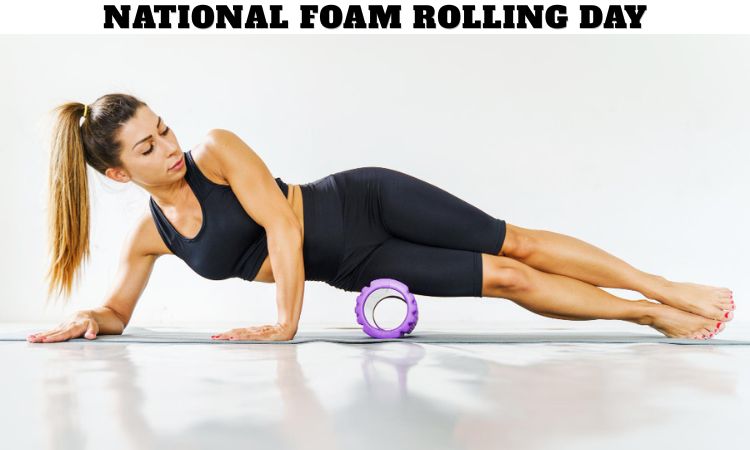
National Foam Rolling Day, observed every year on May 11, highlights the importance of recovery, mobility, muscle care, and physical wellness through the use of foam rollers. The day encourages athletes, fitness enthusiasts, physical therapists, and everyday individuals to learn about the benefits of foam rolling and incorporate it into their health routines.
Foam rolling has become one of the most popular recovery techniques in modern fitness culture. It is widely used before and after workouts to reduce muscle tightness, improve flexibility, and support better movement. National Foam Rolling Day recognizes the growing awareness surrounding recovery and self-care in physical fitness.
The observance also reminds people that exercise alone is not enough for long-term health. Proper recovery plays a critical role in preventing injuries, improving performance, and maintaining overall body function.
What Is Foam Rolling and How Does It Work?
Foam rolling is a self-myofascial release technique that uses a cylindrical foam roller to apply pressure to muscles and connective tissues. Individuals roll different parts of the body over the foam roller to relieve tension and improve muscle mobility.
The process works by targeting tight muscles and fascia, which is the connective tissue surrounding muscles. When pressure is applied through rolling, blood circulation increases, muscle stiffness decreases, and mobility improves.
Foam rolling is commonly used on areas such as:
- Calves
- Hamstrings
- Quadriceps
- Back
- Glutes
- Shoulders
- Hip flexors
This recovery method is widely used in gyms, rehabilitation centers, sports training facilities, and home fitness routines.
Why Has Foam Rolling Become So Popular?
Foam rolling has gained popularity because it is simple, affordable, and effective. Unlike expensive recovery treatments, foam rollers are accessible to most people and easy to use at home.
As awareness about injury prevention and recovery has increased, more athletes and trainers have emphasized the importance of muscle maintenance. Social media, fitness influencers, physical therapists, and sports professionals have also helped promote foam rolling techniques.
Modern lifestyles contribute to muscle tightness due to long hours of sitting, poor posture, and reduced physical movement. Foam rolling provides a practical solution for reducing stiffness and improving flexibility.
National Foam Rolling Day celebrates this growing movement toward active recovery and body care.
How Does Foam Rolling Benefit the Body?
Foam rolling offers multiple physical benefits that support both fitness performance and everyday movement.
Improves Blood Circulation
Rolling increases blood flow to muscles, which helps deliver oxygen and nutrients more efficiently throughout the body.
Reduces Muscle Tightness
Foam rolling helps release tension and stiffness caused by exercise, stress, or prolonged inactivity.
Enhances Flexibility
Regular foam rolling improves range of motion, making movements smoother and more comfortable.
Supports Faster Recovery
Many athletes use foam rolling after workouts to reduce soreness and accelerate recovery.
Helps Prevent Injuries
Flexible and relaxed muscles are less likely to experience strains and overuse injuries.
Improves Mobility
Foam rolling supports better posture and movement patterns by reducing restrictions in muscles and connective tissues.
National Foam Rolling Day emphasizes these benefits while encouraging people to prioritize recovery as part of their wellness routines.
Who Can Benefit From Foam Rolling?
Foam rolling is not limited to professional athletes. People of all ages and activity levels can benefit from incorporating it into their daily lives.
Individuals who commonly use foam rolling include:
- Runners
- Weightlifters
- Office workers
- Yoga practitioners
- Cyclists
- Dancers
- Seniors
- Physical therapy patients
Even people who do not exercise regularly may experience muscle tightness from sitting for long periods or poor posture. Foam rolling can help relieve discomfort and improve mobility in everyday activities.
National Foam Rolling Day encourages everyone to understand the importance of maintaining muscle health regardless of fitness level.
What Types of Foam Rollers Are Available?
Foam rollers come in different shapes, textures, and densities designed for various recovery needs.
Soft Foam Rollers
Soft rollers are ideal for beginners because they provide gentle pressure and greater comfort.
Firm Foam Rollers
Firm rollers apply deeper pressure and are often preferred by experienced users or athletes with dense muscle tissue.
Textured Foam Rollers
Textured rollers contain ridges or bumps that simulate massage therapy and target trigger points more intensely.
Vibrating Foam Rollers
Modern vibrating foam rollers use electronic vibration to enhance muscle relaxation and recovery.
Choosing the right roller depends on pain tolerance, experience level, and recovery goals.
How Should Beginners Start Foam Rolling?
Beginners should start slowly and focus on proper technique to avoid discomfort or injury. Foam rolling may feel slightly uncomfortable at first because pressure is being applied to tight muscles.
Helpful beginner tips include:
- Roll slowly and steadily
- Avoid rolling directly over joints
- Breathe deeply during movements
- Spend 20–30 seconds on each muscle group
- Stop if sharp pain occurs
- Use softer foam rollers initially
Consistency is important. Regular foam rolling sessions often produce better results than occasional intense sessions.
National Foam Rolling Day encourages safe and mindful recovery practices for both beginners and experienced users.
Why Is Recovery Important in Fitness?
Recovery is one of the most essential parts of physical fitness. During exercise, muscles experience stress and microscopic damage. Recovery allows the body to repair tissues, rebuild strength, and improve performance.
Without proper recovery, individuals may experience:
- Fatigue
- Muscle soreness
- Reduced performance
- Increased injury risk
- Burnout
Foam rolling has become a valuable recovery tool because it supports muscle relaxation and mobility between workouts.
National Foam Rolling Day reminds fitness enthusiasts that recovery should receive the same attention as exercise and nutrition.
How Does Foam Rolling Support Athletes?
Athletes use foam rolling to prepare muscles before activity and recover afterward. Pre-workout foam rolling helps warm up muscles and improve mobility, while post-workout rolling reduces tension and soreness.
Professional sports teams and trainers often include foam rolling in training programs because it supports flexibility and movement efficiency.
Athletes in sports such as football, basketball, running, swimming, and cycling frequently use foam rolling to maintain muscle health during intense training schedules.
The growing use of foam rolling in sports medicine has contributed significantly to the popularity of National Foam Rolling Day.
Can Foam Rolling Help Office Workers and Sedentary Individuals?
Yes, foam rolling can be especially helpful for office workers and people with sedentary lifestyles. Sitting for long periods often causes tight hips, stiff backs, poor posture, and reduced mobility.
Foam rolling helps counteract these effects by loosening tight muscles and improving circulation. Common areas targeted by office workers include:
- Lower back
- Hip flexors
- Neck
- Shoulders
- Upper back
Regular stretching combined with foam rolling may reduce discomfort caused by prolonged sitting.
National Foam Rolling Day promotes awareness about the importance of movement and recovery even for non-athletes.
What Are the Most Common Foam Rolling Mistakes?
Although foam rolling is simple, some common mistakes can reduce effectiveness or cause discomfort.
Rolling Too Quickly
Fast movements prevent muscles from relaxing properly. Slow, controlled rolling works best.
Applying Excessive Pressure
Too much pressure may increase pain or bruising. Moderate pressure is usually more effective.
Ignoring Breathing
Holding the breath increases muscle tension. Deep breathing helps muscles relax during rolling.
Rolling Over Injuries
Foam rolling should not be applied directly to acute injuries, fractures, or inflamed areas without medical advice.
Inconsistent Practice
Occasional foam rolling provides limited benefits. Regular sessions improve long-term mobility and recovery.
National Foam Rolling Day encourages proper education and safe recovery habits.
How Can People Celebrate National Foam Rolling Day?
There are many meaningful ways to celebrate National Foam Rolling Day on May 11.
People can participate by:
- Learning proper foam rolling techniques
- Purchasing a foam roller for home use
- Joining recovery workshops or fitness classes
- Sharing recovery tips with friends
- Including foam rolling in workout routines
- Watching educational fitness videos
- Encouraging healthy recovery habits in gyms and workplaces
Fitness centers, wellness communities, and physical therapists may also organize demonstrations or educational events to promote recovery awareness.
The day serves as a reminder that taking care of the body is essential for long-term health and performance.
Why Does National Foam Rolling Day Matter Today?
Modern lifestyles often involve stress, inactivity, repetitive movements, and demanding physical routines. These habits contribute to muscle tightness, discomfort, and reduced mobility.
National Foam Rolling Day matters because it promotes proactive recovery and encourages people to prioritize their physical well-being. Recovery is no longer viewed as optional but as an important part of a balanced lifestyle.
Foam rolling represents a simple yet effective tool for maintaining flexibility, reducing soreness, and improving movement quality. The observance helps spread awareness about injury prevention, mobility, and healthy living.
As fitness and wellness continue evolving, National Foam Rolling Day reminds people that caring for the body through recovery is just as important as exercise itself.
Frequently Asked Questions (FAQs)
1. When is National Foam Rolling Day celebrated?
National Foam Rolling Day is celebrated annually on May 11.
2. What is foam rolling?
Foam rolling is a self-massage technique that uses a foam roller to relieve muscle tension and improve mobility.
3. Who can benefit from foam rolling?
Athletes, office workers, seniors, fitness enthusiasts, and anyone experiencing muscle tightness can benefit from foam rolling.
4. Does foam rolling reduce muscle soreness?
Yes, foam rolling may help reduce muscle soreness and improve recovery after exercise.
5. Can beginners use foam rollers?
Yes, beginners can safely use foam rollers by starting slowly and using softer rollers.
6. How long should a foam rolling session last?
Most sessions last between 10 and 20 minutes, depending on individual needs.
7. Is foam rolling painful?
Some discomfort is normal, especially in tight muscles, but sharp pain should be avoided.
8. What muscles are commonly targeted during foam rolling?
Common areas include calves, hamstrings, quadriceps, glutes, back, and shoulders.
9. Can foam rolling improve flexibility?
Yes, regular foam rolling may improve flexibility and range of motion.
10. Why is National Foam Rolling Day important?
The day promotes recovery awareness, injury prevention, mobility, and overall physical wellness.