

Why Is International Myalgic Encephalomyelitis Awareness Day Observed on May 12?
International Myalgic Encephalomyelitis Awareness Day, observed every year on May 12, is dedicated to raising awareness about Myalgic Encephalomyelitis (ME), also commonly known as ME/CFS (Myalgic Encephalomyelitis/Chronic Fatigue Syndrome). The observance highlights the struggles faced by millions of people worldwide who live with this serious and often misunderstood illness.
The date of May 12 was chosen to honor the birthday of Florence Nightingale, the founder of modern nursing, who is believed by some historians to have experienced a chronic illness similar to ME later in her life.
This awareness day promotes understanding, medical research, early diagnosis, patient advocacy, and support for individuals affected by ME. It also challenges misconceptions surrounding invisible illnesses and encourages society to recognize the severe impact this condition can have on daily life.
What Is Myalgic Encephalomyelitis?
Myalgic Encephalomyelitis is a complex chronic illness that affects multiple systems within the body, including the nervous system, immune system, and energy production processes. The condition is characterized by extreme physical and mental exhaustion that does not improve with rest.
ME is far more serious than ordinary fatigue. Many patients experience severe limitations in mobility, concentration, and physical functioning. Even small amounts of physical or mental effort can trigger worsening symptoms, known as post-exertional malaise (PEM).
The illness can affect people of all ages, genders, and backgrounds. In severe cases, individuals may become housebound or bedridden for extended periods.
What Are the Main Symptoms of ME?
Symptoms of Myalgic Encephalomyelitis vary from person to person, but the condition often includes a combination of physical, neurological, and cognitive difficulties.
Common symptoms include:
- Persistent exhaustion
- Post-exertional malaise
- Muscle and joint pain
- Brain fog
- Memory problems
- Sleep disturbances
- Headaches
- Dizziness
- Sensitivity to light and noise
- Rapid heartbeat when standing
- Digestive issues
One of the defining symptoms of ME is the worsening of symptoms after physical or mental activity. Recovery from even minor tasks can take days or weeks.
The unpredictable nature of the illness makes it particularly difficult for patients to maintain work, education, and social relationships.
Why Is ME Often Misunderstood?
ME is often misunderstood because many symptoms are invisible and difficult to measure through standard medical testing. Patients may appear healthy externally while experiencing severe internal exhaustion and pain.
For many years, misconceptions led some people to dismiss the illness as psychological or stress-related. This misunderstanding caused delays in diagnosis, inadequate medical care, and emotional distress for patients.
Several factors contribute to misunderstanding, including:
- Lack of public awareness
- Limited medical education
- Invisible symptoms
- Symptoms overlap with other conditions
- Insufficient research funding
International Myalgic Encephalomyelitis Awareness Day works to replace misinformation with accurate knowledge and compassion.
What Causes Myalgic Encephalomyelitis?
The exact cause of ME remains unknown, but researchers believe the illness may result from a combination of biological and environmental factors.
Possible contributing factors include:
- Viral infections
- Immune system dysfunction
- Genetic predisposition
- Hormonal imbalances
- Nervous system abnormalities
- Physical trauma
- Severe stress
Many patients report developing symptoms after viral infections such as influenza, mononucleosis, or other infectious illnesses. Researchers are also studying possible connections between ME and post-viral conditions like long COVID.
Scientific understanding of ME continues to evolve as researchers investigate the underlying biological mechanisms involved.
How Does ME Affect Daily Life?
ME can significantly disrupt every aspect of daily life. Many patients struggle with activities that most people consider routine, such as walking, reading, cooking, or holding conversations.
The illness may affect:
- Employment
- Education
- Family responsibilities
- Social interactions
- Physical independence
- Emotional well-being
Because symptoms fluctuate, patients often face uncertainty about how they will feel from one day to the next. Many people with ME must carefully manage energy levels to avoid triggering symptom flare-ups.
The emotional impact of isolation, misunderstanding, and limited mobility can also contribute to mental health challenges such as anxiety and depression.
Why Is Early Diagnosis Important for ME?
Early diagnosis is important because it allows patients to begin symptom management and lifestyle adjustments sooner. Unfortunately, many individuals with ME spend years seeking answers before receiving a proper diagnosis.
There is currently no single laboratory test for ME. Doctors diagnose the condition by evaluating symptoms, medical history, and ruling out other illnesses with similar symptoms.
Early recognition can help patients:
- Avoid overexertion
- Learn energy management techniques
- Access medical support
- Reduce symptom severity
- Improve quality of life
Awareness campaigns play an important role in helping healthcare providers and the public recognize the signs of ME more effectively.
How Is Myalgic Encephalomyelitis Managed?
Although there is no known cure for ME, several management strategies may help patients reduce symptoms and improve daily functioning.
Common approaches include:
- Energy pacing
- Sleep management
- Nutritional support
- Pain management
- Stress reduction
- Gentle symptom-based therapies
Pacing is one of the most important strategies for ME patients. It involves balancing activity and rest carefully to avoid post-exertional malaise.
Treatment plans are often individualized because symptoms and severity vary greatly between patients.
Supportive healthcare professionals and understanding family members can make a significant difference in helping patients manage the illness.
Why Is Research Important for ME Awareness?
Research is essential for improving diagnosis, treatment, and understanding of Myalgic Encephalomyelitis. Despite affecting millions of people globally, ME has historically received limited scientific funding compared to many other chronic illnesses.
Research efforts focus on:
- Identifying biological markers
- Understanding immune dysfunction
- Developing effective treatments
- Improving diagnostic tools
- Investigating neurological abnormalities
Recent interest in post-viral illnesses has increased attention toward ME research. Scientists are working to uncover the biological mechanisms behind the disease and identify potential therapies.
Greater research investment offers hope for better medical care and future treatment breakthroughs.
How Is International Myalgic Encephalomyelitis Awareness Day Observed?
The awareness day is observed through educational campaigns, community events, patient advocacy efforts, and online awareness initiatives.
Common activities include:
- Awareness walks
- Educational webinars
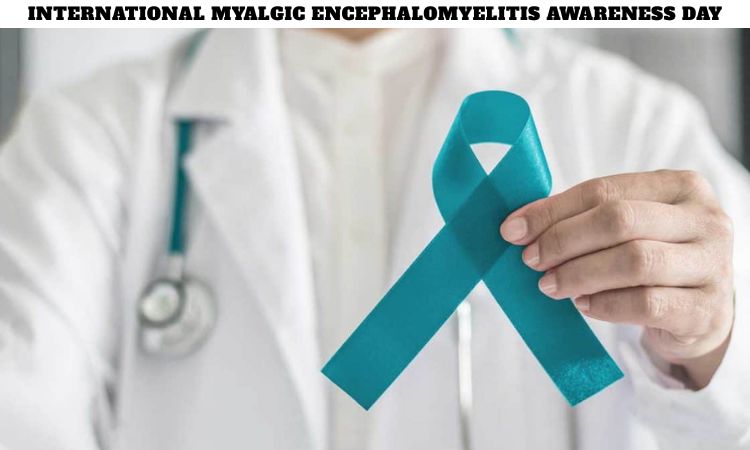
- Blue ribbon campaigns
- Social media awareness posts
- Fundraising programs
- Public discussions
- Patient storytelling initiatives
Many organizations use the day to advocate for improved healthcare services, research funding, and public understanding of ME.
Patients and supporters often share personal experiences to help others understand the realities of living with invisible chronic illnesses.
How Can Society Support People Living With ME?
Society can support people living with ME by promoting understanding, compassion, and accessibility. Because the illness is often invisible, emotional support and patience are extremely important.
Helpful ways to provide support include:
- Listening without judgment
- Respecting physical limitations
- Supporting flexible work arrangements
- Encouraging awareness and education
- Advocating for healthcare access
- Promoting disability accommodations
Friends, family members, employers, and educators can all contribute to creating more supportive environments for individuals affected by ME.
Reducing stigma and increasing awareness can significantly improve the lives of patients and caregivers.
What Message Does International Myalgic Encephalomyelitis Awareness Day Share?
International Myalgic Encephalomyelitis Awareness Day promotes empathy, scientific progress, and recognition for people living with chronic invisible illnesses. It reminds society that ME is a serious medical condition deserving attention, respect, and research investment.
The observance encourages governments, healthcare systems, and communities to work together to improve diagnosis, treatment, and support services for patients worldwide.
Most importantly, the day honors the resilience and strength of individuals living with ME as they navigate daily challenges that are often unseen by others.
Frequently Asked Questions (FAQs)
1. What is International Myalgic Encephalomyelitis Awareness Day?
It is an awareness day observed on May 12 to educate people about Myalgic Encephalomyelitis and support affected individuals.
2. What does ME stand for?
ME stands for Myalgic Encephalomyelitis.
3. Is ME the same as chronic fatigue syndrome?
ME is often referred to as ME/CFS because it shares symptoms with chronic fatigue syndrome.
4. What is the main symptom of ME?
The primary symptom is severe exhaustion that worsens after physical or mental activity.
5. What causes Myalgic Encephalomyelitis?
The exact cause is unknown, but possible factors include infections, immune dysfunction, and neurological abnormalities.
6. Can ME be cured?
There is currently no cure, but symptom management strategies can help improve quality of life.
7. Why is ME difficult to diagnose?
There is no specific laboratory test, and symptoms overlap with many other conditions.
8. What is post-exertional malaise?
Post-exertional malaise is the worsening of symptoms after physical or mental effort.
9. How can people support ME, patients?
People can support patients through understanding, advocacy, accessibility, and emotional support.
10. Why is awareness important for ME?
Awareness helps reduce stigma, improve diagnosis, increase research funding, and support affected individuals.