

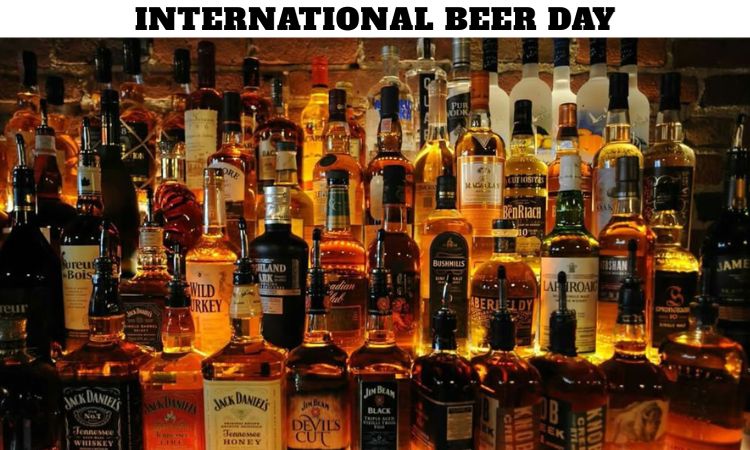
What Is International Beer Day and Why Is It Celebrated on August 8?
International Beer Day is a worldwide celebration dedicated to one of the oldest and most widely enjoyed beverages in human history. Observed every year on the first Friday of August, which falls on August 8 in some years and August 7 in others depending on the calendar, the celebration brings together beer lovers, breweries, bartenders, and communities to appreciate the culture, craftsmanship, and traditions surrounding beer. In the year when the first Friday falls on August 7, the celebration takes place on that date, while in other years it may fall on August 8. The event focuses on enjoying beer responsibly, recognizing the people who brew and serve it, and exploring different beer styles from around the world.
Beer has been an important part of civilization for thousands of years. From ancient cultures that brewed grain-based beverages to modern craft breweries experimenting with unique flavors, beer has evolved into a symbol of culture, friendship, and celebration. International Beer Day encourages people to gather with friends, visit local breweries, learn about brewing techniques, and support businesses that contribute to the beer industry. The day is equally about appreciation and education, highlighting the diversity of brewing traditions across different countries.
How Did International Beer Day Begin?
International Beer Day was first celebrated in 2007 in Santa Cruz, California. The event was created with the goal of bringing people together over a shared appreciation for beer while supporting local breweries and pubs. What started as a small local celebration quickly gained popularity because of its simple and inclusive message.
Initially, the event was celebrated on August 5 every year. However, organizers later changed the observance to the first Friday of August to make it easier for people to participate over the weekend. This adjustment encouraged greater participation and allowed bars, restaurants, breweries, and beer enthusiasts to organize larger celebrations.
Since its beginning, International Beer Day has spread across more than 80 countries. People from different cultures celebrate the occasion in unique ways, yet the central purpose remains the same: appreciating beer, thanking those who produce and serve it, and sharing the experience with friends and family.
Why Is Beer So Important in Human History?
Beer is one of the oldest alcoholic beverages known to humanity. Historical evidence suggests that people have been brewing beer for thousands of years. Ancient civilizations such as the Sumerians, Egyptians, Babylonians, and Mesopotamians developed early brewing techniques using grains like barley and wheat.
Beer played an essential role in daily life because it was often safer to drink than untreated water. It also became part of religious ceremonies, celebrations, and social gatherings. As brewing methods improved over the centuries, beer developed into an important agricultural and economic product.
During the Middle Ages, monasteries helped preserve brewing knowledge and introduced improvements in quality and consistency. Later, the Industrial Revolution transformed beer production through scientific discoveries, better sanitation, refrigeration, and commercial brewing methods. Today, beer remains one of the world’s most consumed beverages and represents a significant global industry.
How Is International Beer Day Celebrated Around the World?
International Beer Day is celebrated in many different ways depending on local traditions and cultural preferences. Breweries often organize tasting events where visitors can sample different beer styles and learn about brewing processes. Craft beer festivals attract enthusiasts interested in discovering new flavors, ingredients, and brewing techniques.
Many restaurants and pubs offer special menus featuring beer pairings with popular dishes. Friends gather to enjoy meals together while trying beverages from different regions or countries. Some people challenge themselves to taste international beers they have never experienced before, making the celebration educational as well as enjoyable.
Beer appreciation classes and brewery tours are also popular activities. These experiences help participants understand ingredients such as malt, hops, yeast, and water while learning how each element influences flavor and aroma.
In many cities, local musicians perform live entertainment during beer festivals, creating a festive atmosphere where communities come together. Charity events and fundraising activities are also organized by some breweries, adding a meaningful social purpose to the celebration.
What Are the Main Goals of International Beer Day?
International Beer Day promotes three primary objectives that have remained consistent since its creation. The first goal is encouraging people to gather with friends and enjoy beer responsibly while celebrating companionship and community. Sharing a drink has long been associated with conversation, hospitality, and strengthening relationships.
The second goal is recognizing brewers, bartenders, servers, distributors, and everyone involved in producing and serving beer. Brewing requires knowledge, creativity, precision, and dedication. International Beer Day acknowledges these professionals for preserving traditions while introducing innovation.
The third objective is exploring beers from different cultures and countries. Every region has developed unique brewing styles influenced by local ingredients, climate, and historical traditions. Trying international beers encourages cultural appreciation and broadens people’s understanding of global brewing heritage.
What Are Some Popular Beer Styles Around the World?
One of the most enjoyable aspects of International Beer Day is discovering the incredible variety of beer styles available today. Lager is among the world’s most popular styles, known for its crisp, clean, and refreshing taste. It is brewed using bottom-fermenting yeast and is widely enjoyed in many countries.
Ale represents another major beer category, typically brewed with top-fermenting yeast. Ales often have fruitier aromas and richer flavors compared to lagers. Within this category are pale ales, India pale ales (IPAs), brown ales, and amber ales.
Stouts are darker beers recognized for roasted malt flavors that may include notes of coffee, chocolate, and caramel. Porters share similar characteristics but often offer slightly lighter body and flavor profiles.
Wheat beers are brewed using a significant proportion of wheat alongside barley. They frequently display refreshing citrus notes and gentle spice characteristics, making them especially popular during warm weather.
Belgian beers are admired for their complexity and distinctive yeast flavors, while German wheat beers, Czech pilsners, Irish stouts, English bitters, and American craft IPAs each represent important brewing traditions that continue to influence modern beer culture.
How Has Craft Brewing Changed the Beer Industry?
The craft beer movement has transformed the brewing industry by encouraging innovation, creativity, and experimentation. Small independent breweries have introduced consumers to unique ingredients, seasonal recipes, barrel aging techniques, fruit infusions, and regional specialties.
Craft brewers often focus on quality, local sourcing, and traditional brewing methods while creating distinctive products that differ from mass-produced beers. This movement has inspired greater consumer interest in understanding beer ingredients, brewing science, and flavor profiles.
Many communities now support local breweries as gathering places where visitors can enjoy fresh beer while learning directly from the people who create it. Craft breweries have also contributed to tourism by attracting travelers interested in brewery tours, tasting experiences, and beer festivals.
What Foods Pair Well with Different Types of Beer?
Beer can complement a wide variety of foods when paired thoughtfully. Light lagers often pair well with seafood, grilled chicken, fresh salads, and mild cheeses because their crisp flavor does not overpower delicate dishes.
Pale ales and IPAs work well with spicy foods, grilled burgers, barbecue, and flavorful Mexican or Indian cuisine. Their hop bitterness balances rich or spicy flavors effectively.
Dark stouts pair beautifully with roasted meats, smoked dishes, chocolate desserts, coffee-flavored treats, and aged cheeses. Their roasted malt characteristics create satisfying combinations with hearty meals.
Wheat beers complement seafood, fresh fruit, light pasta dishes, and soft cheeses due to their refreshing nature and subtle citrus notes. Belgian-style beers often pair nicely with roasted poultry, creamy sauces, and gourmet cheeses.
International Beer Day gives people an opportunity to experiment with food pairings while discovering how different flavors enhance one another.
How Can You Celebrate International Beer Day Responsibly?
Responsible celebration is an essential message of International Beer Day. Those who choose to drink alcohol should do so in moderation and remain aware of their personal limits. Drinking responsibly helps ensure the occasion remains enjoyable and safe for everyone involved.
Planning transportation in advance is another important consideration. Using public transportation, rideshare services, or arranging a designated driver helps prevent impaired driving. Staying hydrated and eating balanced meals throughout the day can also contribute to responsible enjoyment.
People who do not consume alcohol can still participate by visiting breweries, learning about brewing history, enjoying alcohol-free beer options, or spending time with friends during community events. The celebration is ultimately about culture, craftsmanship, and togetherness rather than alcohol consumption alone.
What Are Some Interesting Facts About Beer?
Beer has an incredibly rich history filled with fascinating facts. Archaeological discoveries indicate that beer brewing dates back more than 5,000 years. Ancient civilizations considered brewing an essential skill and even recorded recipes on clay tablets.
Water, malted grain, hops, and yeast remain the four primary ingredients used in most traditional beers, although modern craft brewers frequently incorporate fruits, herbs, spices, coffee, honey, and other natural ingredients.
The foam on top of beer is known as the head, which helps preserve aroma and contributes to the drinking experience. Glass shape can also influence aroma, flavor perception, and presentation.
Many countries have developed protected beer styles that reflect centuries of brewing tradition. Oktoberfest in Germany is one of the world’s largest beer festivals, attracting millions of visitors annually. Meanwhile, countless local festivals celebrate regional brewing heritage throughout Europe, North America, Asia, Australia, and South America.
Beer continues to evolve as brewers combine traditional techniques with modern innovation, ensuring that every generation discovers new flavors while preserving centuries-old craftsmanship.
Why Does International Beer Day Continue to Grow in Popularity?
International Beer Day continues expanding because it celebrates more than just a beverage. It recognizes history, craftsmanship, agriculture, hospitality, community, and cultural diversity. Beer connects people through shared experiences, conversations, celebrations, and traditions that span thousands of years.
The growth of craft brewing, increased consumer curiosity, and greater appreciation for international beer styles have made the celebration more relevant than ever. Social gatherings, brewery tours, educational events, and tasting experiences encourage people to learn while enjoying the occasion responsibly.
Whether someone is an experienced beer enthusiast or simply interested in exploring brewing history, International Beer Day offers an opportunity to appreciate the dedication of brewers around the world. By celebrating responsibly and supporting local breweries, people help preserve an ancient tradition that continues to bring communities together across cultures and generations.
Frequently Asked Questions (FAQs)
1. When is International Beer Day celebrated?
International Beer Day is celebrated on the first Friday of August each year. Depending on the calendar, it may fall on August 7 or August 8.
2. Who started International Beer Day?
The celebration was founded in 2007 in Santa Cruz, California.
3. Why is International Beer Day celebrated?
It celebrates beer, recognizes brewers and servers, and encourages people to explore beers from different cultures while enjoying them responsibly.
4. Is International Beer Day celebrated worldwide?
Yes. It is celebrated in more than 80 countries through festivals, brewery events, tastings, and community gatherings.
5. What are the main goals of International Beer Day?
The goals are to bring friends together, appreciate brewing professionals, and celebrate international beer traditions.
6. Can non-drinkers participate in International Beer Day?
Yes. They can visit breweries, enjoy alcohol-free beers, learn about brewing history, or participate in community events.
7. What is the oldest known beer tradition?
Beer has been brewed for over 5,000 years, with evidence found in ancient Mesopotamian civilizations.
8. What ingredients are commonly used to make beer?
Beer is typically made from water, malted grains, hops, and yeast.
9. What is the difference between ale and lager?
Ale uses top-fermenting yeast and usually has fruitier flavors, while lager uses bottom-fermenting yeast and generally has a cleaner, crisper taste.
10. How can people celebrate International Beer Day safely?
Celebrate responsibly by drinking in moderation, staying hydrated, arranging safe transportation, and never driving under the influence.