

Why Is World No Tobacco Day Celebrated on May 31?
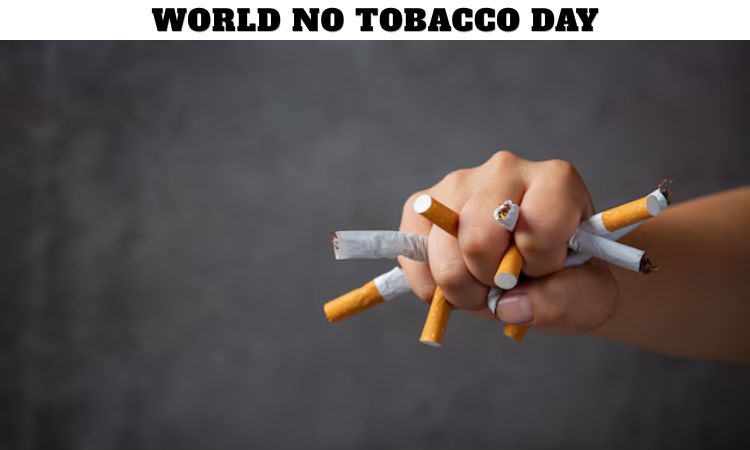
World No Tobacco Day is observed every year on May 31 to raise awareness about the harmful effects of tobacco use and to encourage people around the world to adopt healthier, tobacco-free lifestyles. This important global observance highlights the significant health, social, economic, and environmental consequences associated with tobacco consumption while promoting policies and initiatives designed to reduce tobacco use.
Millions of people across the globe are affected by tobacco-related illnesses, making tobacco use one of the leading preventable causes of disease and premature death. World No Tobacco Day serves as a powerful reminder that healthier choices can improve individual well-being, strengthen families, and create healthier communities.
The day also encourages governments, healthcare organizations, educational institutions, and community groups to work together in addressing the challenges posed by tobacco products. Through awareness campaigns, educational programs, and public health initiatives, World No Tobacco Day inspires positive action toward a future where fewer people suffer from the harmful effects of tobacco.
The observance is not only about highlighting risks but also about celebrating the progress made in reducing tobacco use and supporting individuals who are working to quit smoking and other forms of tobacco consumption.
What Is World No Tobacco Day?
World No Tobacco Day is an international health awareness observance dedicated to educating people about the dangers of tobacco and encouraging efforts to reduce its use worldwide. The day focuses on prevention, education, advocacy, and support for healthier lifestyles.
The observance brings attention to the wide-ranging effects of tobacco on individuals and societies. These effects extend beyond personal health and influence healthcare systems, economies, families, workplaces, and the environment.
Each year, public health organizations use the occasion to share information about tobacco-related issues and encourage policies that protect public health. Educational campaigns often focus on helping people understand the risks associated with tobacco use and the benefits of quitting.
World No Tobacco Day provides an opportunity for communities around the world to unite around a common goal: reducing the burden of tobacco-related harm and promoting healthier futures.
How Did World No Tobacco Day Begin?
World No Tobacco Day was established by the World Health Organization (WHO) to draw global attention to the tobacco epidemic and its consequences. The observance was created to encourage governments, health professionals, and communities to take action against tobacco-related health risks.
Since its inception, World No Tobacco Day has become one of the most recognized public health observances worldwide. Every year, campaigns focus on different themes related to tobacco control, prevention, cessation, and public awareness.
The day serves as a platform for discussing emerging challenges, sharing successful strategies, and encouraging international cooperation. Through decades of advocacy and education, World No Tobacco Day has helped increase public awareness and support efforts aimed at reducing tobacco consumption.
Its continued relevance reflects the ongoing need to address tobacco-related health concerns and protect future generations from preventable diseases.
Why Is Tobacco Use a Global Health Concern?
Tobacco use affects millions of people and remains a significant public health challenge worldwide. It is associated with numerous diseases and health complications that can impact quality of life and increase healthcare burdens.
The effects of tobacco extend beyond those who use tobacco products directly. Exposure to secondhand smoke can also affect family members, coworkers, and others who share environments with tobacco users.
Tobacco-related illnesses place considerable pressure on healthcare systems and contribute to substantial economic costs. Medical treatment, lost productivity, and long-term care requirements create challenges for individuals, families, and societies.
World No Tobacco Day highlights these concerns while encouraging prevention and education as essential tools for reducing tobacco-related harm.
How Does Tobacco Affect Human Health?
Tobacco contains numerous chemicals that can negatively affect various systems within the human body. Long-term tobacco use is associated with a wide range of health conditions that can significantly impact overall well-being.
The respiratory system is particularly vulnerable. Tobacco use can damage airways and reduce lung function over time. The cardiovascular system may also be affected, increasing the risk of heart-related health issues.
Tobacco use can influence oral health, weaken immune responses, and contribute to other chronic conditions. Additionally, exposure to tobacco smoke may affect individuals who do not use tobacco themselves.
The cumulative impact of tobacco use often increases over time, making prevention and cessation important public health priorities. World No Tobacco Day encourages individuals to learn about these risks and make informed decisions regarding their health.
Why Is Quitting Tobacco Beneficial?
One of the central messages of World No Tobacco Day is that it is never too late to stop using tobacco. Quitting offers numerous benefits that can improve both physical and mental well-being.
Many people experience improvements in breathing, circulation, energy levels, and overall health after quitting. Over time, the body begins to recover from some of the effects associated with tobacco use.
Beyond health benefits, quitting tobacco can lead to financial savings, improved quality of life, and greater peace of mind. Families often benefit from reduced exposure to secondhand smoke and improved household health.
The decision to quit may not always be easy, but support systems, healthcare professionals, and cessation resources can help individuals achieve their goals. World No Tobacco Day serves as an encouraging reminder that positive change is possible.
How Does Tobacco Affect Families and Communities?
The impact of tobacco extends far beyond individual users. Families and communities often experience social, economic, and health-related consequences associated with tobacco use.
Secondhand smoke can affect household members, including children and older adults. Family finances may also be influenced by spending on tobacco products and healthcare costs related to tobacco-related illnesses.
Communities may face increased healthcare demands and productivity losses linked to tobacco use. Educational and workplace environments can also be affected when tobacco-related health issues lead to absenteeism and reduced performance.
World No Tobacco Day emphasizes the importance of creating supportive environments that encourage healthy lifestyles and reduce exposure to tobacco-related risks.
What Role Does Education Play in Tobacco Prevention?
Education is one of the most effective tools for preventing tobacco use and promoting healthier choices. Providing accurate information helps individuals understand the risks associated with tobacco and empowers them to make informed decisions.
Schools, healthcare organizations, community groups, and public health agencies play critical roles in delivering educational programs. These initiatives often focus on helping young people recognize the dangers of tobacco before they begin using it.
Awareness campaigns can also support adults who are considering quitting or seeking assistance. By increasing knowledge and understanding, education contributes to long-term reductions in tobacco use.
World No Tobacco Day highlights the value of public awareness and reinforces the importance of continued educational efforts worldwide.
How Does Tobacco Impact the Environment?
In addition to its health effects, tobacco production and consumption can influence the environment in various ways. Cultivation, manufacturing, packaging, transportation, and disposal all contribute to environmental challenges.
Tobacco waste, including cigarette filters and packaging materials, can accumulate in public spaces, waterways, and natural habitats. Improper disposal creates pollution that may affect wildlife and ecosystems.
Agricultural practices associated with tobacco cultivation can also place demands on land and natural resources. Environmental awareness has become an increasingly important component of tobacco control discussions.
World No Tobacco Day encourages people to consider both the health and environmental implications of tobacco use and supports efforts aimed at promoting sustainability.
How Can People Participate in World No Tobacco Day?
There are many meaningful ways to observe World No Tobacco Day. Individuals can use the occasion to learn more about tobacco-related issues, share educational information, and support healthier lifestyles.
People who use tobacco may choose the day as an opportunity to begin a quit plan or seek professional guidance. Friends and family members can offer encouragement and support to loved ones who are working toward tobacco-free lives.
Schools, workplaces, healthcare organizations, and community groups often organize awareness events, educational seminars, health screenings, and public campaigns. These activities help spread important information and encourage community involvement.
Social initiatives that promote wellness, prevention, and public health align closely with the goals of World No Tobacco Day.
Why Does World No Tobacco Day Continue to Matter?
World No Tobacco Day remains important because tobacco continues to affect millions of lives around the world. While significant progress has been made in reducing tobacco use and increasing awareness, ongoing education and prevention efforts remain essential.
The observance serves as a reminder that healthier choices can have lasting positive effects on individuals, families, and communities. It encourages collaboration among governments, healthcare professionals, educators, and citizens to create environments that support health and well-being.
Every person who chooses to avoid tobacco or successfully quits contributes to a healthier future. Every awareness campaign helps educate another generation about the importance of prevention. Every supportive conversation may encourage someone to take a positive step toward better health.
On May 31, World No Tobacco Day inspires people worldwide to reflect on the value of health, the importance of prevention, and the possibility of positive change. By raising awareness and promoting tobacco-free living, this global observance helps build stronger communities and healthier futures for generations to come.
Frequently Asked Questions (FAQs)
1. When is World No Tobacco Day observed?
World No Tobacco Day is observed annually on May 31.
2. Who established World No Tobacco Day?
The observance was established by the World Health Organization (WHO).
3. What is the purpose of World No Tobacco Day?
Its purpose is to raise awareness about the harmful effects of tobacco use and promote tobacco-free lifestyles.
4. Why is tobacco considered harmful?
Tobacco use is associated with numerous health risks and can negatively affect multiple body systems.
5. Does World No Tobacco Day focus only on smokers?
No. It also addresses secondhand smoke exposure, prevention, education, and public health policies.
6. What are the benefits of quitting tobacco?
Benefits may include improved health, better quality of life, reduced health risks, and financial savings.
7. How does tobacco affect families?
Tobacco can contribute to secondhand smoke exposure, healthcare costs, and other social and economic challenges.
8. Why is education important in tobacco prevention?
Education helps people understand risks, make informed decisions, and avoid or quit tobacco use.
9. Can communities participate in World No Tobacco Day?
Yes. Schools, workplaces, healthcare organizations, and community groups often organize awareness activities and events.
10. Why is World No Tobacco Day still relevant today?
It remains relevant because tobacco continues to pose significant health, social, and environmental challenges worldwide.