

Why Is Dinosaur Day Celebrated on June 1?
Dinosaur Day, observed annually on June 1, is a special occasion dedicated to celebrating the incredible creatures that once ruled the Earth. Dinosaurs have fascinated people for generations due to their immense size, unique features, and mysterious extinction. This day encourages people of all ages to learn more about prehistoric life, scientific discoveries, and the history of our planet. Museums, schools, libraries, and science centers often organize educational activities that help bring the ancient world to life.
The celebration is not only about giant skeletons and fossil exhibits. It is also about recognizing the work of paleontologists who dedicate their lives to uncovering evidence from millions of years ago. Dinosaur Day inspires curiosity, supports science education, and reminds us how much there is still to discover about Earth’s past.
What Makes Dinosaurs So Important in Earth’s History?
Dinosaurs played a major role in shaping ecosystems for more than 165 million years. They first appeared during the Triassic Period, around 230 million years ago, and continued to dominate terrestrial environments until their extinction approximately 66 million years ago. Their long existence makes them one of the most successful groups of animals in Earth’s history.
Studying dinosaurs helps scientists understand evolution, adaptation, extinction events, and environmental change. Fossils reveal how ancient ecosystems functioned and how species interacted with one another. By examining dinosaur remains, researchers gain valuable insights into the development of life on Earth and the processes that have influenced biodiversity over millions of years.
Dinosaurs also help us understand how modern animals evolved. Birds are now recognized as direct descendants of certain dinosaur species, demonstrating that dinosaurs are not entirely extinct but continue to exist in a different form today.
How Were Dinosaurs First Discovered?
The discovery of dinosaurs began in the early nineteenth century when scientists started identifying large fossilized bones unlike those of any living animal. In 1824, the first dinosaur was scientifically described, marking the beginning of modern paleontology.
As fossil discoveries increased across Europe, North America, Asia, Africa, and other regions, scientists realized these creatures represented an entirely different group of reptiles. Excavations uncovered skeletons, footprints, eggs, and even fossilized skin impressions, helping researchers reconstruct the appearance and behavior of these prehistoric animals.
Today, technological advancements such as CT scanning, digital modeling, and advanced imaging techniques allow scientists to study fossils in unprecedented detail. These innovations continue to reveal new information about dinosaur biology and evolution.
Which Dinosaurs Are the Most Famous?
Several dinosaur species have become household names due to scientific significance and popular culture.
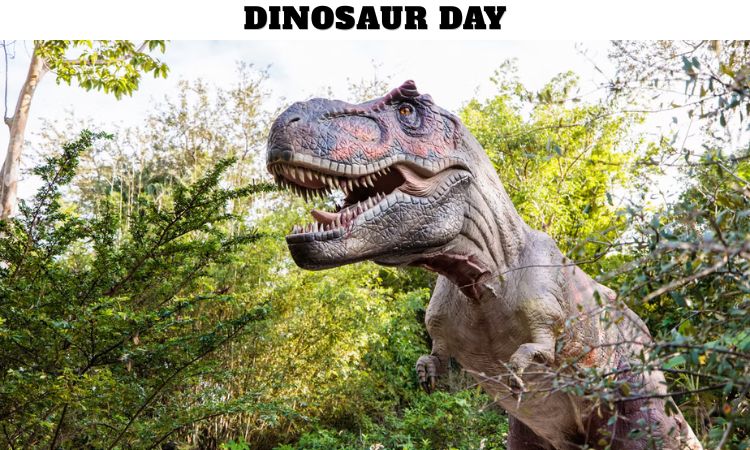
Tyrannosaurus rex remains one of the most famous dinosaurs ever discovered. Known for its massive skull, powerful bite, and intimidating appearance, T. rex is often considered the king of the dinosaurs.
Triceratops is another well-known dinosaur recognized for its large frill and three facial horns. This herbivorous species roamed North America during the Late Cretaceous Period.
Stegosaurus is famous for the large plates along its back and the spikes on its tail. Despite its fearsome appearance, it primarily fed on plants.
Brachiosaurus is admired for its enormous size and long neck, which allowed it to reach vegetation high above the ground.
Velociraptor gained widespread attention through movies, although scientific evidence suggests it was smaller and feathered compared to its fictional portrayal.
These species represent only a fraction of the thousands of dinosaurs that have been identified by researchers.
What Do Fossils Tell Us About Dinosaurs?
Fossils serve as the primary source of information about dinosaurs. Fossilized bones reveal body structure, movement patterns, growth rates, and possible health conditions. Footprints help scientists understand behavior, speed, and social interactions.
Fossilized nests and eggs provide evidence that some dinosaurs cared for their young. Bone studies suggest that many species grew rapidly and may have had higher metabolic rates than previously believed. Some fossils even preserve traces of feathers, supporting the theory that many dinosaurs shared characteristics with modern birds.
Each fossil discovery adds another piece to the puzzle of prehistoric life. Together, these findings create a more complete picture of the ecosystems that existed millions of years ago.
How Did Dinosaurs Become Extinct?
The extinction of dinosaurs remains one of the most studied events in Earth’s history. The leading scientific theory attributes their disappearance to a massive asteroid impact approximately 66 million years ago.
The impact likely released enormous amounts of energy, causing global wildfires, earthquakes, and tsunamis. Dust and debris thrown into the atmosphere blocked sunlight, disrupting photosynthesis and causing dramatic climate changes. These environmental effects led to the collapse of food chains and the extinction of many species.
Some scientists also suggest that intense volcanic activity contributed to environmental stress during this period. While non-avian dinosaurs disappeared, birds survived and evolved, preserving a direct evolutionary connection to the dinosaur age.
Why Are Dinosaurs Still Popular Today?
Dinosaurs continue to capture public imagination because they combine mystery, science, and adventure. Their enormous size and unusual appearance make them unlike any animals living today. New discoveries frequently generate excitement because they reveal previously unknown species and behaviors.
Books, documentaries, museums, educational programs, and films have helped maintain widespread interest in dinosaurs. Children often develop a fascination with dinosaurs at an early age, making them a powerful gateway to learning about science, history, and nature.
The ongoing discovery of fossils ensures that dinosaurs remain a dynamic area of research. Every new finding has the potential to reshape our understanding of prehistoric life.
How Can Families and Schools Celebrate Dinosaur Day?
Dinosaur Day offers numerous educational and recreational opportunities. Schools can organize lessons focused on paleontology, geology, and natural history. Students may participate in fossil excavation simulations, dinosaur-themed art projects, and educational presentations.
Families can visit museums featuring dinosaur exhibits, watch documentaries, or read books about prehistoric life. Creating dinosaur crafts, building fossil models, and participating in scavenger hunts can make learning engaging and enjoyable.
Libraries often host storytelling sessions and educational workshops related to dinosaurs. Community centers may organize science events that encourage hands-on exploration of prehistoric topics.
These activities help foster curiosity and encourage lifelong learning about Earth’s history.
What Are Some Amazing Dinosaur Facts?
- Dinosaurs lived on every continent, including Antarctica.
- The smallest dinosaurs were approximately the size of modern birds.
- Some of the largest dinosaurs weighed more than seventy tons.
- Many dinosaurs likely had feathers rather than scales alone.
- Scientists discover new dinosaur species nearly every year.
- The word “dinosaur” means “terrible lizard,” although dinosaurs are distinct from modern lizards.
- Certain dinosaurs traveled in groups for protection and social interaction.
- Some species possessed sophisticated sensory abilities that helped them survive.
- Birds evolved from a group of meat-eating dinosaurs.
- The fossil record continues to expand as researchers uncover new specimens around the world.
How Does Dinosaur Day Inspire Future Generations?
Dinosaur Day encourages people to explore science, ask questions, and appreciate the natural world. The study of dinosaurs demonstrates how evidence-based research can reveal stories hidden beneath layers of rock for millions of years.
For students, dinosaurs often provide an introduction to biology, geology, and environmental science. For adults, they serve as a reminder of Earth’s remarkable history and the importance of preserving scientific knowledge.
As fossil discoveries continue and technology advances, our understanding of dinosaurs becomes increasingly detailed. Dinosaur Day celebrates both the ancient creatures that once dominated the planet and the scientific achievements that allow us to learn about them today.
By observing Dinosaur Day on June 1, we honor the curiosity, exploration, and discovery that drive scientific progress. The legacy of dinosaurs remains one of the most fascinating chapters in Earth’s history, inspiring generations to look deeper into the past and imagine the possibilities that future discoveries may reveal.
Frequently Asked Questions (FAQs)
1. When is Dinosaur Day celebrated?
Dinosaur Day is celebrated annually on June 1.
2. What is Dinosaur Day?
It is a day dedicated to learning about dinosaurs, fossils, paleontology, and prehistoric life.
3. Why are dinosaurs important?
Dinosaurs help scientists understand evolution, ecosystems, extinction events, and Earth’s history.
4. How long did dinosaurs live on Earth?
Dinosaurs existed for more than 165 million years.
5. What caused dinosaur extinction?
The most widely accepted theory is that a massive asteroid impact caused environmental changes leading to extinction.
6. Are birds related to dinosaurs?
Yes, birds are considered direct descendants of certain dinosaur species.
7. What is the most famous dinosaur?
Tyrannosaurus rex is widely regarded as the most famous dinosaur.
8. How do scientists learn about dinosaurs?
Scientists study fossils, footprints, eggs, bones, and geological evidence.
9. Are new dinosaurs still being discovered?
Yes, researchers continue to discover and identify new dinosaur species regularly.
10. How can people celebrate Dinosaur Day?
People can visit museums, watch documentaries, read books, participate in educational activities, and learn about prehistoric life.