

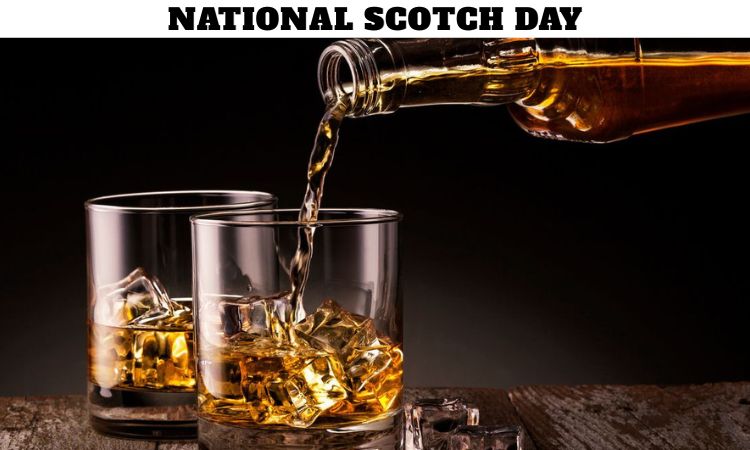
What Is National Scotch Day and Why Is It Celebrated on July 27?
National Scotch Day, observed every year on July 27, is a celebration dedicated to one of the world’s most iconic and respected spirits—Scotch whisky. This special day honors the rich traditions, craftsmanship, and cultural heritage behind Scotland’s famous whisky industry. Whether enjoyed neat, on the rocks, or in a classic cocktail, Scotch has earned global recognition for its exceptional quality, distinctive flavors, and centuries-old production methods.
National Scotch Day provides enthusiasts and newcomers alike with an opportunity to appreciate the remarkable journey of Scotch whisky from Scottish distilleries to glasses around the world. The occasion also encourages people to learn about the history, aging process, regional variations, and responsible enjoyment of this celebrated spirit.
Unlike many modern observances, National Scotch Day is less about commercial promotion and more about recognizing the artistry and dedication involved in producing authentic Scotch whisky. Distilleries, bars, restaurants, and whisky lovers celebrate by hosting tastings, educational events, distillery tours, and themed gatherings.
How Did National Scotch Day Begin?
The exact origins of National Scotch Day remain uncertain, but the celebration gained popularity through whisky enthusiasts, hospitality businesses, and beverage organizations that wanted to honor Scotland’s most famous export.
Scotch whisky itself has a much longer and fascinating history. Historical records suggest that distillation in Scotland dates back to the late 15th century. The earliest known written reference to Scotch whisky appears in the Exchequer Rolls of Scotland in 1494, documenting malt supplied to Friar John Cor for making “aqua vitae,” meaning “water of life.”
Over centuries, Scotch production evolved from small-scale monastery operations into one of the world’s most respected industries. Strict production regulations, traditional methods, and geographical protection have helped preserve the authenticity of Scotch whisky.
Today, National Scotch Day recognizes not only the beverage itself but also the generations of Scottish distillers who have perfected the craft.
What Makes Scotch Whisky Different from Other Whiskies?
One of the most distinctive features of Scotch whisky is that it must meet strict legal standards established by Scottish law.
Authentic Scotch whisky must be distilled and matured entirely in Scotland. It must be produced using water, malted barley, yeast, and other approved grains depending on the style. The spirit must mature in oak casks for a minimum of three years, although many premium varieties age much longer.
Unlike many other whiskies, Scotch develops unique flavor profiles influenced by Scotland’s climate, local water sources, peat levels, and traditional distillation techniques.
Every bottle labeled “Scotch” represents a carefully controlled production process that protects its international reputation and quality.
What Are the Different Types of Scotch Whisky?
Scotch whisky comes in several major categories, each offering unique characteristics.
- Single Malt Scotch is produced entirely from malted barley at one distillery using pot stills. It is often appreciated for its complex flavors and regional character.
- Single Grain Scotch is produced at one distillery but may include grains other than malted barley.
- Blended Malt Scotch combines single malts from multiple distilleries to create balanced flavor profiles.
- Blended Grain Scotch mixes grain whiskies from different producers.
- Blended Scotch Whisky, the most widely consumed category worldwide, combines both malt and grain whiskies to achieve consistency and smoothness.
- Each category showcases the remarkable diversity found within Scotch production.
How Is Scotch Whisky Made?
The creation of Scotch whisky follows a carefully controlled process that has remained largely unchanged for centuries.
The journey begins with malting, where barley is soaked, germinated, and dried. Some producers use peat smoke during drying, creating the smoky flavors found in certain Scotch varieties.
Next comes mashing, where the malt is mixed with hot water to extract fermentable sugars.
The resulting liquid undergoes fermentation after yeast is added, producing alcohol.
The fermented liquid is then distilled, usually twice in copper pot stills for single malts. Distillation removes impurities while concentrating flavors.
Finally, the spirit enters oak casks, where it matures for at least three years. During aging, the whisky develops color, aroma, complexity, and smoothness through interaction with the wood.
After maturation, master blenders or distillers determine the final composition before bottling.
Why Is Scotland Famous for Scotch Whisky?
Scotland’s natural environment plays a significant role in creating exceptional whisky.
The country’s cool climate allows slow maturation, producing refined and balanced flavors. Pure water sources from rivers, springs, and mountains contribute to consistency and quality.
Centuries of experience have allowed Scottish distillers to perfect production methods while maintaining traditional craftsmanship. The combination of natural resources, skilled expertise, and legal protections has helped establish Scotland as the global home of premium whisky.
Today, Scotch whisky remains one of Scotland’s most valuable exports, reaching consumers in hundreds of countries worldwide.
What Are Scotland’s Major Whisky Regions?
- Scotland features several famous whisky-producing regions, each known for distinctive styles.
- The Highlands produce a broad variety of whiskies ranging from light floral expressions to rich, full-bodied spirits.
- Speyside is home to the highest concentration of distilleries and is famous for elegant, fruity, and sweet whiskies.
- Islay produces intensely smoky, peaty whiskies that are beloved by enthusiasts seeking bold flavors.
- The Lowlands are known for lighter and softer whiskies with gentle floral characteristics.
- Campbeltown, once the whisky capital of Scotland, produces distinctive maritime-style whiskies with complex flavor profiles.
- The Islands, although not officially recognized as a separate region, create whiskies with unique coastal influences.
- Each region contributes its own identity to Scotland’s remarkable whisky tradition.
How Can We Celebrate National Scotch Day?
National Scotch Day offers countless ways to appreciate this historic beverage responsibly.
Many people celebrate by visiting local whisky tastings where experts explain production techniques, flavor notes, and food pairings. Others enjoy sampling different regional Scotch varieties to understand how geography influences taste.
Hosting a Scotch-themed dinner allows guests to experience carefully selected food pairings that complement different whiskies. Cheese, smoked salmon, grilled meats, dark chocolate, and roasted nuts often pair exceptionally well.
Reading about Scotch history, watching documentaries about Scottish distilleries, or learning proper tasting techniques can also make the celebration educational and enjoyable.
For those traveling in Scotland, touring historic distilleries provides an unforgettable experience filled with tradition and craftsmanship.
Responsible enjoyment remains the foundation of every National Scotch Day celebration.
What Are Some Interesting Facts About Scotch Whisky?
- Scotch whisky is surrounded by fascinating history and remarkable achievements.
- The earliest documented record of Scotch production dates back to 1494.
- Every authentic Scotch whisky must be matured in Scotland for a minimum of three years.
- Many premium Scotch whiskies are aged for 12, 18, 21, or even 30 years, developing increasingly complex flavor profiles.
- Oak barrels previously used for bourbon, sherry, wine, or port often contribute unique aromas and flavors during maturation.
- Scotland has well over 100 active distilleries, each contributing its own distinctive character.
- Scotch whisky exports generate billions of pounds annually and remain one of Scotland’s most important international industries.
- Every bottle reflects generations of tradition, craftsmanship, and careful attention to detail.
Why Does National Scotch Day Continue to Grow in Popularity?
The growing appreciation for premium spirits has introduced many consumers to the world of Scotch whisky. People increasingly seek authentic products with rich histories, traditional production methods, and distinctive regional identities.
Whisky festivals, tasting clubs, online education, and tourism have expanded public knowledge, making Scotch more accessible than ever before.
Collectors also value rare and limited-edition bottles, while casual enthusiasts enjoy discovering new expressions and flavor profiles.
National Scotch Day serves as an annual reminder of the craftsmanship behind every bottle and the enduring cultural significance of Scotland’s most famous spirit.
National Scotch Day on July 27 celebrates far more than a world-famous whisky. It honors centuries of Scottish craftsmanship, dedication, innovation, and tradition that have shaped one of the most respected spirits on Earth. From historic distilleries and unique regional styles to carefully aged single malts and balanced blends, Scotch whisky represents quality, heritage, and excellence. Whether exploring its remarkable history, learning about the production process, visiting a distillery, or enjoying a responsibly served glass with friends, National Scotch Day provides the perfect opportunity to appreciate the enduring legacy of authentic Scotch whisky.
Frequently Asked Questions (FAQs)
1. When is National Scotch Day celebrated?
National Scotch Day is celebrated every year on July 27.
2. What is Scotch whisky?
Scotch whisky is a distilled spirit produced and matured exclusively in Scotland according to strict legal regulations.
3. How long must Scotch whisky be aged?
Authentic Scotch whisky must mature in oak casks for a minimum of three years.
4. What is the difference between single malt and blended Scotch?
Single malt comes from one distillery using only malted barley, while blended Scotch combines malt and grain whiskies from multiple distilleries.
5. Why is Scotland famous for whisky?
Scotland’s climate, natural resources, skilled craftsmanship, and centuries of tradition have made it the world’s leading producer of premium Scotch whisky.
6. What are the main Scotch whisky regions?
The major regions include Highlands, Speyside, Islay, Lowlands, Campbeltown, and the Islands.
7. Can Scotch whisky only be made in Scotland?
Yes. Only whisky produced and matured in Scotland under official regulations can legally be called Scotch whisky.
8. How should Scotch whisky be enjoyed?
Many people enjoy it neat, with a few drops of water, over ice, or in classic whisky cocktails, depending on personal preference.
9. Why is National Scotch Day important?
The day recognizes Scotland’s whisky heritage, celebrates traditional craftsmanship, and encourages responsible appreciation of Scotch whisky.
10. What foods pair well with Scotch whisky?
Cheese, smoked salmon, grilled meats, dark chocolate, roasted nuts, and dried fruits are popular pairings with various Scotch styles.