

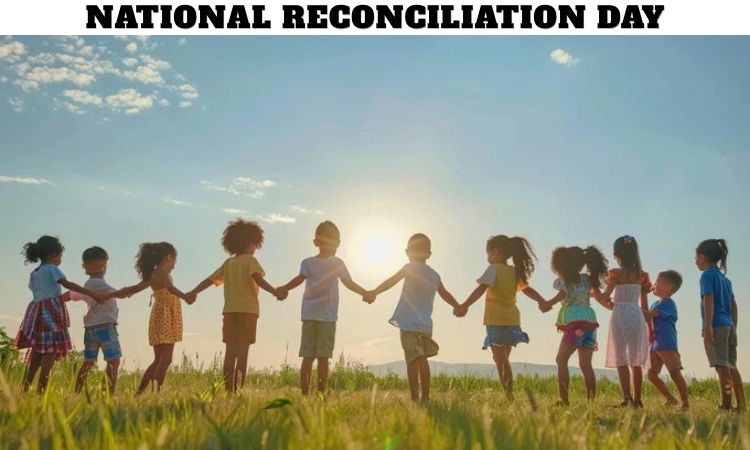
What Is National Reconciliation Day, and Why Is It Observed on April 2?
National Reconciliation Day, observed on April 2, is a meaningful occasion dedicated to promoting forgiveness, healing, and unity among individuals, communities, and nations. It is a day that encourages reflection on past conflicts, misunderstandings, and divisions while inspiring efforts to rebuild relationships through empathy and dialogue.
We recognize National Reconciliation Day as an opportunity to focus on restoring trust, strengthening bonds, and fostering peace. In a world often marked by differences and disagreements, this observance highlights the importance of coming together to resolve conflicts constructively.
What Does Reconciliation Mean in a Social and Personal Context?
Reconciliation refers to the process of restoring harmony and understanding after conflict or disagreement. It involves acknowledging differences, addressing grievances, and working toward mutual respect.
We understand reconciliation to include:
- Forgiveness of past mistakes
- Open and honest communication
- Acceptance of diverse perspectives
- Commitment to rebuilding relationships
Whether on a personal level or within larger communities, reconciliation is essential for sustainable peace.
Why Is National Reconciliation Day Important in Today’s World?
In today’s interconnected society, conflicts can arise from cultural, political, or personal differences. National Reconciliation Day serves as a reminder of the need to address these issues constructively.
We emphasize its importance because:
- It promotes peaceful coexistence
- It reduces tension and hostility
- It encourages understanding and cooperation
By focusing on reconciliation, individuals and communities can create a more inclusive and harmonious environment.
How Did the Concept of Reconciliation Become a Global Priority?
Reconciliation has gained global significance through efforts to address historical injustices and conflicts. Organizations like the United Nations have emphasized reconciliation as a key component of peacebuilding.
We note that:
- Post-conflict societies often prioritize reconciliation to rebuild trust
- Truth and reconciliation commissions have been established in various countries
- Global initiatives promote dialogue and conflict resolution
These efforts highlight the importance of reconciliation in achieving long-term stability.
How Is National Reconciliation Day Observed?
National Reconciliation Day is observed through activities that encourage reflection, dialogue, and healing.
Community Discussions
People engage in conversations about conflict resolution and understanding.
Educational Programs
Schools and institutions teach the importance of empathy and forgiveness.
Personal Reflection
Individuals take time to reflect on their relationships and seek to resolve conflicts.
Cultural and Social Events
Events are organized to promote unity and shared values.
We see these activities as essential in fostering meaningful change.
What Role Does Forgiveness Play in Reconciliation?
Forgiveness is a cornerstone of reconciliation. It allows individuals to move beyond resentment and rebuild trust.
We recognize that forgiveness:
- Reduces emotional burden
- Encourages healing and closure
- Strengthens relationships
While forgiveness can be challenging, it is a powerful step toward reconciliation.
How Can Individuals Practice Reconciliation in Daily Life?
Reconciliation is not limited to large-scale conflicts; it can be practiced in everyday interactions.
We suggest:
- Communicating openly and honestly
- Listening with empathy
- Acknowledging mistakes and apologizing
- Seeking common ground
These actions contribute to healthier relationships and a more सकारात्मक social environment.
What Are the Challenges of Achieving Reconciliation?
Reconciliation can be complex and requires effort from all parties involved.
We identify common challenges:
- Deep-rooted mistrust
- Emotional pain and trauma
- Differences in perspectives
- Lack of communication
Overcoming these challenges requires patience, understanding, and commitment.
How Does Reconciliation Strengthen Communities?
Reconciliation plays a vital role in building strong and resilient communities.
We observe that:
- It promotes social cohesion
- It reduces conflict and division
- It encourages collaboration and mutual support
Communities that embrace reconciliation are better equipped to להתמודד challenges and thrive.
What Is the Role of Education in Promoting Reconciliation?
Education is a powerful tool for fostering reconciliation and understanding.
We emphasize that:
- Schools can teach conflict resolution skills
- Educational programs can promote empathy and respect
- Awareness campaigns can address misconceptions
By educating individuals, society can build a foundation for lasting peace.
Why Should We Celebrate National Reconciliation Day?
Celebrating National Reconciliation Day is essential because it encourages individuals to prioritize peace, understanding, and unity.
We believe it is important because:
- It highlights the value of resolving conflicts
- It promotes emotional and social well-being
- It inspires positive change in relationships
This observance serves as a reminder that reconciliation is a continuous and necessary process.
Frequently Asked Questions (FAQs)
1. What is National Reconciliation Day?
It is a day dedicated to promoting forgiveness, healing, and unity.
2. When is National Reconciliation Day observed?
It is observed annually on April 2.
3. What does reconciliation mean?
It means restoring harmony and understanding after conflict.
4. Why is reconciliation important?
It helps resolve conflicts and build stronger relationships.
5. How can individuals practice reconciliation?
By communicating openly, listening empathetically, and forgiving others.
6. What role does forgiveness play in reconciliation?
Forgiveness helps heal emotional wounds and rebuild trust.
7. Are there global efforts for reconciliation?
Yes, organizations like the United Nations promote reconciliation initiatives.
8. What challenges exist in reconciliation?
Challenges include mistrust, emotional pain, and lack of communication.
9. How does reconciliation benefit communities?
It promotes unity, reduces conflict, and strengthens social bonds.
10. Why should we observe National Reconciliation Day?
To encourage peace, understanding, and positive relationships.