

What Is National Taffy Day and Why Is It Celebrated on May 23?
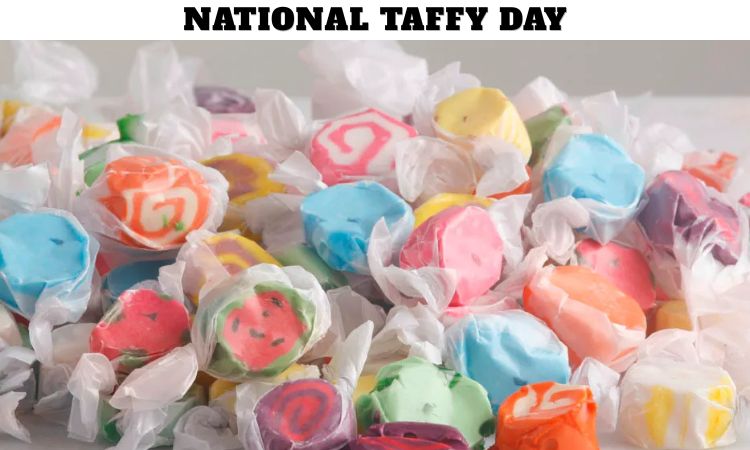
National Taffy Day, celebrated every year on May 23, honors one of the most iconic and chewy candies enjoyed by generations. Taffy is a soft, stretchy candy created by boiling sugar, butter, and flavorings before pulling the mixture repeatedly to achieve its signature texture. The holiday recognizes the popularity of this classic confection and the nostalgic memories associated with candy shops, boardwalks, fairs, and family treats.
Taffy has remained a beloved candy because of its unique consistency, colorful appearance, and endless flavor possibilities. From traditional vanilla and peppermint to fruit-inspired varieties, taffy continues to attract candy lovers of all ages.
National Taffy Day is also a celebration of candy-making craftsmanship. The process of pulling and stretching taffy has long been considered both an art and a form of entertainment, especially in old-fashioned candy stores and seaside towns.
How Did Taffy Become So Popular?
Taffy gained widespread popularity in the United States during the late nineteenth century, especially in coastal resort towns and amusement areas. Candy makers discovered that pulling cooked sugar mixtures created a light, airy texture that made the candy softer and easier to chew.
One of the biggest reasons for taffy’s popularity was its affordability and portability. Visitors to beaches and boardwalks could easily purchase wrapped taffy as a sweet snack or souvenir. Over time, taffy became closely associated with vacations, carnivals, and summer celebrations.
The candy also gained attention because of public candy-pulling demonstrations. Watching candy makers stretch and pull long ropes of colorful taffy fascinated customers and turned candy stores into tourist attractions.
Even today, many people connect taffy with nostalgia, family trips, and traditional candy experiences.
What Is Salt Water Taffy and Why Is It Famous?
Salt water taffy is one of the most recognizable forms of taffy candy. Despite the name, the candy does not usually contain seawater. Instead, the term became popular because of its association with beachside resorts and coastal candy shops.
Salt water taffy became especially famous in Atlantic City, New Jersey, during the late nineteenth century. According to popular stories, flooding from ocean water damaged candy supplies in one store, leading to the humorous phrase “salt water taffy.” The name stuck and eventually became a marketing success.
Salt water taffy is known for its soft texture, individually wrapped pieces, and wide range of flavors. It remains a classic souvenir in many seaside destinations across the United States.
Popular flavors include:
- Vanilla
- Strawberry
- Banana
- Peppermint
- Chocolate
- Watermelon
- Licorice
- Cotton candy
- Blue raspberry
- Maple
The candy’s colorful appearance and chewy consistency continue to make it a favorite among children and adults alike.
How Is Taffy Made?
Taffy-making is both a science and an art. The process begins by heating sugar, corn syrup, butter, water, and flavorings to high temperatures until the mixture reaches the correct consistency.
Once cooked, the candy is cooled slightly and then pulled repeatedly. Pulling introduces air into the mixture, giving taffy its lighter texture and glossy appearance. Traditionally, candy makers stretched the taffy by hand, although modern machines now automate much of the process.
After pulling, the taffy is rolled into long ropes, cut into bite-sized pieces, and individually wrapped.
The pulling process is one of the most important steps because it determines the candy’s final texture. Properly pulled taffy becomes soft, chewy, and easy to bite without becoming overly hard or sticky.
Why Do People Love Taffy So Much?
Taffy remains popular because it combines flavor, texture, and nostalgia in a unique way. Unlike hard candies or chocolates, taffy offers a chewy experience that lasts longer and provides a satisfying consistency.
Many people also appreciate the enormous variety of flavors available. Candy makers constantly experiment with creative combinations, making taffy exciting for adventurous candy lovers.
Taffy also creates emotional connections to childhood memories, beach vacations, amusement parks, and holiday celebrations. The candy’s colorful wrapping and playful appearance add to its charm.
Another reason for its popularity is its shareable nature. Taffy is commonly sold in assortments, allowing families and friends to sample multiple flavors together.
What Are Some Interesting Facts About Taffy?
Taffy has a long and fascinating history filled with unusual stories and candy traditions.
Interesting facts about taffy include:
- Taffy-pulling parties were popular social events in the nineteenth century.
- Early candy makers often pulled taffy by hand using hooks attached to walls.
- Salt water taffy became strongly linked with American boardwalk culture.
- Some taffy flavors are inspired by desserts and beverages.
- Taffy machines are still displayed in many old-fashioned candy stores.
- The candy’s chewy texture comes from aeration during pulling.
- Taffy is often packaged in colorful wax paper wrappers.
These traditions continue to make taffy one of the most recognizable old-fashioned candies in the world.
How Is National Taffy Day Celebrated?
National Taffy Day is celebrated through candy tastings, homemade taffy recipes, candy shop visits, and nostalgic family activities. Candy lovers often use the day to try new flavors or revisit classic favorites.
Popular celebration ideas include:
- Visiting a traditional candy store
- Sampling different taffy flavors
- Making homemade taffy
- Hosting candy-themed parties
- Sharing taffy with family and friends
- Watching taffy-pulling demonstrations
- Creating candy gift baskets
- Learning about candy-making history
Many candy shops and confectionery businesses also promote special discounts and seasonal taffy collections during the celebration.
The holiday encourages people to appreciate both the craftsmanship and cultural significance of old-fashioned candy traditions.
What Makes Taffy Different From Other Candies?
Taffy stands apart from other candies because of its unique preparation method and chewy consistency. Unlike brittle candies or chocolates, taffy relies heavily on the pulling process to create its texture.
The candy’s elasticity and softness make it instantly recognizable. Taffy is also more flexible in flavor development compared to many traditional sweets.
Another distinguishing feature is the visual appeal. Bright colors, twisted shapes, and wrapped pieces make taffy highly attractive in candy displays.
The interactive nature of taffy-making also contributes to its uniqueness. Watching candy makers pull, stretch, and shape the candy adds entertainment value that many other confectionery products lack.
Why Does National Taffy Day Continue to Matter Today?
National Taffy Day remains important because it preserves traditional candy-making culture and celebrates a timeless confection enjoyed across generations. In an era dominated by modern snacks and mass-produced treats, taffy continues to represent nostalgia, craftsmanship, and simple enjoyment.
The holiday also highlights small candy businesses and historic confectionery shops that continue producing handmade taffy using traditional methods. These businesses help preserve culinary heritage and community traditions.
For many people, taffy represents more than candy. It symbolizes vacations, celebrations, childhood memories, and moments shared with family and friends.
National Taffy Day reminds us that classic treats still have the power to create happiness and lasting memories.
How Has Taffy Influenced Candy Culture Over the Years?
Taffy has played an important role in shaping American candy culture. Its popularity helped establish boardwalk candy stores, amusement park sweets, and specialty confectionery shops across the country.
The candy’s success also inspired innovations in flavor experimentation and candy presentation. Taffy demonstrated that candy could be both delicious and visually entertaining.
Over time, taffy became associated with hospitality and tourism. Visitors often purchased boxes of taffy as souvenirs, helping local candy businesses thrive in coastal communities.
Today, taffy continues to influence candy-making trends and remains a symbol of traditional confectionery craftsmanship.
Frequently Asked Questions (FAQs)
1. When is National Taffy Day celebrated?
National Taffy Day is celebrated every year on May 23.
2. What is taffy made from?
Taffy is typically made from sugar, butter, corn syrup, water, flavorings, and coloring.
3. Why is it called salt water taffy?
The name became popular because of the candy’s connection to seaside resorts and coastal candy shops.
4. Does salt water taffy contain seawater?
Most modern salt water taffy does not contain actual seawater.
5. What gives taffy its chewy texture?
The pulling process introduces air into the candy, creating its soft and chewy consistency.
6. Where did salt water taffy become famous?
Salt water taffy became especially famous in Atlantic City, New Jersey.
7. What are the most popular taffy flavors?
Popular flavors include vanilla, strawberry, peppermint, banana, chocolate, and watermelon.
8. Can people make taffy at home?
Yes, homemade taffy recipes are popular and often used during celebrations and family activities.
9. Why is taffy associated with beaches and boardwalks?
Taffy became popular in seaside resort towns where candy shops sold it as a vacation treat and souvenir.
10. Why is National Taffy Day important?
The holiday celebrates traditional candy-making, nostalgia, and the lasting popularity of classic taffy candy.