

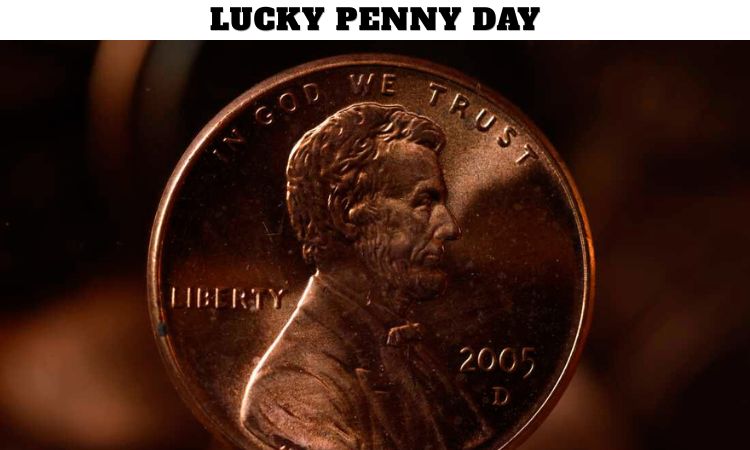
What Is Lucky Penny Day and Why Is It Celebrated on May 23?
Lucky Penny Day, celebrated every year on May 23, honors one of the most familiar symbols of luck and prosperity: the humble penny. Across generations, people have believed that finding a penny on the ground brings good fortune, especially if the coin is discovered heads-up. This simple superstition has become part of popular culture, inspiring traditions, sayings, and small acts of kindness around the world.
We celebrate Lucky Penny Day to recognize the historical importance of pennies, the emotional value attached to coins, and the enduring belief that small things can carry great meaning. While a penny may have little purchasing power today, it continues to symbolize hope, luck, positivity, and unexpected blessings.
Lucky Penny Day also reminds us that fortune often appears in simple moments. Finding a penny on the sidewalk, carrying one for luck, or gifting one to someone before an important event are traditions that continue to thrive even in the digital age.
How Did the Tradition of Lucky Pennies Begin?
The belief in lucky coins dates back thousands of years. Ancient civilizations believed that metals were gifts from the gods and that coins carried protective powers. Since metal was rare and valuable, finding a coin was considered a sign of divine favor and incoming prosperity.
The idea specifically connected to pennies grew stronger in Europe and later in the United States. People believed evil spirits feared metal because of its association with strength and protection. Carrying a coin or finding one unexpectedly was thought to guard against bad luck.
Over time, the famous rhyme became deeply connected to the tradition:
“Find a penny, pick it up, and all day long you’ll have good luck.”
This saying remains widely recognized and continues to influence modern beliefs about lucky pennies. Many people still stop to pick up pennies they see on the ground, especially when they are facing upward.
Why Are Pennies Considered Lucky?
Pennies are considered lucky because they symbolize wealth, abundance, and positive energy. Throughout history, even the smallest amount of money represented opportunity and survival. Finding money unexpectedly suggested that more prosperity could follow.
Several beliefs contribute to the lucky penny tradition:
- A penny found heads-up is believed to bring good fortune.
- A tails-up penny should either be left alone or flipped over for the next person.
- Carrying a penny during important events is believed to provide confidence and success.
- Giving someone a penny before travel or exams is viewed as a gesture of protection and luck.
The symbolism behind pennies also connects to gratitude and mindfulness. Even though a penny is worth very little financially, its emotional and symbolic value remains powerful.
What Is the History of the Penny in the United States?
The United States penny has a long and fascinating history dating back to the late eighteenth century. The first official U.S. one-cent coin was produced in 1793. Over the years, the penny has featured several designs, including images of Lady Liberty and flying eagles.
One of the most recognized changes came in 1909 when President Abraham Lincoln appeared on the penny. This marked the first time a real historical figure was featured on a circulating U.S. coin. The Lincoln penny became an iconic piece of American currency and remains in circulation today.
The reverse side of the penny has also evolved over time. Designs have included wheat stalks, the Lincoln Memorial, and the Union Shield. Collectors and historians continue to value pennies because they represent different periods of American culture and economic history.
Despite debates over whether pennies should remain in circulation, they continue to hold sentimental importance for millions of people.
How Do People Celebrate Lucky Penny Day?
Lucky Penny Day is celebrated in many creative and meaningful ways. Some people embrace old superstitions, while others use the day to teach children about history, money, and kindness.
Popular Lucky Penny Day activities include:
- Picking up lucky pennies found outdoors
- Starting a penny collection
- Creating penny crafts and decorations
- Donating spare change to charity
- Teaching children coin history
- Giving lucky pennies to friends and family
- Playing penny-themed games
- Visiting museums or coin exhibitions
Many classrooms and community groups also use Lucky Penny Day to discuss financial literacy and the value of saving money. Even a single penny can become part of a larger lesson about responsibility and gratitude.
Why Do Some People Avoid Picking Up Tails-Up Pennies?
A common superstition says that a penny found tails-up carries bad luck rather than good fortune. Because of this belief, some people avoid picking up tails-up pennies altogether.
Another version of the tradition suggests flipping the coin over so the next person can discover it heads-up and receive good luck instead. This practice turns the superstition into an act of kindness and positive intention.
These beliefs vary across cultures and families, but they continue to make lucky pennies a fun topic of conversation and folklore.
What Are Some Interesting Facts About Pennies?
The penny may be small, but it has a surprisingly rich history full of fascinating details.
Here are some interesting facts about pennies:
- The first U.S. pennies were larger than modern coins.
- Pennies were once made mostly from copper.
- Abraham Lincoln has appeared on the penny since 1909.
- Billions of pennies are produced each year.
- Rare pennies can be worth thousands of dollars.
- Some collectors search for error pennies with unique printing mistakes.
- Pennies are one of the most collected coins in the world.
Coin collectors, also known as numismatists, often treasure pennies because of their historical significance and accessibility. Even beginners can start a meaningful collection without spending much money.
Can Lucky Pennies Really Bring Good Fortune?
Whether lucky pennies truly bring fortune depends largely on personal belief. For many people, the value of a lucky penny lies not in magic but in mindset. Finding a penny can create a moment of optimism and positivity, which may influence confidence and decision-making throughout the day.
Symbols of luck exist in nearly every culture. Four-leaf clovers, horseshoes, rabbits’ feet, and lucky numbers all serve as reminders of hope and encouragement. Lucky pennies belong to this same tradition.
Believing in small positive signs can help people maintain a hopeful attitude, appreciate unexpected moments, and focus on gratitude.
Why Does Lucky Penny Day Continue to Matter Today?
In a world increasingly dominated by digital payments and virtual transactions, Lucky Penny Day preserves a simple and nostalgic tradition. It connects generations through stories, beliefs, and shared customs.
The observance also highlights important values:
- Appreciating small blessings
- Practicing generosity
- Preserving traditions
- Understanding history
- Encouraging positivity
Even though pennies may no longer hold significant purchasing value, they still carry emotional meaning. For many families, finding a lucky penny remains a joyful and memorable experience.
Lucky Penny Day reminds us that even the smallest things can brighten our day and inspire optimism.
Frequently Asked Questions (FAQs)
1. When is Lucky Penny Day celebrated?
Lucky Penny Day is celebrated every year on May 23.
2. What does a lucky penny symbolize?
A lucky penny symbolizes good fortune, prosperity, hope, and positivity.
3. Why are heads-up pennies considered lucky?
Tradition says that heads-up pennies attract good luck, while tails-up pennies may bring bad luck.
4. Who appears on the U.S. penny?
President Abraham Lincoln appears on the front of the U.S. penny.
5. When was Abraham Lincoln added to the penny?
Lincoln first appeared on the penny in 1909.
6. What should you do with a tails-up penny?
Some people leave it alone, while others flip it heads-up for the next person.
7. Are rare pennies valuable?
Yes, certain rare or misprinted pennies can be worth thousands of dollars.
8. What is the famous lucky penny rhyme?
“Find a penny, pick it up, and all day long you’ll have good luck.”
9. How can children celebrate Lucky Penny Day?
Children can collect pennies, learn coin history, create crafts, and donate spare change.
10. Why is Lucky Penny Day still popular today?
The day remains popular because it celebrates optimism, tradition, nostalgia, and the idea that small things can have meaningful value.