

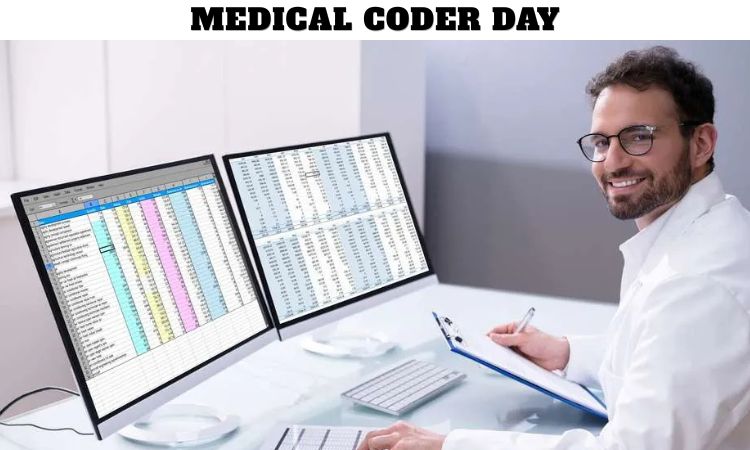
What Is Medical Coder Day and Why Is It Celebrated on May 23?
Medical Coder Day, observed annually on May 23, recognizes the dedication, accuracy, and expertise of medical coders who play an essential role in the healthcare industry. Medical coders work behind the scenes to transform healthcare diagnoses, treatments, procedures, and services into standardized medical codes used for billing, insurance claims, and patient records.
This observance honors professionals whose work ensures that healthcare systems function smoothly and efficiently. While doctors and nurses provide direct patient care, medical coders handle the critical documentation and coding responsibilities that keep hospitals, clinics, and insurance processes organized.
Medical Coder Day is also an opportunity to raise awareness about the profession and acknowledge the significant contribution coders make to healthcare accuracy, compliance, and financial operations.
How Did Medical Coder Day Begin?
Medical Coder Day was created to recognize the growing importance of medical coding professionals within the healthcare industry. As healthcare systems became more advanced and technology-driven, the need for accurate coding and medical documentation increased significantly.
The healthcare industry depends heavily on coding systems such as ICD, CPT, and HCPCS to maintain consistency across medical records and insurance processes. Medical coders became indispensable because they ensure healthcare providers receive proper reimbursement and maintain regulatory compliance.
Over time, hospitals, medical organizations, and healthcare employers began dedicating May 23 to appreciating the precision, professionalism, and hard work of coders worldwide. The day has grown into a respected observance celebrated across healthcare institutions, educational centers, and professional organizations.
Why Are Medical Coders Important in Healthcare?
Medical coders are vital because they convert complex medical information into universally accepted codes that healthcare systems can understand and process efficiently. Every diagnosis, procedure, treatment, and service provided to patients must be coded accurately for records, billing, and insurance purposes.
Without medical coders, healthcare facilities would struggle with claims processing, reimbursement delays, legal compliance, and documentation management. Coders ensure that medical records remain accurate and standardized.
Their responsibilities include:
- Reviewing patient charts and physician notes
- Assigning correct diagnostic and procedural codes
- Ensuring compliance with healthcare regulations
- Supporting insurance claim processing
- Reducing billing errors
- Maintaining patient data accuracy
- Assisting healthcare analytics and reporting
Medical coders contribute directly to the financial stability of healthcare organizations while supporting quality patient care behind the scenes.
What Does a Medical Coder Do Every Day?
A medical coder spends their day analyzing medical documentation and assigning standardized codes for healthcare services. These professionals work in hospitals, clinics, insurance companies, physician offices, and remote healthcare environments.
Daily responsibilities often include:
- Reviewing patient medical records
- Translating diagnoses into ICD codes
- Assigning CPT procedure codes
- Ensuring documentation supports billed services
- Communicating with healthcare providers for clarification
- Verifying coding accuracy
- Updating records according to changing regulations
Medical coders must remain highly detail-oriented because even small coding mistakes can lead to denied insurance claims, compliance issues, or financial losses.
Most coders use specialized software systems and electronic health records to manage coding tasks efficiently. As healthcare technology continues to evolve, coders also adapt to new coding guidelines and digital tools.
What Skills Are Required to Become a Successful Medical Coder?
Medical coding requires a combination of technical knowledge, analytical ability, and strong attention to detail. Successful coders must understand medical terminology, anatomy, healthcare regulations, and coding systems.
Important skills include:
- Attention to detail
- Knowledge of medical terminology
- Analytical thinking
- Understanding of healthcare laws
- Accuracy and organization
- Computer proficiency
- Communication skills
- Time management
Medical coders must also stay updated with changing coding standards and insurance regulations. Since healthcare policies evolve frequently, continuous education is essential for long-term success in the field.
Professional certifications often improve career opportunities and credibility. Certifications from recognized organizations demonstrate expertise and commitment to industry standards.
What Are the Main Types of Medical Coding Systems?
Healthcare organizations use several standardized coding systems to ensure consistency in documentation and billing.
The most common coding systems include:
ICD Codes
The International Classification of Diseases system is used to identify diagnoses, illnesses, injuries, and health conditions. ICD codes help track diseases and maintain patient health records globally.
CPT Codes
Current Procedural Terminology codes describe medical procedures and services performed by healthcare providers. These codes are widely used for billing and reimbursement purposes.
HCPCS Codes
Healthcare Common Procedure Coding System codes are primarily used for medical equipment, supplies, and non-physician services.
Medical coders must understand all major coding systems to perform their responsibilities effectively and maintain compliance with healthcare regulations.
How Has Technology Changed Medical Coding?
Technology has transformed the medical coding profession significantly over the years. Electronic health records, artificial intelligence tools, and coding software have improved efficiency and accuracy in healthcare documentation.
Modern medical coders now work with:
- Electronic medical records
- Automated coding systems
- Healthcare management software
- Insurance claim platforms
- AI-assisted coding tools
Although automation helps streamline repetitive tasks, human coders remain essential because medical records often require interpretation, accuracy checks, and professional judgment.
Technology has also expanded remote work opportunities for medical coders. Many coding professionals now work from home while supporting hospitals and healthcare providers nationwide.
Why Is Accuracy So Important in Medical Coding?
Accuracy is one of the most critical aspects of medical coding. Incorrect coding can lead to insurance claim denials, delayed payments, legal complications, and compliance violations.
Accurate coding helps ensure:
- Proper reimbursement for healthcare providers
- Correct patient medical records
- Compliance with government regulations
- Reduced billing disputes
- Better healthcare data analysis
- Improved patient care coordination
Healthcare systems rely on accurate coded data to monitor disease trends, evaluate treatments, and plan healthcare services. Medical coders play a direct role in maintaining the integrity of this information.
Even minor coding errors can create significant financial and administrative consequences, making precision essential in the profession.
What Career Opportunities Exist for Medical Coders?
Medical coding offers strong career opportunities within the growing healthcare industry. As healthcare services expand worldwide, demand for skilled coders continues to increase.
Medical coders can work in:
- Hospitals
- Clinics
- Insurance companies
- Physician offices
- Government healthcare agencies
- Medical billing companies
- Healthcare consulting firms
Some professionals specialize in areas such as inpatient coding, outpatient coding, oncology coding, or auditing. Others move into management, compliance, education, or healthcare administration roles.
Remote work opportunities have also made medical coding an attractive career choice for individuals seeking flexibility and long-term stability.
How Do People Celebrate Medical Coder Day?
Medical Coder Day is celebrated through appreciation events, recognition programs, educational activities, and workplace celebrations. Healthcare organizations often use the day to acknowledge the efforts of coding teams and administrative staff.
Common ways to celebrate include:
- Employee recognition ceremonies
- Professional development workshops
- Team appreciation lunches
- Awards for coding excellence
- Social media appreciation posts
- Continuing education opportunities
- Career awareness programs
Some healthcare facilities also provide gifts, certificates, or thank-you notes to recognize coders for their dedication and precision.
The observance encourages healthcare professionals and patients alike to appreciate the important administrative work that supports modern medicine.
Why Does Medical Coder Day Matter Today?
Medical Coder Day matters because medical coders remain an essential part of healthcare operations. Their work affects patient records, insurance claims, compliance standards, and healthcare efficiency every day.
As healthcare systems become increasingly complex, coders help maintain organization and accuracy across massive amounts of medical data. They support healthcare providers while helping patients receive proper insurance processing and documentation.
The observance also highlights the importance of healthcare careers beyond direct patient care. Medical coders may work behind the scenes, but their contributions are critical to the success of the healthcare industry.
Medical Coder Day reminds us that precision, dedication, and professionalism are essential components of quality healthcare delivery.
Frequently Asked Questions (FAQs)
1. When is Medical Coder Day celebrated?
Medical Coder Day is celebrated every year on May 23.
2. What is a medical coder?
A medical coder is a healthcare professional who converts medical diagnoses, procedures, and treatments into standardized codes for billing and records.
3. Why is medical coding important?
Medical coding ensures accurate billing, insurance processing, healthcare documentation, and regulatory compliance.
4. What coding systems do medical coders use?
Medical coders commonly use ICD, CPT, and HCPCS coding systems.
5. Can medical coders work remotely?
Yes, many medical coders work remotely using electronic health record systems and coding software.
6. What skills are needed for medical coding?
Important skills include attention to detail, medical terminology knowledge, organization, analytical thinking, and computer proficiency.
7. Do medical coders need certification?
Certification is not always mandatory, but it greatly improves career opportunities and professional credibility.
8. Where do medical coders work?
Medical coders work in hospitals, clinics, insurance companies, physician offices, and healthcare organizations.
9. How does technology help medical coders?
Technology improves efficiency through electronic records, coding software, and AI-assisted documentation tools.
10. Why is Medical Coder Day important?
The day recognizes the essential contributions of medical coders to healthcare accuracy, billing, compliance, and patient record management.