

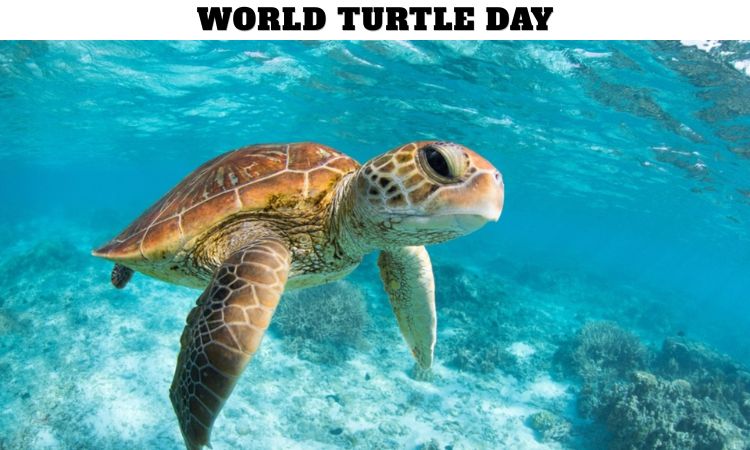
What Is World Turtle Day and Why Is It Celebrated on May 23?
World Turtle Day, celebrated every year on May 23, is an international observance dedicated to raising awareness about turtles and tortoises and promoting efforts to protect their natural habitats. The day encourages people around the world to learn more about these ancient reptiles, understand the environmental challenges they face, and participate in conservation activities that help ensure their survival.
Turtles and tortoises have existed on Earth for more than 200 million years, making them one of the oldest reptile groups in the world. Despite surviving through massive environmental changes and natural disasters, many turtle species today face threats caused by habitat destruction, pollution, climate change, and illegal wildlife trade.
World Turtle Day serves as a reminder that these remarkable creatures need protection and responsible environmental stewardship. The observance also encourages individuals, schools, wildlife organizations, and communities to support conservation programs and educate others about the importance of turtles in ecosystems worldwide.
How Did World Turtle Day Begin?
World Turtle Day was established in 2000 by the American Tortoise Rescue organization, a nonprofit group dedicated to protecting turtles and tortoises globally. The founders created the observance to increase public understanding of turtle conservation and encourage direct action to protect endangered species.
Over time, World Turtle Day grew into a worldwide environmental campaign supported by animal welfare organizations, conservation groups, zoos, aquariums, schools, and nature enthusiasts.
The day now includes educational programs, turtle rescue activities, environmental cleanups, awareness campaigns, and fundraising events designed to promote turtle protection. Through global participation, World Turtle Day continues to inspire people to value wildlife conservation and preserve biodiversity for future generations.
Why Are Turtles Important to the Environment?
Turtles play a vital role in maintaining healthy ecosystems both on land and in water. Different turtle species contribute to environmental balance in unique ways.
Sea turtles help maintain healthy seagrass beds and coral reef ecosystems. By feeding on seagrass, they prevent overgrowth and support marine biodiversity. Some species also help control jellyfish populations.
Freshwater turtles contribute to clean aquatic environments by consuming dead plants, insects, and organic matter. Their feeding habits help recycle nutrients within rivers, lakes, and wetlands.
Tortoises assist ecosystems by dispersing seeds and creating burrows that provide shelter for other animals.
Because turtles influence food chains, habitat health, and ecosystem stability, their decline can negatively affect many other species and environmental processes.
What Is the Difference Between Turtles and Tortoises?
Although turtles and tortoises belong to the same reptile order, they have important differences in habitat, physical characteristics, and behavior.
Turtles generally live in or near water. They have streamlined shells and webbed feet or flippers that help them swim efficiently. Sea turtles spend most of their lives in oceans, while freshwater turtles inhabit rivers, ponds, and lakes.
Tortoises primarily live on land and have dome-shaped shells with strong, sturdy legs adapted for walking rather than swimming.
Other differences include:
- Turtles are often omnivorous.
- Tortoises are mainly herbivorous.
- Sea turtles cannot retract their heads fully into their shells.
- Tortoises are usually slower-moving and adapted for dry environments.
Understanding these differences helps people better appreciate the diversity within the turtle family.
What Threats Do Turtles Face Today?
Turtles face numerous environmental threats that have placed many species at risk of extinction. Human activity remains the leading cause of population decline worldwide.
Major threats include:
- Habitat destruction
- Ocean pollution
- Plastic waste
- Illegal wildlife trade
- Climate change
- Fishing net entanglement
- Coastal development
- Road accidents
- Egg poaching
Plastic pollution is especially dangerous for sea turtles because they often mistake floating plastic bags for jellyfish, one of their common food sources.
Climate change also affects turtle nesting patterns and hatchling survival rates. Rising temperatures can alter the gender ratios of hatchlings because turtle sex is often determined by nest temperature.
Conservationists continue working to reduce these threats through education, rescue operations, habitat restoration, and environmental legislation.
How Long Do Turtles Live?
Turtles are known for their impressive lifespans. Depending on the species, turtles and tortoises can live for several decades or even more than a century.
Some tortoises are capable of living over 100 years, making them among the longest-living animals on Earth. Giant tortoises, in particular, are famous for their extraordinary longevity.
Sea turtles also have long lifespans and may live between 50 and 100 years under natural conditions.
Their slow growth and extended lifespans make conservation even more important because many species take years to reach reproductive maturity.
What Are Some Interesting Facts About Turtles?
Turtles are fascinating animals with many unique biological and behavioral traits.
Interesting turtle facts include:
- Turtles have existed for more than 200 million years.
- A turtle’s shell is part of its skeleton.
- Sea turtles can migrate thousands of miles across oceans.
- Some turtles can breathe through specialized body tissues underwater.
- Leatherback sea turtles are the largest turtle species.
- Turtles can recognize colors and patterns.
- Hatchling sea turtles instinctively move toward the ocean after birth.
These characteristics make turtles one of the most scientifically interesting reptile groups in the world.
How Is World Turtle Day Celebrated?
World Turtle Day is celebrated through conservation activities, educational programs, and environmental awareness campaigns. Many organizations use the day to encourage public involvement in protecting turtles and their habitats.
Popular ways to celebrate include:
- Visiting aquariums and wildlife centers
- Participating in beach cleanups
- Supporting turtle conservation charities
- Learning about endangered turtle species
- Sharing educational resources
- Reducing plastic waste
- Watching wildlife documentaries
- Volunteering for conservation projects
- Teaching children about turtle protection
Schools and environmental groups often organize activities that help students understand the importance of biodiversity and wildlife conservation.
The observance encourages practical environmental responsibility and increased awareness about endangered species.
Why Is Sea Turtle Conservation So Important?
Sea turtle conservation is essential because sea turtles help maintain healthy marine ecosystems. Their survival supports ocean biodiversity, coral reefs, and seagrass habitats.
When sea turtle populations decline, marine ecosystems can become unbalanced. For example, unchecked jellyfish populations may increase, or seagrass beds may suffer from overgrowth.
Sea turtles also serve as indicator species, meaning their health reflects the overall condition of marine environments. Protecting turtles often helps protect many other marine organisms as well.
Conservation efforts focus on:
- Protecting nesting beaches
- Reducing plastic pollution
- Monitoring populations
- Preventing illegal trade
- Promoting sustainable fishing practices
Global cooperation remains essential because sea turtles migrate across international waters and coastlines.
How Can People Help Protect Turtles?
Individuals can make a meaningful difference in turtle conservation through small but important actions.
Helpful ways to protect turtles include:
- Reducing plastic consumption
- Recycling responsibly
- Supporting conservation organizations
- Avoiding products made from turtle shells
- Respecting nesting areas
- Participating in environmental cleanups
- Reporting injured turtles to wildlife authorities
- Practicing sustainable tourism
Even simple actions like properly disposing of trash and reducing single-use plastics can significantly improve marine and coastal environments for turtles.
Education also plays a major role. Teaching future generations about environmental responsibility helps build long-term conservation awareness.
Why Does World Turtle Day Matter Today?
World Turtle Day matters because turtles continue facing serious threats despite their ecological importance and ancient history. The observance raises awareness about conservation challenges while inspiring people to take action to protect vulnerable species.
The day also reminds us that environmental protection is closely connected to the survival of wildlife and the health of ecosystems worldwide.
Turtles symbolize patience, endurance, resilience, and longevity in many cultures. Their continued survival depends on collective efforts from governments, organizations, scientists, and individuals.
World Turtle Day encourages people to appreciate the beauty and importance of turtles while promoting responsible environmental practices that benefit both wildlife and future generations.
Frequently Asked Questions (FAQs)
1. When is World Turtle Day celebrated?
World Turtle Day is celebrated every year on May 23.
2. Who created World Turtle Day?
World Turtle Day was established by the American Tortoise Rescue organization in 2000.
3. Why is World Turtle Day important?
The day raises awareness about turtle conservation and the environmental threats turtles face worldwide.
4. What is the difference between turtles and tortoises?
Turtles usually live in or near water, while tortoises primarily live on land.
5. How long can turtles live?
Depending on the species, turtles can live from several decades to more than 100 years.
6. Why are sea turtles important to marine ecosystems?
Sea turtles help maintain healthy seagrass beds, coral reefs, and balanced ocean food chains.
7. What are the biggest threats to turtles?
Major threats include pollution, habitat destruction, climate change, and illegal wildlife trade.
8. Can turtles retract into their shells?
Many turtles can partially retract into their shells, although sea turtles cannot fully retract their heads.
9. How can people help protect turtles?
People can reduce plastic waste, support conservation groups, protect nesting areas, and participate in cleanups.
10. Why do turtles symbolize longevity?
Turtles symbolize longevity because many species have exceptionally long lifespans and slow aging processes.