

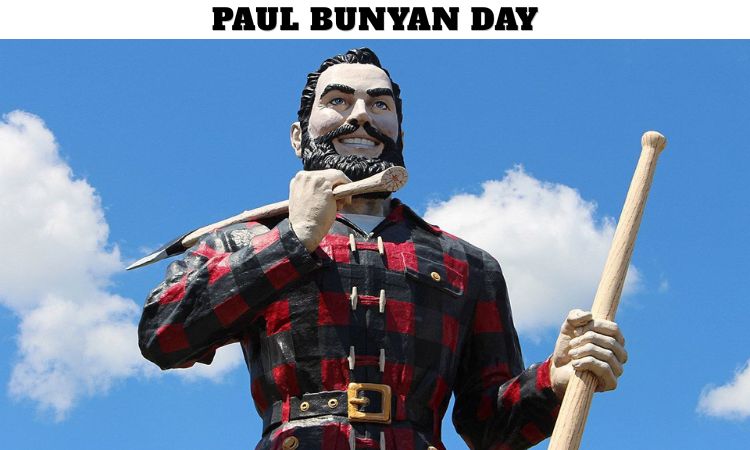
What Is Paul Bunyan Day and Why Is It Celebrated on June 28?
Paul Bunyan Day, observed annually on June 28, celebrates one of the most iconic figures in American folklore. Paul Bunyan, the legendary giant lumberjack, has captivated generations with tales of extraordinary strength, larger-than-life adventures, and incredible feats that shaped the landscape of North America.
The observance honors not only the mythical character himself but also the rich tradition of storytelling, frontier history, and the hardworking lumberjacks who played an important role in the development of the United States and Canada. Paul Bunyan Day encourages people to explore folklore, appreciate cultural traditions, and celebrate the enduring appeal of tall tales.
Although Paul Bunyan is a fictional character, his stories have become deeply embedded in North American cultural heritage. The giant woodsman and his faithful companion, Babe the Blue Ox, continue to symbolize strength, determination, and the adventurous spirit associated with frontier life.
Who Is Paul Bunyan in American Folklore?
Paul Bunyan is a legendary giant lumberjack who occupies a prominent place in American and Canadian folklore. According to traditional stories, Paul Bunyan possessed immense size and strength, enabling him to accomplish astonishing tasks that ordinary people could never perform.
The folklore surrounding Paul Bunyan portrays him as a heroic figure capable of reshaping landscapes, clearing entire forests, and performing superhuman feats with ease. His adventures are typically exaggerated and humorous, reflecting the storytelling style known as the “tall tale.”
Paul Bunyan is often accompanied by his enormous companion, Babe the Blue Ox. Together, they are said to have traveled across vast wilderness regions, creating rivers, mountains, valleys, and other natural landmarks during their adventures.
Over the years, Paul Bunyan has evolved into a symbol of frontier resilience, resourcefulness, and the pioneering spirit that characterized North American expansion.
How Did the Legend of Paul Bunyan Originate?
The exact origins of Paul Bunyan remain uncertain, but scholars generally believe the stories emerged among lumberjack communities during the nineteenth century.
Lumber camps were isolated environments where workers frequently entertained one another by sharing stories after long days of physically demanding labor. Exaggerated tales celebrating extraordinary loggers became an important aspect of camp culture.
Many historians suggest that Paul Bunyan stories evolved from oral traditions passed among French Canadian, American, and immigrant lumber workers throughout the Great Lakes region and northeastern North America.
The character gained widespread popularity in the early twentieth century when advertising campaigns and published collections introduced Paul Bunyan to broader audiences. These publications standardized many aspects of the legend and transformed a regional folk hero into a nationally recognized figure.
Although rooted in oral storytelling traditions, Paul Bunyan’s popularity expanded significantly through literature, marketing, and popular culture.
Why Is Paul Bunyan Considered a Tall Tale Hero?
Paul Bunyan exemplifies the characteristics of a classic tall tale hero. Tall tales are stories that intentionally exaggerate events, abilities, and achievements for humorous or entertaining purposes.
Several elements distinguish Paul Bunyan as a quintessential tall tale character:
- Extraordinary physical size
- Superhuman strength
- Impossible accomplishments
- Humorous adventures
- Exaggerated storytelling
- Larger-than-life personality
Stories frequently attribute remarkable feats to Paul Bunyan. According to legend, he created the Grand Canyon by dragging his axe behind him, formed the Great Lakes to provide water for Babe the Blue Ox, and flattened forests with a single swing.
These exaggerated narratives celebrate imagination, creativity, and humor while reflecting the challenges and experiences of frontier life.
Paul Bunyan Day recognizes the enduring importance of tall tales as a unique and cherished storytelling tradition.
Who Is Babe the Blue Ox and Why Is He Important?
No discussion of Paul Bunyan would be complete without mentioning Babe the Blue Ox, Paul’s gigantic and loyal companion.
According to folklore, Babe was an enormous blue-colored ox whose immense size matched that of Paul Bunyan himself. The pair worked together in logging camps, traveling across vast landscapes and accomplishing extraordinary tasks.
Legends describe Babe as possessing incredible strength and endurance. His gigantic footprints allegedly created lakes and rivers, while his immense appetite required enormous quantities of food.
Babe serves several important roles within Paul Bunyan folklore:
- Loyal companion
- Powerful work partner
- Source of humor
- Symbol of teamwork
- Essential element of frontier mythology
The relationship between Paul and Babe emphasizes themes of friendship, loyalty, and cooperation. Together, they remain among the most recognizable duos in North American folklore.
How Did Paul Bunyan Influence American Culture?
Paul Bunyan’s influence extends far beyond folklore. Over the past century, the legendary lumberjack has become deeply embedded in American culture.
Numerous communities, particularly in regions historically associated with logging, celebrate Paul Bunyan through festivals, statues, museums, and tourism attractions.
The character has also appeared in:
- Children’s literature
- Animated films
- Television programs
- Commercial advertising
- Educational materials
- Theme parks
- Folk art
- Souvenirs and memorabilia
Paul Bunyan frequently symbolizes qualities such as hard work, perseverance, optimism, and frontier ingenuity. His stories continue to inspire artists, writers, educators, and storytellers.
Many Americans first encounter folklore through Paul Bunyan tales, making the character an important gateway to broader discussions about cultural heritage and oral traditions.
What Role Did Lumberjacks Play in North American History?
Paul Bunyan folklore draws inspiration from the real experiences of lumberjacks who contributed significantly to North America’s development.
During the nineteenth and early twentieth centuries, the logging industry supplied timber necessary for constructing homes, railroads, ships, and growing cities. Lumber workers often operated in remote forests under demanding and sometimes dangerous conditions.
Logging camps required extraordinary physical endurance. Workers faced:
- Harsh winter weather
- Long working hours
- Difficult terrain
- Heavy manual labor
- Isolation from communities
The challenging nature of logging life fostered strong camaraderie among workers and encouraged storytelling traditions that helped entertain and unite camp members.
Paul Bunyan stories celebrate the spirit and resilience of these workers while exaggerating their accomplishments for dramatic effect.
Paul Bunyan Day therefore also serves as an opportunity to recognize the historical contributions of lumber communities.
How Have Paul Bunyan Stories Evolved Over Time?
The Paul Bunyan legend has undergone significant transformation over the decades.
Initially, stories circulated primarily through oral traditions among lumber workers. Different camps and regions developed their own versions of Bunyan adventures, resulting in considerable variation.
As publishers and advertisers popularized the character during the early twentieth century, many stories became standardized. New adventures were created, and existing narratives were expanded to appeal to broader audiences.
Contemporary interpretations often emphasize:
- Environmental awareness
- Historical education
- Family entertainment
- Cultural preservation
- Regional heritage
Modern adaptations continue introducing Paul Bunyan to new generations while preserving the humor and imagination that define traditional tall tales.
The adaptability of the character demonstrates the enduring power of folklore to evolve alongside changing social and cultural contexts.
How Can People Celebrate Paul Bunyan Day?
Paul Bunyan Day offers numerous opportunities for learning, creativity, and family entertainment.
Popular ways to celebrate include:
- Reading Paul Bunyan stories
- Visiting folklore museums
- Exploring logging history exhibits
- Sharing tall tales with family and friends
- Watching films featuring Paul Bunyan
- Visiting giant Paul Bunyan statues
- Participating in storytelling activities
- Creating artwork inspired by folklore
- Learning about lumberjack history
- Organizing themed educational events
Teachers frequently use Paul Bunyan Day to introduce students to folklore, oral traditions, and creative writing exercises.
Families may celebrate by inventing their own humorous tall tales and sharing imaginative stories inspired by Bunyan’s adventures.
Why Are Folklore and Tall Tales Important?
Folklore and tall tales play essential roles in preserving cultural identity and transmitting shared values across generations.
These stories provide insight into historical experiences, social attitudes, and community traditions. They also encourage imagination, creativity, and critical thinking.
Tall tales, in particular, serve several important purposes:
- Entertaining audiences
- Strengthening community bonds
- Preserving historical memories
- Encouraging creativity
- Reflecting cultural values
- Inspiring storytelling traditions
Paul Bunyan stories illustrate how folklore can blend historical realities with imaginative exaggeration to create enduring cultural symbols.
National observances such as Paul Bunyan Day help ensure these traditions remain relevant and accessible in modern society.
What Lessons Can We Learn from Paul Bunyan?
Despite their exaggerated nature, Paul Bunyan stories often convey meaningful lessons.
The legendary lumberjack symbolizes determination, resilience, ingenuity, and optimism in the face of challenges. His adventures encourage audiences to think creatively and approach obstacles with confidence.
Additional themes associated with Paul Bunyan include:
- Teamwork
- Friendship
- Perseverance
- Resourcefulness
- Courage
- Humor
The stories also remind us of the importance of preserving cultural traditions and appreciating the role storytelling plays in human societies.
Through humor and imagination, Paul Bunyan continues teaching valuable lessons about creativity, community, and perseverance.
Why Does Paul Bunyan Day Remain Relevant Today?
Paul Bunyan Day remains relevant because folklore continues to serve as an important expression of cultural identity and shared heritage.
In an increasingly digital world, storytelling traditions provide meaningful connections to history, community, and imagination. Paul Bunyan’s adventures continue entertaining audiences while encouraging appreciation for oral traditions and regional history.
The observance also highlights the importance of preserving folklore for future generations. By celebrating Paul Bunyan, communities honor not only a legendary character but also the storytellers whose creativity brought him to life.
As long as people value stories, imagination, and cultural heritage, Paul Bunyan Day will continue to hold significance.
Paul Bunyan Day, celebrated annually on June 28, honors one of North America’s most beloved folk heroes. Through tales of extraordinary strength, humorous adventures, and impossible accomplishments, Paul Bunyan has become a lasting symbol of frontier spirit, imagination, and storytelling tradition.
The observance encourages individuals to explore folklore, appreciate lumberjack history, and celebrate the creativity that shapes cultural heritage. Whether through reading classic tales, visiting historical attractions, or sharing imaginative stories, Paul Bunyan Day offers meaningful opportunities to connect with an enduring legend.
Frequently Asked Questions (FAQs)
1. When is Paul Bunyan Day celebrated?
Paul Bunyan Day is observed annually on June 28.
2. Who is Paul Bunyan?
Paul Bunyan is a legendary giant lumberjack featured in American and Canadian folklore.
3. Is Paul Bunyan a real historical figure?
No, Paul Bunyan is a fictional folk hero associated with tall tale traditions.
4. Who is Babe the Blue Ox?
Babe the Blue Ox is Paul Bunyan’s enormous and loyal companion in folklore.
5. What is a tall tale?
A tall tale is a humorous story featuring exaggerated characters and impossible events.
6. Where did Paul Bunyan stories originate?
The stories likely originated among lumberjack communities in North America during the nineteenth century.
7. Why is Paul Bunyan important in American culture?
Paul Bunyan symbolizes frontier spirit, hard work, imagination, and storytelling traditions.
8. How can people celebrate Paul Bunyan Day?
People can read folklore, visit museums, share tall tales, and learn about logging history.
9. What industries inspired Paul Bunyan folklore?
The North American logging and lumber industries inspired many Paul Bunyan stories.
10. Why are folklore traditions important?
Folklore preserves cultural heritage, strengthens communities, and encourages creativity.