

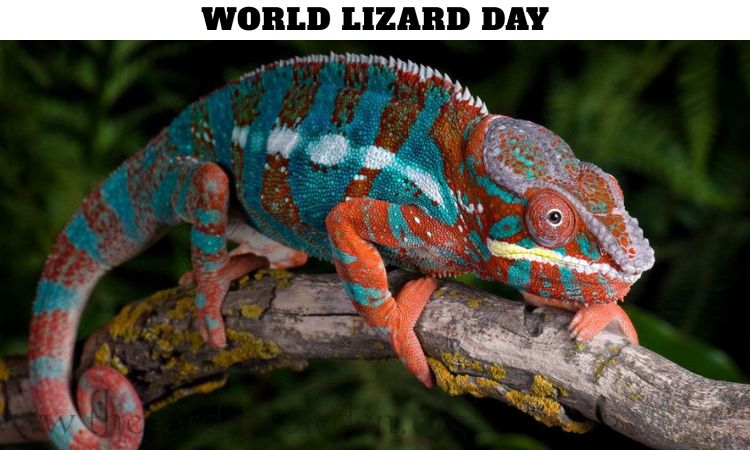
What Is World Lizard Day?
World Lizard Day is observed every year on August 14 to recognize and appreciate lizards and their important role in nature. Lizards are among the most diverse groups of reptiles, with thousands of species found across different parts of the world. From tiny geckos living around homes to large monitor lizards inhabiting forests and grasslands, these reptiles have adapted to an extraordinary range of environments.
Although lizards are often misunderstood or feared, they are an important part of many ecosystems. They help control insect and other small-animal populations while also serving as food for birds, snakes, mammals, and other predators. World Lizard Day provides an opportunity to learn more about these remarkable animals and understand why protecting their habitats matters.
The day can also encourage people to observe local wildlife responsibly and develop greater appreciation for reptiles. Whether someone is a reptile enthusiast, wildlife lover, student, photographer, or simply curious about nature, August 14 offers a reason to explore the fascinating world of lizards.
Why Is World Lizard Day Celebrated on August 14?
World Lizard Day is celebrated on August 14 as an occasion to appreciate lizards and raise awareness about these diverse reptiles. The observance provides a simple way to highlight their biological importance and encourage people to learn more about reptile conservation.
Lizards have existed for millions of years and have evolved specialized features that allow them to survive in deserts, forests, mountains, grasslands, wetlands, and even urban environments. Their remarkable adaptations make them an interesting subject for students, researchers, wildlife enthusiasts, and conservationists.
The day also draws attention to the challenges faced by lizard populations. Habitat destruction, climate change, pollution, invasive species, road traffic, and illegal wildlife collection can threaten some species. Learning about these problems can help people understand the importance of protecting natural habitats.
World Lizard Day is therefore more than a celebration of an unusual-looking animal. It is an opportunity to recognize biodiversity and encourage responsible relationships between humans and wildlife.
What Makes Lizards So Fascinating?
Lizards are fascinating because of their extraordinary diversity. They vary dramatically in size, appearance, behavior, diet, and habitat.
Some lizards are only a few centimeters long, while others can grow to impressive sizes. Their bodies may feature bright colors, spots, stripes, scales, crests, horns, or other adaptations. Certain species can change color, while others use camouflage to blend into their surroundings.
One of the best-known lizard abilities is tail regeneration. Several lizard species can detach their tails when threatened, a behavior known as autotomy. The detached tail may continue moving for a short time, potentially distracting a predator while the lizard escapes. Some species can later regenerate a replacement tail, although the regenerated tail is not always identical to the original.
Lizards also have remarkable climbing abilities. Geckos, for example, can move across walls and ceilings because of specialized structures on their feet that allow them to adhere to surfaces.
These adaptations demonstrate how evolution has enabled lizards to survive in environments with very different challenges.
How Many Types of Lizards Are There?
There are thousands of recognized lizard species around the world, belonging to numerous families and groups. Their diversity includes geckos, skinks, iguanas, anoles, chameleons, monitors, agamas, and many others.
Each group has its own distinctive characteristics. Geckos are often known for their climbing abilities and large eyes. Chameleons are famous for their independently moving eyes and specialized tongues. Iguanas are generally recognized by their robust bodies and distinctive appearances, while monitor lizards are known for their intelligence, strength, and relatively large size.
Some lizards are highly specialized for particular habitats. Desert species may have adaptations that help them cope with heat and limited water, while forest-dwelling species may rely heavily on camouflage and climbing abilities.
This diversity makes lizards an important part of global biodiversity.
Where Do Lizards Live?
Lizards can be found on almost every continent, although their distribution varies by species. They are particularly diverse in warm regions, but some species are capable of surviving in cooler environments as well.
Different lizards occupy different habitats. They can live in deserts, forests, mountains, grasslands, rocky landscapes, wetlands, agricultural areas, and urban environments.
Many lizards have adapted surprisingly well to human surroundings. House geckos, for example, are commonly seen around buildings and may feed on insects attracted to artificial lights.
Their ability to occupy different environments demonstrates the adaptability of reptiles. However, adaptation does not mean that all species can easily cope with rapid environmental changes. Habitat destruction and changes in temperature or food availability can create serious challenges for specialized species.
Why Are Lizards Important to the Ecosystem?
Lizards play several important roles in ecosystems. One of their most significant contributions is helping regulate populations of insects and other small animals.
Many lizards eat insects such as ants, beetles, grasshoppers, moths, and other invertebrates. By consuming these animals, lizards can influence food webs and contribute to ecological balance.
At the same time, lizards are an important source of food for many predators. Birds, snakes, mammals, and larger reptiles may prey on lizards. This means they occupy an important position in food chains.
Lizards can also contribute to nutrient cycling. Like other animals, they return nutrients to their surroundings through waste and natural decomposition.
Their presence or absence can therefore provide useful information about environmental conditions. Changes in lizard populations may sometimes indicate changes in habitat quality, climate, food availability, or predator populations.
What Do Lizards Eat?
Lizard diets vary considerably depending on the species. Many lizards are insectivores, meaning they primarily eat insects and other small invertebrates.
Some species consume spiders, worms, small crustaceans, and other animals. Larger predatory lizards may eat rodents, birds, eggs, fish, frogs, or other reptiles.
There are also herbivorous and omnivorous lizards. Iguanas, for instance, are largely herbivorous and consume leaves, flowers, and other plant material. Some species combine plant-based foods with insects or other animal sources.
Their feeding habits are closely connected to their habitats. A lizard living in a tropical forest may have access to very different food resources compared with a lizard living in a desert.
Do Lizards Make Good Pets?
Some lizards can make suitable pets for experienced owners, but keeping a reptile is a serious responsibility. Different species have different requirements for temperature, humidity, lighting, enclosure size, diet, and veterinary care.
Popular pet lizards include certain geckos, bearded dragons, and skinks. However, potential owners should research the specific species thoroughly before bringing one home.
A pet lizard is not a low-maintenance animal simply because it may be smaller than a dog or cat. Proper habitat conditions are essential for its health and well-being.
People should also avoid taking wild lizards from their natural habitats. Responsible pet ownership means obtaining animals legally and ethically and providing appropriate care throughout their lives.
What Threats Do Lizards Face?
Although many lizard species remain widespread, others face significant threats. Habitat loss is one of the biggest concerns. Urban expansion, agriculture, deforestation, mining, and infrastructure development can destroy or fragment habitats.
Climate change can create additional pressure. Lizards depend on environmental temperatures for many aspects of their biology, and changes in temperature can affect activity, reproduction, food availability, and survival.
Pollution, pesticides, invasive species, road mortality, and illegal collection can also affect certain populations.
Some species have highly restricted ranges, making them especially vulnerable to environmental changes. Protecting natural habitats is therefore one of the most effective ways to support lizard conservation.
How Can You Celebrate World Lizard Day?
There are many simple and educational ways to celebrate World Lizard Day on August 14.
You can begin by learning about lizard species found in your region. A nature walk can provide an opportunity to observe local reptiles, although wildlife should always be watched without disturbing or handling it.
Children can celebrate by creating lizard drawings, reading reptile books, preparing school presentations, or learning about different species and their habitats.
Wildlife enthusiasts can photograph lizards from a safe distance and share educational information about their ecological importance.
Another meaningful activity is improving a garden or outdoor space so that it provides habitat for local wildlife. Reducing unnecessary pesticide use, maintaining native vegetation, and preserving natural areas can benefit many small animals, including lizards.
World Lizard Day can also be a good time to discuss conservation and responsible wildlife behavior with friends and family.
What Are Some Interesting Facts About Lizards?
Lizards have many unusual characteristics that make them one of the most interesting groups of reptiles.
Some species can detach their tails to escape predators. Certain geckos can climb smooth surfaces using specialized structures on their feet. Chameleons have independently moving eyes, allowing them to observe different directions.
Some lizards use body language, displays, or vocalizations to communicate. Others rely heavily on camouflage to avoid predators.
Lizards also demonstrate impressive survival strategies. Desert species can tolerate extreme temperatures, while forest species may have specialized climbing abilities. Some species can remain hidden for long periods to avoid predators.
Their wide range of adaptations illustrates the incredible diversity of life on Earth.
Why Should We Protect Lizards?
Protecting lizards means protecting biodiversity and the ecosystems in which they live. Every species has a role within its environment, whether as a predator, prey, competitor, or contributor to nutrient cycling.
Lizards also provide opportunities for scientific research. Their adaptations can help researchers understand evolution, ecology, behavior, regeneration, and environmental change.
Protecting them does not necessarily require complicated actions. Preserving natural habitats, avoiding unnecessary killing of reptiles, reducing pollution, using pesticides responsibly, and supporting wildlife conservation can all make a difference.
World Lizard Day reminds us that even animals that may seem small or unfamiliar can have an important place in nature.
How Can World Lizard Day Encourage Wildlife Awareness?
World Lizard Day can help change the way people think about reptiles. Fear or misunderstanding often causes people to harm animals they do not recognize or understand.
Education can replace fear with curiosity. Learning about lizard behavior, habitats, diets, and ecological roles can help people appreciate them as part of the natural world.
Schools, wildlife organizations, families, and communities can use August 14 as an opportunity to discuss biodiversity and responsible wildlife observation.
The celebration can also remind people that wildlife does not have to be large or traditionally considered beautiful to deserve protection.
What Is the Significance of World Lizard Day?
World Lizard Day on August 14 provides an opportunity to celebrate lizards while promoting greater awareness of reptiles and biodiversity. These animals have survived and adapted to countless environments, developing remarkable characteristics along the way.
From tiny geckos found around homes to large monitor lizards in wild landscapes, lizards contribute to ecosystems in many different ways. Their role as predators and prey helps maintain ecological relationships, while their unique adaptations provide valuable opportunities for scientific study.
The day encourages people to learn, observe, and appreciate these animals rather than fear or unnecessarily disturb them. It also highlights the importance of preserving habitats where lizards and other wildlife can thrive.
Celebrating World Lizard Day can be as simple as learning about a local species, sharing an interesting fact, watching wildlife responsibly, or teaching children about reptiles. Small educational activities can help build a stronger appreciation for biodiversity.
As August 14 arrives, World Lizard Day offers a chance to look more closely at these fascinating reptiles and recognize the important role they play in the natural world.
Frequently Asked Questions (FAQs)
1. When is World Lizard Day celebrated?
World Lizard Day is celebrated annually on August 14.
2. What is World Lizard Day?
World Lizard Day is an observance dedicated to appreciating lizards, learning about their behavior and diversity, and increasing awareness of reptile conservation.
3. Why are lizards important?
Lizards are important members of food webs. Many consume insects and other small animals, while they also provide food for birds, snakes, mammals, and larger reptiles.
4. Where do lizards live?
Lizards live in many environments, including forests, deserts, grasslands, mountains, rocky areas, wetlands, agricultural landscapes, and urban environments.
5. Can lizards regenerate their tails?
Some lizard species can detach their tails when threatened and later regenerate a replacement tail. The regenerated tail may differ from the original.
6. What do lizards eat?
Depending on the species, lizards may eat insects, spiders, worms, other small animals, fruits, flowers, leaves, or a combination of plant and animal foods.
7. Are all lizards dangerous?
No. Most lizards are harmless to humans and generally avoid people. Like all wild animals, however, they should be observed without unnecessary handling or disturbance.
8. How can people celebrate World Lizard Day?
People can celebrate by learning about lizards, observing local wildlife responsibly, creating educational projects, photographing lizards from a safe distance, or supporting habitat conservation.
9. What are the biggest threats to lizards?
Major threats can include habitat destruction, climate change, pollution, pesticides, invasive species, road mortality, and illegal wildlife collection.
10. How can we help protect lizards?
People can help by preserving natural habitats, avoiding unnecessary harm to reptiles, reducing pollution, using pesticides responsibly, protecting native vegetation, and supporting wildlife conservation efforts.