
What Is Seychelles Independence Day and Why Is It Celebrated on June 29?
Seychelles Independence Day is celebrated every year on June 29 to commemorate the day when the island nation of Seychelles gained independence from British colonial rule in 1976. This important national holiday marks a defining moment in the country’s history, symbolizing sovereignty, self-governance, national pride, and the beginning of a new era for the people of Seychelles.
Independence Day is among the most significant public holidays in Seychelles. It provides citizens with an opportunity to honor the sacrifices and efforts of those who worked toward self-rule while celebrating the country’s unique culture, heritage, and achievements as an independent nation.
The annual observance unites people across the archipelago through patriotic events, cultural performances, official ceremonies, and community celebrations. It also serves as a reminder of the country’s remarkable journey from a colonial territory to a modern and prosperous island republic.
How Did Seychelles Gain Independence from Britain?
The road to independence for Seychelles was shaped by decades of political evolution and constitutional development. Prior to independence, Seychelles had been a British colony for more than a century.
Political reforms accelerated during the 1960s and early 1970s as decolonization movements spread across Africa and other parts of the world. Growing demands for self-government encouraged Britain and local political leaders to negotiate constitutional changes that would grant greater autonomy to the islands.
Two major political parties emerged during this period: the Seychelles Democratic Party, led by James Mancham, and the Seychelles People’s United Party, led by France-Albert René. Despite differing political ideologies, both leaders played significant roles in shaping the nation’s future.
Following constitutional discussions and negotiations with the British government, Seychelles officially became an independent republic within the Commonwealth on June 29, 1976.
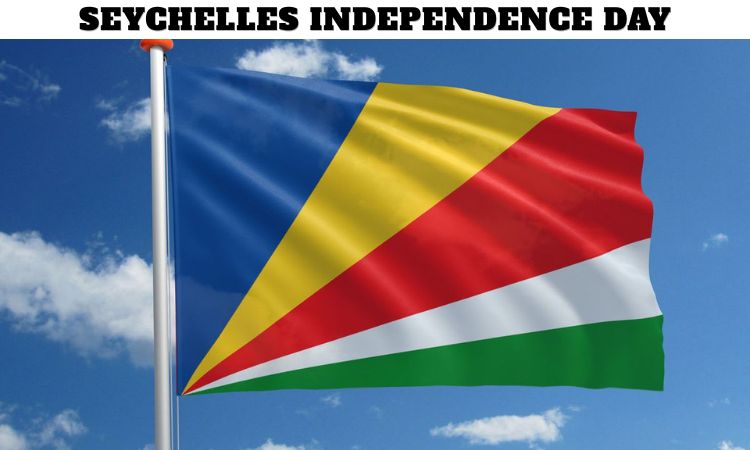
On that historic day, the British colonial administration formally transferred authority to the newly independent nation, and Seychelles raised its national flag as a symbol of sovereignty and freedom.
What Was Seychelles Like Before Independence?
Before achieving independence, Seychelles functioned as a British Crown Colony. The islands had previously experienced periods of French and British colonial administration.
The French initially settled Seychelles during the eighteenth century, introducing agriculture and establishing plantations. Control later passed to Britain following the Napoleonic Wars, and the islands officially became a British colony in 1903 after being administered as part of Mauritius.
Colonial-era Seychelles relied heavily on agriculture, particularly the production of coconuts, cinnamon, and vanilla. Economic opportunities were limited, and much of the population depended on plantation work and fishing.
Over time, educational opportunities expanded, infrastructure improved, and political awareness increased. These developments contributed to growing aspirations for self-government and eventual independence.
The transition from colonial rule to self-governance represented a transformative period that fundamentally reshaped the nation’s political, economic, and social landscape.
Why Is June 29 Historically Important for Seychelles?
June 29 occupies a special place in Seychellois history because it marks the birth of the independent Republic of Seychelles.
The date symbolizes several important national values, including:
- Freedom
- Sovereignty
- Self-determination
- National unity
- Democratic development
- Cultural pride
- Political independence
For many citizens, Independence Day is not simply a historical anniversary; it is a celebration of national identity and collective progress.
The observance also highlights the resilience and determination of the Seychellois people in building a successful and stable nation despite geographic isolation and limited natural resources.
Every year, June 29 offers an opportunity to reflect on the country’s achievements while looking ahead toward future development and prosperity.
Who Were the Key Leaders in Seychelles’ Independence Movement?
Several political figures played significant roles in guiding Seychelles toward independence.
James Mancham became the country’s first President upon independence in 1976. As leader of the Seychelles Democratic Party, he advocated constitutional progress and participated actively in negotiations with Britain.
France-Albert René, leader of the Seychelles People’s United Party, was another influential figure in the independence movement. He served as Prime Minister at independence and later became President following political changes in 1977.
Both leaders contributed to shaping modern Seychelles, although their political visions differed substantially.
Beyond these prominent individuals, many citizens, activists, civil servants, and community leaders supported the broader movement for self-governance and national development.
Independence Day honors all those who contributed to establishing an independent Seychellois nation.
How Do People Celebrate Seychelles Independence Day?
Seychelles Independence Day is celebrated enthusiastically throughout the country. Festivities often combine official ceremonies with cultural and community events.
Common Independence Day activities include:
- Flag-raising ceremonies
- Military parades
- Presidential addresses
- Cultural performances
- Traditional music and dance exhibitions
- Community gatherings
- Educational programs
- Sporting events
- Fireworks displays
- National award presentations
Government officials, dignitaries, students, and citizens frequently participate in commemorative events organized across the islands.
Schools often conduct special programs that teach students about the nation’s history and the significance of independence. Cultural performances showcasing Seychellois music, dance, and traditions form an important part of the celebrations.
The holiday atmosphere reflects both patriotism and a strong sense of community.
What Role Does National Identity Play in Independence Day Celebrations?
National identity occupies a central place in Seychelles Independence Day observances.
Seychelles possesses a rich multicultural heritage shaped by African, European, and Asian influences. This diversity is reflected in the country’s languages, cuisine, music, traditions, and customs.
Independence Day celebrations emphasize shared national values while honoring this cultural diversity. The holiday encourages citizens to celebrate what unites them as Seychellois.
Patriotic symbols frequently displayed during the celebrations include:
- The national flag
- The national anthem
- Traditional cultural attire
- Historical exhibits
- National emblems
Public ceremonies often stress themes such as unity, peace, progress, and national pride.
By celebrating Independence Day, Seychellois people reaffirm their collective identity and commitment to the nation’s continued development.
How Has Seychelles Developed Since Independence?
Since gaining independence in 1976, Seychelles has experienced significant social, economic, and political progress.
Tourism emerged as a major economic driver, transforming the country into one of the world’s most recognized island destinations. The nation’s stunning beaches, biodiversity, and environmental conservation efforts have attracted visitors from around the globe.
Notable achievements since independence include:
- Expansion of educational opportunities
- Improvements in healthcare services
- Infrastructure development
- Economic diversification
- Growth of tourism
- Environmental conservation initiatives
- Democratic reforms
- Increased international engagement
Seychelles consistently ranks highly among African countries in terms of human development indicators.
The country’s commitment to environmental sustainability has also earned international recognition, particularly regarding marine conservation and climate action.
Independence Day provides an opportunity to celebrate these accomplishments while acknowledging ongoing development goals.
Why Is Seychelles Known for Its Cultural Diversity?
Seychelles is renowned for its multicultural society, which developed through centuries of migration and historical interaction.
The islands’ population includes descendants of African, French, British, Indian, Chinese, and other communities. This blend of influences has created a distinctive national culture.
Three official languages are spoken in Seychelles:
- Seychellois Creole
- English
- French
Seychellois Creole, commonly known as Kreol, serves as a powerful symbol of national identity and cultural unity.
Traditional music, dance, cuisine, and festivals reflect the country’s diverse heritage. Independence Day celebrations frequently showcase these cultural expressions through performances and public events.
The country’s cultural diversity remains one of its defining characteristics and a source of national pride.
How Does Independence Day Promote Patriotism Among Younger Generations?
Educating younger generations about independence is an important aspect of the annual observance.
Schools across Seychelles often organize:
- History lessons
- Essay competitions
- Cultural presentations
- Flag ceremonies
- Educational exhibitions
- Patriotic performances
These activities help students understand the significance of independence and appreciate the efforts of previous generations.
Learning about national history fosters civic awareness, responsibility, and pride among young people. It also encourages continued commitment to democratic values, national unity, and sustainable development.
Independence Day serves as an educational opportunity that strengthens intergenerational connections and preserves historical memory.
What Challenges and Opportunities Has Seychelles Faced Since Independence?
Like many small island nations, Seychelles has encountered various challenges since independence.
These include:
- Economic vulnerability
- Geographic isolation
- Climate change impacts
- Dependence on tourism
- Limited natural resources
- Global economic fluctuations
However, Seychelles has also demonstrated remarkable resilience and adaptability.
The country has pursued innovative approaches to sustainable development, marine conservation, and economic diversification. International partnerships and strong governance have supported continued progress.
Independence Day offers a moment to reflect on both achievements and future challenges while reaffirming national aspirations.
Why Does Seychelles Independence Day Remain Important Today?
Seychelles Independence Day remains highly relevant because it commemorates the nation’s sovereignty, celebrates cultural identity, and reinforces national unity.
The holiday reminds citizens of the importance of self-determination and democratic participation. It also encourages reflection on the country’s journey and future aspirations.
As global challenges evolve, Independence Day continues to inspire patriotism, resilience, and collective responsibility among the Seychellois people.
The annual observance strengthens national cohesion while celebrating the unique heritage and accomplishments of one of the world’s most beautiful island nations.
Seychelles Independence Day, celebrated annually on June 29, marks a historic milestone in the nation’s journey toward sovereignty and self-governance. The holiday honors the country’s independence from British colonial rule in 1976 while celebrating national unity, cultural diversity, and ongoing progress.
Through ceremonies, cultural performances, and community celebrations, Seychellois citizens commemorate their shared history and reaffirm their commitment to building a prosperous future. Independence Day remains a powerful symbol of freedom, resilience, and national pride for generations of Seychellois people.
Frequently Asked Questions (FAQs)
1. When is Seychelles Independence Day celebrated?
Seychelles Independence Day is celebrated every year on June 29.
2. What does Seychelles Independence Day commemorate?
The holiday commemorates Seychelles gaining independence from British colonial rule on June 29, 1976.
3. From which country did Seychelles gain independence?
Seychelles gained independence from the United Kingdom.
4. When did Seychelles become independent?
Seychelles officially became an independent republic on June 29, 1976.
5. Who was the first President of independent Seychelles?
James Mancham became the first President of Seychelles upon independence.
6. How do people celebrate Seychelles Independence Day?
Celebrations include parades, flag ceremonies, cultural performances, speeches, and community events.
7. What are the official languages of Seychelles?
The official languages are Seychellois Creole, English, and French.
8. Why is Independence Day important in Seychelles?
The day celebrates national sovereignty, freedom, unity, and cultural identity.
9. Is Seychelles still part of the Commonwealth?
Yes, Seychelles remains a member of the Commonwealth of Nations.
10. What is the significance of June 29 in Seychelles?
June 29 marks the day Seychelles achieved independence and became a sovereign nation.