

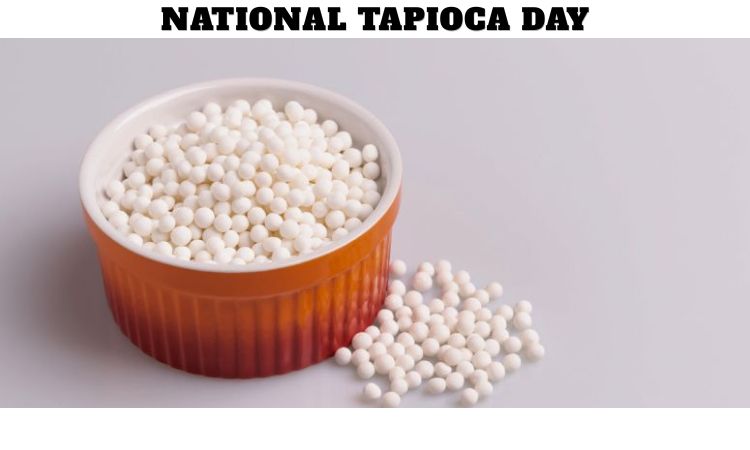
What Is National Tapioca Day and Why Is It Celebrated on June 28?
National Tapioca Day, observed annually on June 28, celebrates one of the world’s most versatile and beloved starch-based foods: tapioca. Derived from the cassava root, tapioca has been enjoyed for centuries in a variety of culinary traditions around the globe. The day recognizes tapioca’s unique texture, adaptability, and enduring popularity in desserts, beverages, puddings, and savory dishes.
From traditional tapioca pudding to modern bubble tea, tapioca continues to delight people of all ages. National Tapioca Day provides food enthusiasts with an opportunity to explore new recipes, appreciate the ingredient’s rich history, and celebrate its contribution to international cuisine.
The observance also highlights the agricultural importance of cassava, the plant from which tapioca is produced, and acknowledges the many cultures that have incorporated tapioca into their culinary heritage.
How Did National Tapioca Day Originate?
The precise origins of National Tapioca Day remain unclear, as with many food-related observances. However, the celebration was established to recognize the popularity and versatility of tapioca as a food ingredient.
Food holidays often emerge to honor beloved dishes and ingredients while encouraging culinary exploration and appreciation. Tapioca’s widespread use across continents and cultures made it a fitting candidate for its own commemorative day.
Over time, National Tapioca Day has become an occasion for restaurants, bakeries, home cooks, and food lovers to prepare tapioca-based dishes and learn more about the ingredient’s history and uses.
Although the observance may not be associated with a specific historical event, it continues to inspire people to rediscover traditional recipes and experiment with contemporary culinary creations featuring tapioca.
What Is Tapioca and How Is It Made?
Tapioca is a starch extracted from the storage roots of the cassava plant, scientifically known as Manihot esculenta. Cassava is a tropical root crop native to South America and is widely cultivated throughout Africa, Asia, and Latin America.
The process of producing tapioca involves harvesting cassava roots, washing and peeling them, and then crushing or grinding them to release their starch. The extracted starch is subsequently washed, dried, and processed into various forms.
Tapioca is commonly available as:
- Pearls
- Flour
- Flakes
- Powder
- Instant granules
The small, translucent pearls used in puddings and bubble tea are among the most recognizable forms of tapioca. These pearls expand and become chewy when cooked, creating the distinctive texture that many people enjoy.
Because tapioca has a neutral flavor, it readily absorbs the tastes of other ingredients, making it highly versatile in cooking and baking.
Where Did Tapioca Originate?
Tapioca originated in South America, where indigenous peoples cultivated cassava long before European exploration of the continent. Indigenous communities developed sophisticated methods for processing cassava safely and transforming it into edible products.
Following European contact during the Age of Exploration, cassava cultivation spread to other tropical regions around the world. Portuguese and Spanish traders played a significant role in introducing cassava to Africa and Asia.
Today, cassava is a staple food for hundreds of millions of people worldwide. Countries such as Brazil, Nigeria, Thailand, Indonesia, and Vietnam are major producers of cassava and tapioca products.
The global spread of tapioca demonstrates how agricultural knowledge and culinary traditions can transcend geographic boundaries and enrich cuisines across cultures.
Why Has Tapioca Become So Popular Worldwide?
Several factors have contributed to tapioca’s widespread popularity.
First, cassava thrives in tropical climates and can grow successfully in challenging agricultural conditions. This resilience has made cassava an important food security crop in many regions.
Second, tapioca’s neutral flavor and adaptable texture make it suitable for numerous culinary applications. It can be used in sweet desserts, beverages, baked goods, soups, sauces, and savory dishes.
Additional reasons for its popularity include:
- Long shelf life
- Versatility in cooking
- Gluten-free properties
- Affordability
- Unique chewy texture
- Ability to thicken foods effectively
The recent global popularity of bubble tea has further increased awareness and demand for tapioca pearls, introducing the ingredient to new generations of consumers.
National Tapioca Day celebrates this remarkable ingredient’s journey from traditional staple food to internationally recognized culinary favorite.
How Is Tapioca Used in Different Cuisines Around the World?
Tapioca plays an important role in many culinary traditions.
In North America and Europe, tapioca is often associated with tapioca pudding, a creamy dessert made with milk, sugar, eggs, and tapioca pearls.
In South America, cassava and tapioca products are incorporated into breads, flatbreads, and traditional dishes. Brazilian cuisine, for example, features tapioca pancakes and cheese breads made with tapioca flour.
Across Asia, tapioca appears in numerous desserts and beverages. Bubble tea, which originated in Taiwan, commonly contains chewy tapioca pearls suspended in sweetened tea.
Southeast Asian cuisines frequently use tapioca in puddings, cakes, and sweet soups, while African communities utilize cassava-based products as dietary staples.
These diverse applications demonstrate tapioca’s remarkable adaptability and cultural significance.
What Are the Nutritional Characteristics of Tapioca?
Tapioca primarily consists of carbohydrates and serves as a concentrated source of energy. It contains relatively small amounts of protein, fat, and dietary fiber.
Nutritional characteristics of tapioca include:
- High carbohydrate content
- Naturally gluten-free composition
- Low sodium levels
- Minimal fat content
- Limited protein content
Because tapioca is naturally gluten-free, it has become popular among individuals seeking alternatives to wheat-based ingredients.
However, balanced diets require a variety of nutrient sources. Tapioca is often consumed alongside other ingredients that contribute protein, vitamins, minerals, and fiber.
When incorporated thoughtfully into meals and desserts, tapioca can be part of a diverse and enjoyable eating pattern.
Why Is Tapioca Important in Gluten-Free Cooking?
Tapioca flour has become an essential ingredient in gluten-free cooking and baking.
Individuals who avoid gluten due to dietary preferences or medical reasons often rely on alternative starches and flours. Tapioca flour provides valuable functional properties that improve texture and consistency in gluten-free recipes.
Common uses in gluten-free baking include:
- Thickening sauces and gravies
- Improving bread texture
- Enhancing chewiness in baked goods
- Creating crispy crusts
- Binding ingredients together
Tapioca starch is frequently combined with other gluten-free flours such as rice flour, almond flour, or potato starch to produce breads, cakes, and pastries with improved structure and mouthfeel.
National Tapioca Day offers an opportunity to explore creative gluten-free recipes that showcase this versatile ingredient.
How Did Bubble Tea Increase Tapioca’s Popularity?
The global rise of bubble tea significantly elevated tapioca’s international profile.
Originating in Taiwan during the late twentieth century, bubble tea combines tea, milk, sweeteners, and chewy tapioca pearls. The beverage rapidly gained popularity throughout Asia before expanding to markets worldwide.
Consumers embraced bubble tea because of its distinctive texture, customizable flavors, and interactive drinking experience. The chewy tapioca pearls, often called “boba,” became one of the drink’s defining characteristics.
As bubble tea shops expanded internationally, millions of people encountered tapioca pearls for the first time. This trend introduced younger consumers to tapioca and inspired experimentation with additional recipes and beverages.
Today, bubble tea remains one of the most influential factors driving global demand for tapioca products.
How Can People Celebrate National Tapioca Day?
There are numerous enjoyable ways to celebrate National Tapioca Day.
Popular activities include:
- Preparing homemade tapioca pudding
- Visiting a bubble tea shop
- Trying international tapioca recipes
- Baking gluten-free treats using tapioca flour
- Hosting a dessert tasting event
- Learning about cassava cultivation
- Experimenting with new culinary techniques
- Sharing family recipes featuring tapioca
- Teaching children about global food traditions
- Supporting local restaurants that serve tapioca dishes
Food enthusiasts may also explore cuisines from regions where tapioca has long been a dietary staple.
Celebrating the day through cooking and learning encourages greater appreciation for global culinary diversity.
What Challenges Affect Cassava and Tapioca Production?
Despite its importance, cassava cultivation faces several challenges.
Agricultural producers must address issues such as:
- Plant diseases
- Pest infestations
- Climate variability
- Soil degradation
- Market fluctuations
- Transportation limitations
Climate change presents additional concerns, as changing weather patterns may affect crop yields and agricultural productivity in certain regions.
Researchers, farmers, and agricultural organizations continue working to improve cassava varieties, strengthen food security, and promote sustainable farming practices.
National Tapioca Day also provides an opportunity to recognize the farmers and agricultural communities responsible for producing this valuable crop.
Why Does National Tapioca Day Remain Relevant Today?
National Tapioca Day remains relevant because tapioca continues to play important roles in global cuisine, agriculture, and food innovation.
Consumer interest in international foods, gluten-free products, and specialty beverages has increased awareness of tapioca’s versatility. Meanwhile, cassava remains a critical food crop supporting millions of people worldwide.
The observance encourages appreciation for culinary traditions, agricultural diversity, and cultural exchange. It also highlights how a simple ingredient can connect people across continents through shared food experiences.
As culinary trends continue evolving, tapioca’s adaptability ensures its continued popularity in kitchens and restaurants worldwide.
What Can We Learn from National Tapioca Day?
National Tapioca Day teaches us that food traditions often transcend geographic and cultural boundaries. Tapioca’s journey from indigenous South American agriculture to global culinary prominence illustrates the power of cultural exchange and agricultural innovation.
The observance reminds us to appreciate the diverse origins of the foods we consume and recognize the contributions of farming communities worldwide.
By exploring tapioca’s history, uses, and cultural significance, people gain a deeper understanding of global food systems and culinary heritage.
National Tapioca Day, celebrated annually on June 28, honors a versatile ingredient that has enriched cuisines worldwide for centuries. From traditional puddings and baked goods to contemporary bubble tea, tapioca continues to captivate food lovers with its unique texture and culinary adaptability.
The observance encourages individuals to explore new recipes, appreciate diverse food traditions, and recognize the agricultural importance of cassava. Whether enjoyed in a classic dessert or a modern beverage, tapioca remains a cherished ingredient that brings people together through the universal language of food.
Frequently Asked Questions (FAQs)
1. When is National Tapioca Day celebrated?
National Tapioca Day is observed annually on June 28.
2. What is tapioca made from?
Tapioca is made from the starch extracted from cassava roots.
3. Where did tapioca originate?
Tapioca originated in South America among indigenous communities.
4. Is tapioca naturally gluten-free?
Yes, tapioca is naturally gluten-free.
5. What are tapioca pearls?
Tapioca pearls are small balls made from tapioca starch that become chewy when cooked.
6. Why is tapioca used in bubble tea?
Tapioca pearls provide the distinctive chewy texture that characterizes bubble tea.
7. What foods commonly use tapioca?
Tapioca is used in puddings, beverages, baked goods, soups, sauces, and desserts.
8. Is tapioca nutritious?
Tapioca primarily provides carbohydrates and energy while containing limited amounts of protein and fat.
9. How can people celebrate National Tapioca Day?
People can prepare tapioca recipes, try bubble tea, and explore international cuisines featuring tapioca.
10. Why is cassava important globally?
Cassava is an important food security crop that supports millions of people worldwide.