

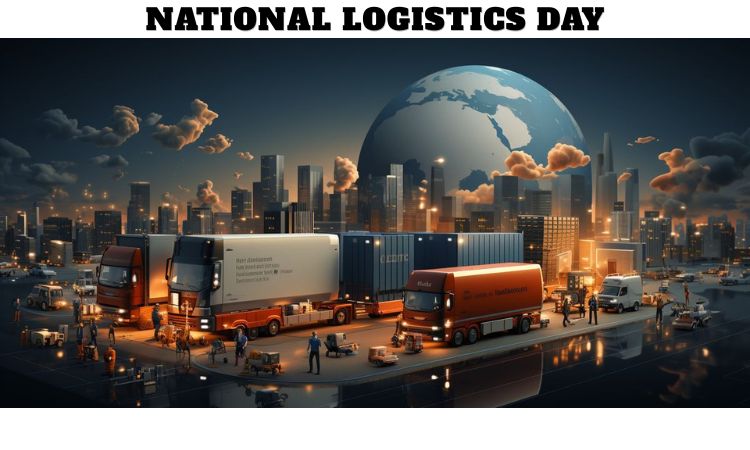
What Is National Logistics Day and Why Is It Celebrated on June 28?
National Logistics Day, observed annually on June 28, recognizes the critical role that logistics professionals, supply chain specialists, transportation providers, warehouse operators, and countless other industry participants play in keeping the global economy functioning efficiently. The observance celebrates the systems and people responsible for moving goods from manufacturers to consumers across cities, countries, and continents.
In today’s interconnected world, logistics affects nearly every aspect of daily life. From food and medicine to electronics and household products, consumers depend on complex logistics networks to ensure products arrive safely and on time. Without efficient logistics systems, businesses would struggle to operate, economies would slow, and access to essential goods would become significantly more difficult.
National Logistics Day highlights the importance of planning, coordination, innovation, and collaboration within the logistics sector. It also recognizes the dedication of professionals who work behind the scenes to maintain uninterrupted supply chains.
How Did National Logistics Day Originate?
National Logistics Day was established to raise awareness about the importance of logistics and supply chain management in supporting economic growth and global commerce. Although the exact origins of the observance are not extensively documented, the day was created to honor the professionals and organizations responsible for managing the movement, storage, and distribution of goods.
As globalization expanded and supply chains became increasingly sophisticated, the significance of logistics grew dramatically. Businesses began recognizing that effective logistics management directly influences customer satisfaction, operational efficiency, and profitability.
National Logistics Day emerged as an opportunity to acknowledge the industry’s contributions while promoting education and awareness regarding logistics careers, technological advancements, and supply chain best practices.
Over time, the observance has gained recognition among businesses, industry associations, educational institutions, and logistics professionals worldwide.
Why Is Logistics Important in Modern Society?
Logistics serves as the backbone of modern commerce. It ensures that raw materials reach manufacturers, finished products arrive at retailers, and essential supplies are delivered to consumers and organizations.
Efficient logistics systems contribute significantly to economic stability by facilitating trade, reducing costs, and supporting business growth. Virtually every industry relies on logistics to maintain operations and meet customer expectations.
The logistics sector supports numerous essential functions, including:
- Transportation of goods
- Inventory management
- Warehousing
- Distribution
- Procurement
- Order fulfillment
- Supply chain coordination
- International trade
Without effective logistics, shortages, delays, and disruptions could significantly affect businesses and consumers alike.
National Logistics Day emphasizes that logistics is not simply about transportation; it encompasses the entire process of managing the flow of goods, information, and resources.
What Does the Logistics Industry Include?
The logistics industry encompasses a broad range of interconnected activities designed to move products efficiently from origin to destination.
Major components of logistics include:
- Transportation management
- Warehousing and storage
- Inventory control
- Packaging
- Material handling
- Distribution management
- Freight forwarding
- Customs brokerage
- Supply chain planning
- Demand forecasting
Various transportation modes support logistics operations, including road, rail, air, maritime, and pipeline systems.
Each component plays an essential role in ensuring products reach customers in the right quantity, at the right place, and at the right time.
The integration of these functions allows businesses to optimize operations, reduce costs, and improve customer service.
How Does Logistics Support the Global Economy?
Global trade depends heavily on efficient logistics networks. Every day, millions of products move across international borders through carefully coordinated supply chains.
Logistics enables businesses to source materials globally, manufacture products efficiently, and distribute goods to markets worldwide. This interconnected system promotes economic growth, job creation, and international cooperation.
Efficient logistics contributes to the global economy by:
- Facilitating international trade
- Reducing transportation costs
- Supporting industrial production
- Expanding market access
- Improving supply chain reliability
- Enhancing competitiveness
- Encouraging economic development
As e-commerce and globalization continue to expand, logistics becomes increasingly vital to sustaining economic activity.
National Logistics Day highlights the industry’s indispensable contribution to global prosperity.
Why Are Supply Chains Essential to Logistics?
Supply chains represent the networks of organizations, resources, activities, and technologies involved in producing and delivering goods to end consumers.
Logistics functions as a critical component of supply chain management by coordinating the movement and storage of materials throughout the entire process.
An effective supply chain typically includes:
- Suppliers
- Manufacturers
- Distributors
- Warehouses
- Retailers
- Transportation providers
- Customers
Supply chain efficiency directly affects product availability, pricing, customer satisfaction, and business performance.
Disruptions at any point within the supply chain can create significant challenges, including delays, shortages, and increased costs. Consequently, organizations invest heavily in supply chain resilience and risk management strategies.
National Logistics Day recognizes the importance of maintaining strong, adaptable, and efficient supply chains.
How Has Technology Transformed Logistics Operations?
Technology has revolutionized logistics by improving visibility, efficiency, accuracy, and decision-making throughout supply chains.
Modern logistics organizations increasingly rely on advanced technologies to streamline operations and meet growing customer expectations.
Significant technological innovations include:
- Artificial intelligence
- Automation
- Robotics
- Internet of Things devices
- Global positioning systems
- Warehouse management software
- Transportation management systems
- Predictive analytics
- Cloud computing
- Blockchain technology
Real-time tracking systems now allow businesses and consumers to monitor shipments throughout the delivery process. Automated warehouses improve order accuracy and operational productivity.
Artificial intelligence supports demand forecasting, route optimization, and inventory management, helping organizations reduce costs and improve service levels.
National Logistics Day highlights the industry’s ongoing technological transformation and commitment to innovation.
What Challenges Does the Logistics Industry Face?
Despite its importance, the logistics industry encounters numerous challenges that require constant adaptation and strategic planning.
Common industry challenges include:
- Supply chain disruptions
- Rising fuel costs
- Labor shortages
- Regulatory compliance requirements
- Infrastructure limitations
- Geopolitical uncertainties
- Cybersecurity risks
- Environmental concerns
- Demand fluctuations
- Extreme weather events
Global events, natural disasters, and economic conditions can significantly affect logistics operations and supply chain performance.
Organizations increasingly focus on resilience, diversification, and contingency planning to minimize disruptions and maintain operational continuity.
National Logistics Day provides an opportunity to recognize the resilience and problem-solving capabilities demonstrated by logistics professionals.
Why Is Sustainability Becoming Important in Logistics?
Environmental sustainability has become a major priority within the logistics sector as organizations seek to reduce their ecological footprint.
Transportation activities contribute significantly to greenhouse gas emissions, prompting companies to adopt more sustainable practices.
Common sustainability initiatives include:
- Optimizing delivery routes
- Utilizing fuel-efficient vehicles
- Investing in electric transportation
- Reducing packaging waste
- Improving warehouse energy efficiency
- Implementing reverse logistics programs
- Consolidating shipments
- Using renewable energy sources
Consumers, governments, and investors increasingly expect organizations to operate responsibly and minimize environmental impacts.
Sustainable logistics practices not only benefit the environment but may also improve operational efficiency and reduce costs.
National Logistics Day encourages continued innovation in environmentally responsible supply chain management.
How Can Businesses Improve Logistics Efficiency?
Improving logistics efficiency is essential for maintaining competitiveness and delivering superior customer experiences.
Businesses can enhance logistics performance by:
- Leveraging advanced technologies
- Improving inventory management
- Strengthening supplier relationships
- Enhancing demand forecasting
- Optimizing transportation routes
- Investing in employee training
- Monitoring performance metrics
- Increasing supply chain visibility
- Diversifying supplier networks
- Implementing automation solutions
Continuous improvement initiatives help organizations identify inefficiencies and adapt to changing market conditions.
Effective collaboration among supply chain partners also contributes significantly to overall logistics success.
National Logistics Day emphasizes the importance of innovation, collaboration, and strategic planning in achieving operational excellence.
How Can People Celebrate National Logistics Day?
National Logistics Day offers numerous opportunities to recognize the contributions of logistics professionals and learn more about the industry.
Meaningful ways to celebrate include:
- Acknowledging logistics employees
- Participating in industry seminars
- Learning about supply chain management
- Exploring logistics career opportunities
- Visiting warehouses or distribution centers
- Sharing educational content about logistics
- Recognizing transportation workers
- Supporting professional development initiatives
- Discussing supply chain innovations
- Promoting appreciation for essential workers
Educational institutions may also organize workshops and presentations highlighting logistics careers and industry trends.
Businesses often use the occasion to celebrate employee achievements and recognize outstanding operational performance.
Why Does National Logistics Day Remain Relevant Today?
National Logistics Day remains highly relevant because modern society depends extensively on efficient supply chains and transportation systems. The rapid growth of e-commerce, globalization, and consumer expectations has elevated logistics to unprecedented importance.
Recent global disruptions have further demonstrated the critical role logistics professionals play in maintaining access to essential goods and services. Their ability to adapt, innovate, and overcome challenges ensures economic continuity and societal well-being.
The observance also promotes awareness of logistics as a dynamic and rewarding career field that offers opportunities across numerous industries.
As technological advancements continue reshaping supply chains, National Logistics Day will remain an important occasion for recognizing industry achievements and encouraging future innovation.
What Can We Learn from National Logistics Day?
National Logistics Day teaches us that efficient logistics systems are fundamental to modern life. The seamless availability of products often depends on extensive planning, sophisticated technology, and the dedication of countless professionals working behind the scenes.
The observance highlights the importance of collaboration, adaptability, and continuous improvement in managing complex supply chains. It also reminds us that resilient logistics networks contribute significantly to economic stability, business success, and consumer satisfaction.
By recognizing the contributions of logistics professionals, National Logistics Day fosters greater appreciation for an industry that connects producers, businesses, and consumers around the world.
National Logistics Day, celebrated annually on June 28, honors the professionals, technologies, and systems responsible for moving goods efficiently throughout global supply chains. From transportation and warehousing to inventory management and distribution, logistics influences virtually every aspect of modern commerce.
The observance highlights the industry’s economic significance while recognizing the innovation, resilience, and dedication required to maintain reliable supply chains. As global commerce continues to evolve, logistics will remain essential to supporting economic growth, meeting consumer demands, and ensuring access to vital products and services.
Frequently Asked Questions (FAQs)
1. When is National Logistics Day celebrated?
National Logistics Day is observed annually on June 28.
2. What is the purpose of National Logistics Day?
The day recognizes the importance of logistics professionals and supply chain operations in supporting commerce and economic growth.
3. What is logistics?
Logistics involves planning, managing, and coordinating the movement, storage, and distribution of goods and resources.
4. Why is logistics important?
Logistics ensures products are delivered efficiently, supporting businesses, consumers, and global trade.
5. What industries rely on logistics?
Virtually all industries, including retail, manufacturing, healthcare, agriculture, and e-commerce, depend on logistics.
6. How has technology impacted logistics?
Technology has improved efficiency through automation, real-time tracking, artificial intelligence, and advanced data analytics.
7. What are common logistics challenges?
Challenges include supply chain disruptions, labor shortages, fuel costs, and regulatory requirements.
8. Why is sustainability important in logistics?
Sustainability helps reduce environmental impacts while improving operational efficiency and meeting stakeholder expectations.
9. How can businesses improve logistics efficiency?
Businesses can leverage technology, optimize routes, improve forecasting, and strengthen supply chain collaboration.
10. How can people celebrate National Logistics Day?
People can recognize logistics professionals, learn about supply chains, and participate in educational activities.