

What Is National Remembrance Day in the Netherlands on May 4?
National Remembrance Day in the Netherlands, known as Dodenherdenking, is observed every year on May 4 as one of the nation’s most solemn and meaningful commemorations. Across the country, we honor all Dutch civilians and military personnel who lost their lives during World War II, as well as those who have died in wars and peacekeeping missions since then. This day stands as a powerful reminder of sacrifice, resilience, freedom, and the enduring cost of conflict.
From the bustling streets of Amsterdam to the smallest Dutch villages, the Netherlands pauses in silence to remember those who paid the ultimate price. National Remembrance Day is not simply a historical observance—it is a deeply emotional national tradition that shapes Dutch identity and reinforces our collective commitment to peace, justice, and liberty.
Why Is May 4 Significant in Dutch History?
May 4 holds profound significance because it precedes Liberation Day (Bevrijdingsdag) on May 5, which celebrates the end of Nazi occupation in the Netherlands in 1945. Together, these two dates create a poignant contrast between mourning and celebration.
During the German occupation from 1940 to 1945, the Netherlands endured immense suffering. Jewish communities were devastated, resistance fighters were persecuted, civilians faced famine during the Hunger Winter, and thousands were deported or executed. National Remembrance Day allows us to reflect on these tragic events while recognizing the broader sacrifices made in defense of freedom.
By dedicating May 4 to remembrance, the Netherlands ensures that the horrors of war are never forgotten and that future generations understand the value of democracy and peace.
How Is National Remembrance Day Observed Across the Netherlands?
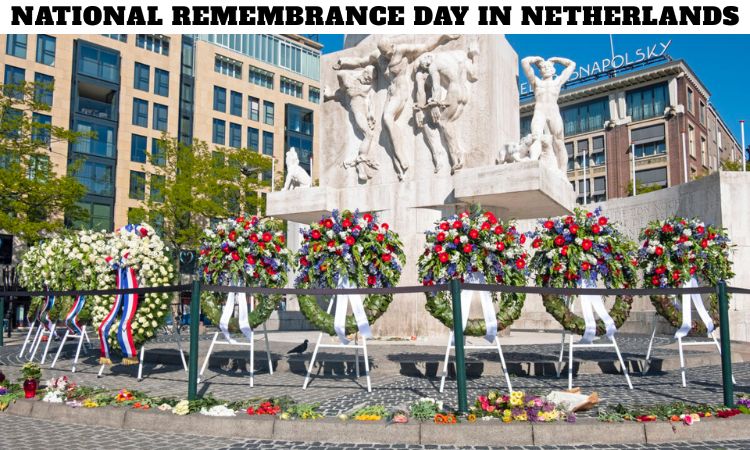
Throughout the country, ceremonies are held at war memorials, cemeteries, public squares, and historical landmarks. The most prominent national ceremony takes place at Dam Square in Amsterdam, where the Dutch royal family, government officials, veterans, and citizens gather at the National Monument.
At exactly 8:00 PM, the entire nation observes two minutes of silence. Public transportation stops, traffic halts, television and radio broadcasts pause, and daily life comes to a standstill. This extraordinary moment of collective silence symbolizes national unity and respect.
Other traditions include:
- Lowering flags to half-mast from 6:00 PM until sunset
- Wreath-laying ceremonies
- Memorial services in churches and public spaces
- Poetry readings and musical tributes
- Educational programs about wartime history
This coordinated observance demonstrates the deep respect embedded within Dutch culture.
What Happens During the Dam Square Ceremony?
The ceremony at Dam Square is the central focal point of National Remembrance Day. It begins with dignitaries and citizens gathering around the National Monument, a symbolic structure dedicated to those who died during WWII.
Key elements include:
- The sounding of the Taptoe signal before 8:00 PM
- Two minutes of complete silence
- The Dutch national anthem, Wilhelmus
- Speeches by national leaders
- Wreaths laid by the King and Queen
- Participation by war survivors, military representatives, and youth groups
The ceremony is broadcast nationwide, allowing millions to participate from home. This annual event reinforces national solidarity while preserving historical consciousness.
Who Do We Remember on National Remembrance Day?
Initially focused on victims of World War II, National Remembrance Day has evolved to honor:
- Dutch soldiers and resistance fighters killed during WWII
- Jewish victims of the Holocaust
- Civilians who perished under occupation
- Victims of colonial and post-colonial conflicts
- Dutch military personnel lost in international peacekeeping operations
This broadening of remembrance reflects the Netherlands’ recognition that sacrifice for freedom extends beyond one generation or one war.
How Do Schools and Communities Participate in Dodenherdenking?
Education plays a central role in preserving the meaning of National Remembrance Day. Schools across the Netherlands organize lessons, projects, and memorial visits to teach children about war, oppression, and freedom.
Students may:
- Adopt local war memorials
- Research stories of fallen soldiers
- Interview veterans or survivors
- Participate in youth remembrance ceremonies
Communities often hold local commemorations, ensuring that remembrance remains personal and relevant. By involving young people, we strengthen historical awareness and prevent the fading of collective memory.
Why Are Two Minutes of Silence So Powerful?
The two-minute silence is perhaps the most moving aspect of National Remembrance Day. In a world of constant noise, these moments of stillness create space for reflection, gratitude, and grief.
Silence transcends words. It allows us to remember individual lives lost, families broken, and freedoms defended. Whether standing in a crowded square or alone at home, we share a profound connection with millions of others.
This tradition underscores the Dutch belief that remembrance is an active civic responsibility, not a passive ritual.
What Is the Connection Between Remembrance Day and Liberation Day?
The transition from May 4 Remembrance Day to May 5 Liberation Day is deeply symbolic. On May 4, we mourn the losses of war; on May 5, we celebrate freedom regained.
Liberation Day marks the surrender of German forces in the Netherlands in 1945. Festivals, concerts, and educational events celebrate democracy, human rights, and national resilience.
Together, these two days create a meaningful national narrative:
Remembrance teaches us the cost of freedom. Liberation celebrates its value.
How Has National Remembrance Day Evolved?
Since its formal establishment after WWII, Dodenherdenking has expanded in both meaning and inclusivity. Modern commemorations now reflect broader themes such as:
- Human rights
- International peace
- Anti-discrimination
- Democratic values
As Dutch society becomes increasingly diverse, National Remembrance Day remains a unifying event that invites all citizens to reflect on shared values.
Why Does National Remembrance Day Matter Today?
In today’s world, where war, extremism, and social division persist, National Remembrance Day remains urgently relevant. It reminds us that freedom cannot be taken for granted.
By remembering past atrocities, we strengthen our resolve to oppose hatred, racism, and authoritarianism. National Remembrance Day encourages vigilance, empathy, and responsibility.
For the Netherlands, May 4 is not merely about history—it is about safeguarding the future.
How Can Visitors Respectfully Participate in National Remembrance Day?
Visitors to the Netherlands on May 4 are encouraged to respectfully observe traditions by:
- Joining public ceremonies
- Observing the two-minute silence
- Visiting memorials
- Learning about Dutch wartime history
- Following local customs with dignity
Participation offers a meaningful cultural experience and a deeper understanding of Dutch national identity.
What Lessons Does Dodenherdenking Teach Future Generations?
National Remembrance Day teaches timeless lessons:
Freedom requires sacrifice. Democracy demands protection. Memory preserves humanity.
By passing these lessons to future generations, the Netherlands ensures that remembrance remains a cornerstone of national life.
Frequently Asked Questions (FAQs)
1. When is National Remembrance Day in the Netherlands?
National Remembrance Day is observed annually on May 4.
2. What is Dodenherdenking?
Dodenherdenking is the Dutch term for National Remembrance Day, honoring war victims.
3. Why are two minutes of silence observed?
The silence honors those who died in wars and peacekeeping missions.
4. Where is the main ceremony held?
The primary national ceremony takes place at Dam Square in Amsterdam.
5. Is May 4 a public holiday in the Netherlands?
No, it is not a public holiday, but it is nationally observed.
6. What time does the national silence begin?
The two-minute silence begins at 8:00 PM.
7. Who participates in the Dam Square ceremony?
The Dutch royal family, officials, veterans, and citizens participate.
8. What follows National Remembrance Day?
Liberation Day on May 5 follows, celebrating freedom.
9. Are only WWII victims remembered?
No, all Dutch war victims and peacekeeping casualties are honored.
10. Why is National Remembrance Day important?
It preserves historical memory and reinforces commitment to peace and freedom.