

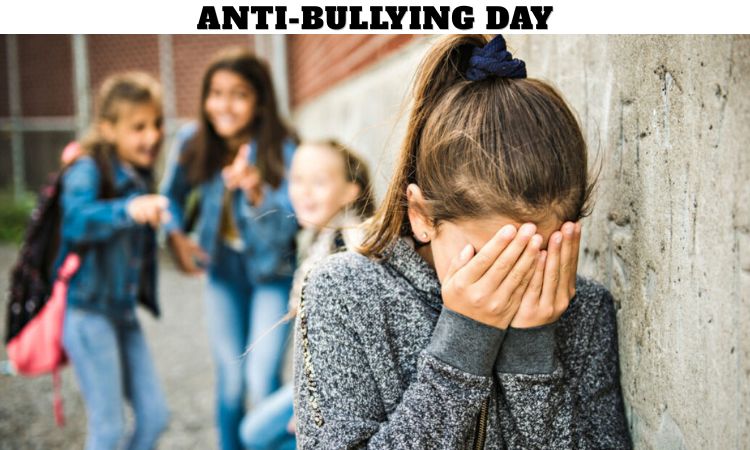
Anti-Bullying Day, observed on May 4, stands as a powerful reminder that we all share responsibility for creating respectful, inclusive, and safe environments for children, teenagers, and adults alike. Across schools, workplaces, and communities, bullying continues to affect millions of lives, leaving emotional, psychological, and sometimes physical scars. On this important day, we come together to raise awareness, inspire action, and strengthen our commitment to kindness, acceptance, and prevention.
Bullying is not simply a childhood issue or a harmless rite of passage. It is a destructive behavior that can undermine confidence, damage mental health, and impact a person’s future. Anti-Bullying Day serves as a call for collective responsibility, encouraging us to challenge harmful behaviors, support victims, and foster cultures rooted in empathy.
What Is Anti-Bullying Day and Why Is May 4 Important?
Anti-Bullying Day is dedicated to spreading awareness about the harmful effects of bullying and promoting strategies to prevent it. While anti-bullying initiatives occur globally throughout the year, May 4 offers a focused opportunity to highlight the urgency of standing against intimidation, harassment, exclusion, and abuse.
This observance encourages schools, organizations, parents, and communities to engage in conversations about bullying prevention, bystander intervention, and emotional resilience. It reminds us that every action—whether speaking out, educating others, or offering support—can contribute to safer environments.
May 4 symbolizes solidarity with those who have experienced bullying and reinforces the message that no one should suffer in silence.
How Did Anti-Bullying Day Begin?
The roots of Anti-Bullying Day are closely linked to grassroots activism. It emerged from efforts to protect vulnerable students and challenge social cruelty. One of the most recognized inspirations came when students organized movements to support peers who were bullied for their appearance or choices.
The concept gained traction as communities realized the widespread consequences of bullying, from depression and anxiety to academic struggles and social isolation. Today, Anti-Bullying Day is recognized as an essential awareness campaign that emphasizes prevention, compassion, and intervention.
By honoring this day, we continue the mission started by courageous individuals who believed that standing together can dismantle bullying culture.
What Are the Different Types of Bullying We Must Recognize?
To effectively combat bullying, we must understand its many forms:
- Physical Bullying: Hitting, pushing, tripping, or damaging belongings.
- Verbal Bullying: Name-calling, insults, threats, or offensive comments.
- Social Bullying: Spreading rumors, exclusion, humiliation, or damaging reputations.
- Cyberbullying: Harassment through social media, texts, online forums, or digital platforms.
- Workplace Bullying: Repeated mistreatment, intimidation, or harassment in professional environments.
Recognizing these forms is crucial because bullying often extends beyond visible physical acts. Emotional and digital bullying can be equally harmful and often more difficult to detect.
Why Does Bullying Have Such Serious Consequences?
Bullying can have devastating short-term and long-term effects on victims. Emotional trauma can shape self-worth, social confidence, and mental wellness for years.
Common consequences include:
- Anxiety and depression
- Low self-esteem
- Academic decline
- Social withdrawal
- Self-harm risks
- Post-traumatic stress
For children and adolescents, bullying can interfere with developmental milestones, while adults may experience professional setbacks and emotional distress.
The impact also extends to bystanders and bullies themselves, as toxic environments damage community trust and normalize aggression.
How Can Schools Play a Leading Role in Bullying Prevention?
Schools are among the most critical spaces for anti-bullying action because they shape social development. Effective prevention requires more than punishment—it demands education, accountability, and support systems.
Schools can lead by:
- Establishing clear anti-bullying policies
- Providing counseling services
- Teaching empathy and conflict resolution
- Encouraging anonymous reporting systems
- Training staff to recognize warning signs
- Promoting inclusive activities
Educational institutions must create cultures where students feel protected, heard, and respected.
What Role Do Parents and Families Have in Stopping Bullying?
Parents are essential in identifying bullying and nurturing resilience. Open communication at home can help children feel safe discussing difficult experiences.
Families can support anti-bullying efforts by:
- Teaching kindness and empathy early
- Monitoring online behavior
- Recognizing behavioral changes
- Encouraging self-confidence
- Reporting concerns promptly
- Modeling respectful interactions
When families actively engage, children gain stronger emotional tools to navigate challenges and advocate for themselves.
How Does Cyberbullying Make Modern Prevention More Urgent?
The rise of social media has transformed bullying into a 24/7 threat. Cyberbullying allows harmful behavior to follow victims beyond classrooms and workplaces, often reaching them in spaces once considered safe.
Cyberbullying may include:
- Public shaming
- Threatening messages
- Fake profiles
- Image-based harassment
- Online rumors
Because digital attacks can spread rapidly and anonymously, prevention requires digital literacy, platform accountability, and stronger online safety practices.
We must educate individuals about responsible online behavior and encourage reporting harmful digital conduct.
How Can We Be Effective Bystanders Instead of Silent Witnesses?
Bystanders hold immense power. Silence can unintentionally empower bullies, while intervention can stop harmful behavior.
Effective bystander actions include:
- Speaking up safely
- Supporting the target privately
- Reporting incidents
- Refusing to participate
- Promoting kindness publicly
Anti-Bullying Day reminds us that courage often begins with one voice refusing to accept cruelty.
What Are Meaningful Ways to Observe Anti-Bullying Day on May 4?
Participating in Anti-Bullying Day can create real impact. Communities can engage through:
- Wearing symbolic colors or shirts
- Hosting awareness campaigns
- Organizing school assemblies
- Sharing educational resources
- Creating kindness pledges
- Supporting anti-bullying organizations
- Conducting workshops
These actions reinforce awareness while transforming intention into visible solidarity.
How Can Workplaces Apply Anti-Bullying Principles?
Bullying does not end in childhood. Workplace bullying affects morale, productivity, and mental health. Employers must prioritize respectful cultures by:
- Enforcing anti-harassment policies
- Providing HR support
- Training leadership
- Encouraging reporting
- Protecting employees from retaliation
Healthy workplaces foster dignity, collaboration, and accountability.
What Is the Long-Term Vision of Anti-Bullying Day?
The true mission of Anti-Bullying Day is cultural transformation. Beyond one day of awareness, it seeks to build generations that reject cruelty and embrace compassion.
Long-term goals include:
- Safer schools
- Inclusive communities
- Healthier digital spaces
- Respectful workplaces
- Better mental health outcomes
By choosing empathy over aggression, we redefine societal standards.
How Do We Move Forward Together Against Bullying?
Anti-Bullying Day on May 4 is more than an observance—it is a movement. It challenges us to confront harmful behaviors, support those affected, and create environments where everyone feels safe and valued.
Bullying thrives in silence, but awareness, education, and action can dismantle it. Together, we shape a world where kindness is strength, inclusion is standard, and bullying has no place.
Every conversation matters. Every intervention counts. Every act of compassion builds change.
Frequently Asked Questions (FAQs)
1. When is Anti-Bullying Day observed?
Anti-Bullying Day is observed annually on May 4.
2. What is the purpose of Anti-Bullying Day?
Its purpose is to raise awareness about bullying prevention and encourage kindness, inclusion, and support.
3. Who can participate in Anti-Bullying Day?
Students, teachers, parents, workplaces, and communities can all participate.
4. What color is associated with anti-bullying awareness?
Pink is often associated with anti-bullying campaigns.
5. Why is cyberbullying especially dangerous?
Cyberbullying can happen anytime, spread quickly, and often involves anonymity.
6. How can schools prevent bullying?
Through policies, education, counseling, and fostering inclusive environments.
7. Can adults experience bullying?
Yes, bullying can occur in workplaces and social settings.
8. What should someone do if they are being bullied?
Seek support, report incidents, and avoid facing bullying alone.
9. How can bystanders help stop bullying?
By speaking up, supporting victims, and reporting harmful behavior.
10. Why does Anti-Bullying Day matter globally?
It promotes universal respect, mental well-being, and safer communities.