

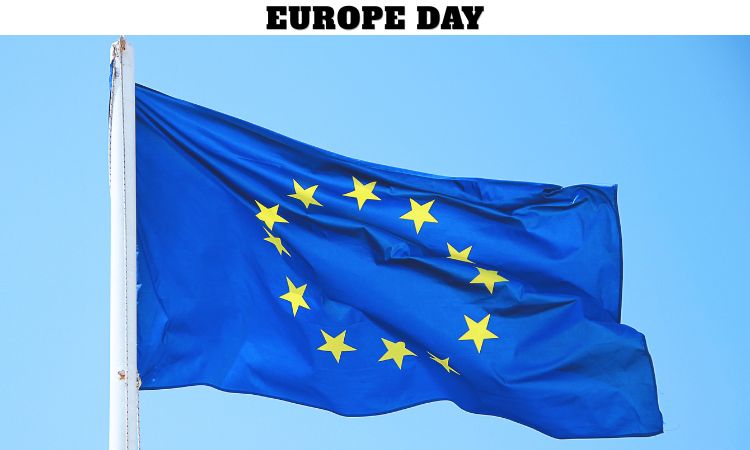
What Is Europe Day on May 5, and Why Does It Hold Historical Importance?
Europe Day on May 5 marks a significant milestone in European history, celebrating peace, unity, democracy, and cooperation across the continent. Observed annually to commemorate the founding of the Council of Europe on May 5, 1949, this day symbolizes Europe’s commitment to protecting human rights, promoting democratic values, and fostering collaboration among nations after the devastation of World War II.
Although another Europe Day is celebrated on May 9 by the European Union to honor the Schuman Declaration, May 5 Europe Day specifically recognizes the establishment of the Council of Europe, a broader institution focused on democracy, human rights, and the rule of law. This distinction makes May 5 a vital date in understanding Europe’s post-war reconstruction and its journey toward political and social unity.
Europe Day is more than a ceremonial observance; it serves as a reminder of the importance of peace in a region once divided by conflict. It reflects how European nations chose diplomacy and collective progress over division.
Why Was the Council of Europe Created on May 5, 1949?
The Council of Europe was founded in London on May 5, 1949, by ten European countries determined to prevent future wars and promote shared democratic principles. Europe had endured two catastrophic world wars, and leaders recognized that sustainable peace required structured cooperation.
The founding members were:
- Belgium
- Denmark
- France
- Ireland
- Italy
- Luxembourg
- Netherlands
- Norway
- Sweden
- United Kingdom
Their mission centered on:
- Protecting human rights
- Promoting democracy
- Strengthening the rule of law
- Encouraging cultural cooperation
- Advancing social progress
One of the Council’s most important achievements was the creation of the European Convention on Human Rights in 1950, which established protections for individual freedoms and led to the creation of the European Court of Human Rights.
How Is Europe Day Different from European Union Day on May 9?
Many people confuse May 5 Europe Day with May 9 Europe Day, but they represent different institutions and historical events.
May 5:
- Celebrates the founding of the Council of Europe
- Focuses on democracy, human rights, and legal standards
- Includes countries beyond the European Union
May 9:
- Celebrates the Schuman Declaration of 1950
- Marks the origins of the European Union
- Focuses on economic and political integration
Understanding this distinction is essential because May 5 honors broader European cooperation that extends beyond EU membership.
What Values Does Europe Day Represent?
Europe Day symbolizes a powerful set of values that continue shaping modern Europe:
- Peace: After centuries of wars, Europe Day represents reconciliation and stability.
- Unity: It highlights cooperation among diverse cultures, languages, and nations.
- Human Rights: Europe Day reinforces protections for freedom, dignity, and justice.
- Democracy: It promotes democratic governance and citizen participation.
- Cultural Diversity: Europe’s strength lies in its varied traditions and shared heritage.
These values remain crucial in addressing modern challenges such as migration, political polarization, economic inequality, and climate change.
How Is Europe Day Celebrated Across Europe?
Europe Day on May 5 is marked through educational, cultural, and political events across member states of the Council of Europe.
Common celebrations include:
- Public discussions on democracy and rights
- School programs about European history
- Cultural festivals
- Exhibitions on European heritage
- Government ceremonies
- Flag displays
- Community dialogues
Educational institutions often use this day to teach younger generations about Europe’s journey from war to unity, emphasizing the importance of preserving democratic institutions.
Why Is Europe Day Relevant in the Modern World?
In today’s rapidly changing global environment, Europe Day remains highly relevant. Europe faces challenges such as geopolitical tensions, digital security concerns, social inequality, climate change, and refugee crises.
Europe Day serves as a reminder that:
- Cooperation is stronger than division
- Human rights must remain protected
- Democracy requires constant defense
- International dialogue is essential
As nationalism and political fragmentation rise in some regions, Europe Day encourages citizens to reflect on the progress made through solidarity and collective responsibility.
What Role Does the Council of Europe Play Today?
The Council of Europe remains one of the continent’s leading institutions for democratic governance and legal standards. With dozens of member states, it continues to influence European policies through conventions, recommendations, and judicial oversight.
Current areas of focus include:
- Human rights protection
- Anti-discrimination laws
- Cybercrime prevention
- Media freedom
- Gender equality
- Youth engagement
- Cultural preservation
The European Court of Human Rights allows citizens to challenge violations, making it a powerful institution for accountability.
How Does Europe Day Promote Cultural Identity?
Europe is home to hundreds of languages, traditions, cuisines, and historical narratives. Europe Day encourages appreciation for both shared identity and national uniqueness.
Through music, literature, food festivals, and intercultural exchanges, Europe Day promotes:
- Mutual respect
- Cross-border friendship
- Historical awareness
- Educational exchange
- Preservation of traditions
This balance between unity and diversity remains one of Europe’s defining strengths.
What Challenges Does Europe Face in Upholding Europe Day Ideals?
Despite its achievements, Europe continues to confront serious issues:
- Political division: Populism and polarization can threaten democratic institutions.
- Human rights concerns: Refugee treatment and minority rights remain debated.
- Economic disparities: Wealth gaps between regions persist.
- Security threats: Cyberattacks and geopolitical instability require coordinated action.
- Climate crisis: Environmental sustainability demands joint solutions.
Europe Day reminds us that unity is an ongoing project rather than a completed achievement.
How Can Citizens Participate Meaningfully in Europe Day?
Citizens can actively engage in Europe Day by:
- Learning about European history
- Attending public forums
- Supporting democratic institutions
- Promoting tolerance
- Participating in cultural exchange
- Educating youth
- Advocating for human rights
Europe Day becomes most meaningful when individuals connect its historical lessons to present-day civic responsibilities.
Why Does Europe Day Matter for Future Generations?
For younger generations, Europe Day is a lesson in how peace is built—not inherited automatically. It teaches that cooperation, diplomacy, and democratic values require active participation.
Future generations face new challenges, including artificial intelligence ethics, climate adaptation, migration pressures, and global economic shifts. Europe Day’s message of collaboration provides a framework for addressing these issues collectively.
By understanding May 5, young Europeans and global citizens alike can appreciate how institutions, treaties, and shared values shape a more peaceful world.
Frequently Asked Questions (FAQs)
1. What is Europe Day on May 5?
Europe Day on May 5 commemorates the founding of the Council of Europe in 1949 and celebrates democracy, human rights, and European unity.
2. Why is May 5 important in European history?
It marks the creation of the Council of Europe after World War II to promote peace and cooperation.
3. Is Europe Day the same as May 9 Europe Day?
No, May 5 celebrates the Council of Europe, while May 9 marks the Schuman Declaration and the European Union’s origins.
4. What is the Council of Europe?
It is an international organization promoting human rights, democracy, and the rule of law across Europe.
5. How is Europe Day celebrated?
Through educational events, cultural festivals, political discussions, and awareness campaigns.
6. Who founded the Council of Europe?
Ten European countries founded it in London on May 5, 1949.
7. What are the main values of Europe Day?
Peace, unity, democracy, human rights, and cultural diversity.
8. Why is Europe Day relevant today?
It highlights the importance of cooperation in addressing modern social, political, and environmental challenges.
9. Does Europe Day only apply to EU countries?
No, May 5 Europe Day relates to the Council of Europe, which includes more countries than the EU.
10. How can students participate in Europe Day?
Students can learn about European history, join discussions, attend events, and promote democratic values.