

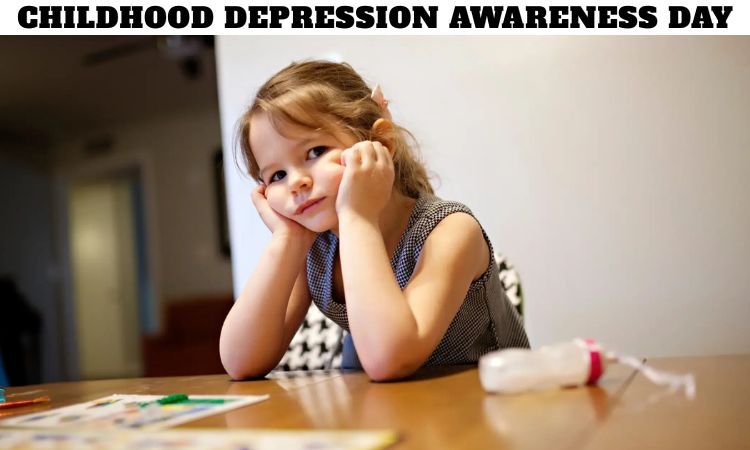
What Is Childhood Depression Awareness Day and Why Does May 5 Matter So Deeply?
Childhood Depression Awareness Day, observed on May 5, serves as a vital reminder that mental health challenges do not begin in adulthood. Depression in children is real, serious, and often overlooked because symptoms are frequently mistaken for mood swings, behavioral problems, or developmental phases. On this important day, we recognize the emotional struggles millions of children silently endure and strengthen our commitment to awareness, early detection, and compassionate support.
As we focus on Childhood Depression Awareness Day, we understand that children experience sadness differently from adults. Their pain may emerge through irritability, withdrawal, academic decline, sleep issues, or physical complaints rather than direct expressions of hopelessness. By increasing awareness, we can help families, educators, healthcare professionals, and communities identify warning signs before emotional suffering escalates.
This observance is not just about recognition—it is about prevention, education, and life-saving intervention.
How Common Is Childhood Depression in Today’s World?
Childhood depression is more widespread than many realize. Millions of children globally face depressive disorders, and rates continue to rise due to social pressures, trauma, academic stress, family instability, bullying, and digital overstimulation.
Research consistently shows that children as young as three years old can display clinical symptoms of depression. School-aged children and adolescents are particularly vulnerable due to increasing social awareness, peer pressure, and emotional development challenges.
Common contributing factors include:
- Family history of depression
- Trauma or abuse
- Chronic illness
- Social isolation
- Bullying
- Loss of a loved one
- Academic pressure
- Low self-esteem
Recognizing prevalence is essential because untreated childhood depression often continues into adolescence and adulthood, increasing risks of substance abuse, anxiety disorders, and suicidal thoughts.
What Are the Warning Signs of Depression in Children?
Childhood depression often looks different from adult depression, making awareness crucial. Instead of obvious sadness, symptoms may present as behavioral or physical changes.
Key warning signs include:
- Persistent sadness or irritability
- Frequent crying
- Loss of interest in play or hobbies
- Social withdrawal
- Changes in appetite
- Sleep disturbances
- Fatigue
- Difficulty concentrating
- Declining school performance
- Feelings of worthlessness
- Physical complaints like headaches or stomachaches
- Thoughts of self-harm
Children may not have the vocabulary to explain emotional pain, so behavior often becomes their language. On Childhood Depression Awareness Day, we emphasize observing patterns rather than dismissing them.
Why Is Childhood Depression Often Misunderstood?
Many adults assume children are too young to experience serious depression, which creates dangerous delays in diagnosis. This misconception can prevent children from receiving necessary support.
Several barriers contribute to misunderstanding:
- Emotional struggles dismissed as “just a phase.”
- Behavioral symptoms mistaken for discipline problems
- Stigma around mental health
- Lack of mental health education
- Fear of labeling children
- Limited access to child psychologists
Because children are still developing emotionally and cognitively, depression may not appear in conventional ways. Instead of verbalizing despair, they may act out, become aggressive, or disengage.
Awareness transforms misunderstanding into action.
How Does Childhood Depression Affect Development?
Depression impacts every aspect of a child’s growth, from emotional maturity to academic performance. Untreated depression can disrupt critical developmental milestones.
Potential long-term effects include:
- Poor academic achievement
- Relationship difficulties
- Increased anxiety
- Risk of substance misuse
- Reduced self-confidence
- Emotional dysregulation
- Higher suicide risk
When depression interferes with childhood development, it can shape identity, coping skills, and future mental health. Early intervention significantly improves outcomes and helps children build resilience.
What Causes Childhood Depression?
Childhood depression is complex and rarely caused by one factor alone. Biological, psychological, and environmental influences often interact.
Major causes include:
- Genetics: A family history of mood disorders can increase susceptibility.
- Brain chemistry: Neurotransmitter imbalances may contribute.
- Trauma: Abuse, neglect, or major life disruptions can trigger depressive episodes.
- Bullying: Emotional and social harm can deeply impact self-worth.
- Family conflict: Divorce, instability, or parental mental illness may elevate emotional distress.
- Social media and technology: Comparison culture and cyberbullying increasingly affect young minds.
By understanding these causes, we can better tailor prevention and support systems.
How Can Parents Support a Child With Depression?
Parents play a foundational role in emotional healing. A supportive home environment can dramatically improve recovery outcomes.
Effective parental strategies include:
- Listening without judgment
- Validating feelings
- Creating predictable routines
- Seeking professional help
- Encouraging healthy sleep
- Promoting physical activity
- Reducing stress
- Monitoring digital exposure
- Collaborating with teachers
Open communication is essential. Children need to know their emotions are taken seriously and that seeking help is a strength, not a weakness.
What Treatments Are Available for Childhood Depression?
Childhood depression is treatable, especially when identified early. Comprehensive treatment often combines therapy, family support, and lifestyle adjustments.
Common treatment options:
- Cognitive Behavioral Therapy (CBT): Helps children identify negative thought patterns.
- Play Therapy: Especially effective for younger children.
- Family Therapy: Strengthens support systems.
- School Counseling: Provides educational and emotional assistance.
- Medication: In some cases, antidepressants may be prescribed under close medical supervision.
- Lifestyle interventions: Exercise, nutrition, sleep, and structured routines support emotional stability.
Treatment should always be individualized, age-appropriate, and professionally guided.
Why Is School Awareness Critical for Childhood Depression Prevention?
Schools are often the first place where warning signs become visible. Teachers, counselors, and peers can play a major role in early detection.
Important school-based initiatives include:
- Mental health education
- Anti-bullying programs
- Counseling access
- Emotional literacy training
- Safe communication spaces
When schools prioritize mental health, children are more likely to seek help before symptoms worsen.
How Can Communities Observe Childhood Depression Awareness Day?
May 5 provides an opportunity for collective action. Awareness campaigns can reduce stigma and promote education.
Meaningful ways to participate include:
- Hosting workshops
- Sharing educational resources
- Supporting child mental health nonprofits
- Organizing school events
- Promoting mental wellness screenings
- Encouraging family discussions
Community engagement transforms awareness into prevention.
What Message Should We Share on Childhood Depression Awareness Day?
Every child deserves to feel seen, heard, and supported. Depression is not weakness, misbehavior, or failure—it is a mental health condition requiring understanding and care.
By recognizing symptoms early, removing stigma, and creating emotionally safe environments, we can help children heal and thrive. Childhood Depression Awareness Day reminds us that protecting young minds is a shared responsibility.
Frequently Asked Questions (FAQs)
1. What is Childhood Depression Awareness Day?
Childhood Depression Awareness Day on May 5 raises awareness about depression in children, emphasizing early detection, support, and mental health education.
2. Can young children really experience depression?
Yes, children of all ages can experience depression, including preschool-aged children.
3. What are common symptoms of childhood depression?
Symptoms include sadness, irritability, social withdrawal, sleep problems, appetite changes, and academic struggles.
4. Is childhood depression treatable?
Yes, therapy, family support, and professional care can effectively treat childhood depression.
5. What causes childhood depression?
Causes may include genetics, trauma, bullying, family conflict, and environmental stress.
6. How can schools help depressed children?
Schools can provide counseling, anti-bullying initiatives, and mental health education.
7. When should parents seek professional help?
If symptoms persist for weeks or interfere with daily functioning, professional evaluation is important.
8. Can bullying lead to depression in children?
Yes, bullying is a significant risk factor for childhood depression.
9. Why is awareness important?
Awareness reduces stigma, promotes early intervention, and improves access to support.
10. How can communities support Childhood Depression Awareness Day?
Communities can host educational events, fundraisers, awareness campaigns, and mental health initiatives.