

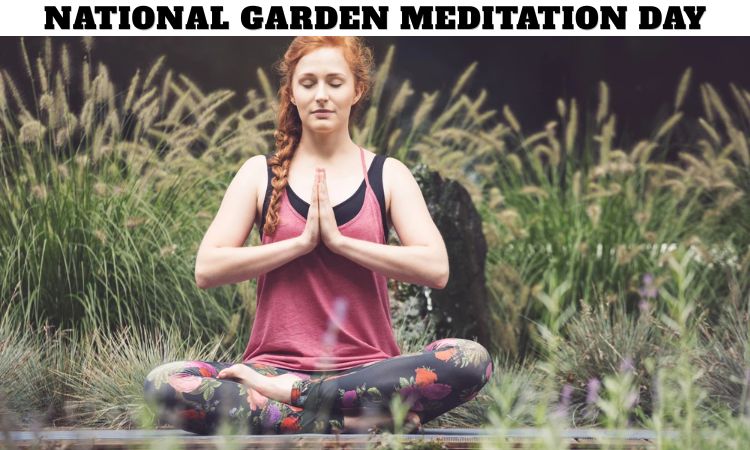
What Is National Garden Meditation Day, and Why Is It Celebrated on May 3?
National Garden Meditation Day, observed annually on May 3, is a meaningful celebration that encourages us to reconnect with nature, quiet the mind, and embrace mindfulness in outdoor spaces. This peaceful observance combines the restorative power of meditation with the calming influence of gardens, creating a unique opportunity to nurture emotional balance, mental clarity, and spiritual well-being.
In an increasingly busy and digitally driven world, National Garden Meditation Day reminds us to slow down and rediscover tranquility through the natural environment. Gardens—whether expansive botanical landscapes, neighborhood parks, backyard sanctuaries, or balcony plant spaces—offer a serene setting where we can reflect, breathe deeply, and restore inner harmony.
This day celebrates more than gardening or meditation alone. It highlights the profound connection between humans and the natural world, encouraging us to cultivate peace not only around us but also within us.
Why Are Gardens Considered Ideal Spaces for Meditation?
Gardens have long been associated with healing, reflection, and spiritual renewal. Across cultures and centuries, sacred gardens, Zen landscapes, monastery courtyards, and botanical sanctuaries have served as places of contemplation.
Gardens support meditation because they engage the senses gently and naturally:
- The sound of birdsong
- Rustling leaves
- Fragrant flowers
- Flowing water
- Warm sunlight
- Fresh air
- Natural colors and textures
These sensory elements create an environment that reduces mental noise and encourages presence. Unlike indoor spaces, gardens offer dynamic yet calming stimuli that help us focus without overwhelming the mind.
Nature’s rhythms also remind us of patience, growth, and balance, making gardens deeply symbolic spaces for mindfulness practice.
How Does Garden Meditation Benefit Mental Health?
Meditation itself is widely recognized for reducing stress, anxiety, and emotional tension. When practiced in a garden, these benefits often become even more profound because of the added therapeutic effects of nature.
Mental Health Benefits Include:
- Reduced stress hormone levels
- Improved focus
- Lower anxiety
- Enhanced emotional regulation
- Better sleep quality
- Increased mindfulness
- Reduced symptoms of depression
Exposure to green spaces has been linked to lower cortisol levels and improved mood. Combining meditation with gardening environments creates a holistic approach to mental wellness.
National Garden Meditation Day encourages us to use nature as a natural ally in emotional healing.
What Are the Physical Benefits of Meditating in a Garden?
Garden meditation can positively impact physical health by encouraging relaxation and healthy breathing.
Physical Benefits Include:
- Lower blood pressure
- Reduced heart rate
- Improved oxygen flow
- Strengthened immune function
- Reduced muscle tension
- Enhanced energy levels
Sunlight exposure may also support vitamin D production, while fresh air contributes to respiratory comfort. Together, meditation and outdoor presence can create a deeply restorative physical experience.
How Have Different Cultures Connected Gardens and Meditation?
Throughout history, many civilizations have used gardens as sacred places for reflection and spiritual practice.
Examples Include:
Japanese Zen Gardens
Designed for contemplation, simplicity, and mindfulness.
Chinese Scholar Gardens
Created for reflection, philosophy, and harmony.
Indian Ashram Gardens
Used for yoga, meditation, and spiritual connection.
Monastic Cloister Gardens
European monasteries cultivated peaceful enclosed gardens for prayer.
Islamic Paradise Gardens
Symbolized spiritual beauty and divine peace.
These traditions demonstrate that gardens have consistently been viewed as sanctuaries for the soul.
What Are the Best Ways to Practice Garden Meditation?
National Garden Meditation Day can be observed through a variety of simple yet meaningful practices.
Popular Garden Meditation Techniques Include:
Mindful Breathing
Sit quietly and focus on your breath while observing nature.
Walking Meditation
Slowly walk through a garden, paying attention to each step.
Sensory Awareness Meditation
Notice sounds, scents, colors, and textures without judgment.
Gratitude Reflection
Reflect on growth, beauty, and life cycles.
Guided Meditation
Use calming prompts while seated outdoors.
The goal is not perfection but presence—fully experiencing the moment within nature.
Why Is Gardening Itself a Form of Meditation?
Gardening can also be meditative because repetitive, intentional actions create focus and calm. Planting seeds, watering flowers, pruning leaves, and caring for soil all require attention and patience.
Gardening teaches valuable mindfulness lessons:
- Growth takes time
- Change is natural
- Care creates beauty
- Seasons shift
- Patience is essential
This process can quiet mental clutter and foster emotional grounding. For many people, gardening becomes an active meditation practice.
How Can National Garden Meditation Day Improve Modern Lifestyles?
Today’s constant notifications, crowded schedules, and digital fatigue often leave little room for stillness. National Garden Meditation Day offers a practical antidote by encouraging us to step away from screens and reconnect with ourselves.
Modern Benefits Include:
- Digital detox
- Emotional reset
- Increased productivity through mental clarity
- Better stress management
- Greater appreciation for simple pleasures
Even a short meditation session in a garden can create meaningful psychological relief.
How Can Families and Communities Celebrate National Garden Meditation Day?
This observance can be both personal and communal. Families, schools, and wellness groups can create shared experiences that promote mindfulness and environmental appreciation.
Celebration Ideas Include:
- Community garden meditation events
- Family gardening projects
- Outdoor yoga sessions
- Botanical garden visits
- Mindfulness workshops
- Planting trees or flowers
- Journaling in nature
These activities strengthen both personal well-being and community connection.
Why Is National Garden Meditation Day Important for Environmental Awareness?
This day also reminds us that our mental health is deeply connected to the health of our environment. By spending mindful time in gardens, we often develop greater appreciation for conservation, biodiversity, and sustainability.
Gardens support:
- Pollinators
- Air quality
- Biodiversity
- Local ecosystems
- Personal ecological awareness
Meditating in a garden can inspire environmental stewardship by deepening our sense of connection with the natural world.
What Is the Lasting Message of National Garden Meditation Day?
National Garden Meditation Day is a celebration of stillness, growth, and harmony. It reminds us that peace does not always require grand gestures; sometimes it begins with sitting quietly among flowers, trees, and sunlight.
By combining meditation with nature, we cultivate resilience, gratitude, and emotional healing. This day encourages us to create sacred pauses in our lives, reconnect with the earth, and nurture the gardens both around us and within us.
Frequently Asked Questions (FAQs)
1. When is National Garden Meditation Day celebrated?
National Garden Meditation Day is celebrated every year on May 3.
2. What is the purpose of National Garden Meditation Day?
It encourages mindfulness, relaxation, and healing through meditation in garden settings.
3. Do I need a large garden to participate?
No, any green space, such as a backyard, balcony, park, or botanical garden, can work.
4. What are the benefits of garden meditation?
Benefits include reduced stress, improved focus, emotional balance, and physical relaxation.
5. Can gardening itself be meditative?
Yes, gardening can promote mindfulness through focused, calming activity.
6. Is garden meditation suitable for beginners?
Yes, it is accessible for all experience levels.
7. How long should garden meditation last?
Even 10–15 minutes can be beneficial, though longer sessions may deepen relaxation.
8. Can children participate in National Garden Meditation Day?
Yes, children can enjoy mindful gardening and outdoor relaxation activities.
9. Why are gardens calming?
Gardens provide sensory peace through natural sounds, sights, and fresh air.
10. How can communities celebrate this day?
Communities can host garden events, meditation workshops, or environmental projects.