

What Is International Firefighters’ Day and Why Is It Observed on May 4?
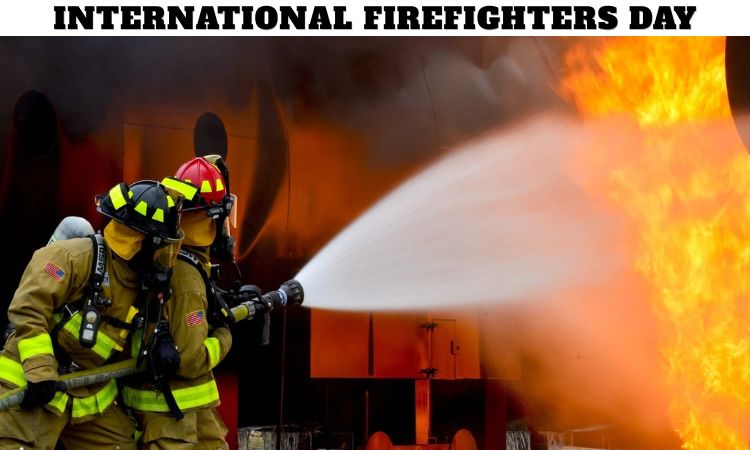
International Firefighters Day (IFFD) is observed every year on May 4 to recognize the bravery, sacrifice, and unwavering dedication of firefighters across the globe. This important day honors the men and women who risk their lives to protect communities from fires, disasters, emergencies, and life-threatening situations.
The date of May 4 holds special significance because it coincides with Saint Florian’s Day. Saint Florian, the patron saint of firefighters, was a Roman military officer known for organizing firefighting brigades and protecting communities from devastating fires. Over centuries, Saint Florian became a symbol of courage and selfless public service.
International Firefighters Day was formally established in 1999 after a tragic wildfire in Australia claimed the lives of five firefighters. Their sacrifice inspired a global movement to create a dedicated day that would both commemorate fallen heroes and show gratitude to active firefighters everywhere.
Today, International Firefighters Day is a universal reminder of the extraordinary commitment firefighters make every day, often placing themselves in danger to save lives, property, and the environment.
How Did International Firefighters’ Day Begin?
The origins of International Firefighters Day trace back to the Linton bushfire disaster in Victoria, Australia, on December 2, 1998. During a fierce wildfire, five volunteer firefighters lost their lives while battling flames under dangerous and unpredictable conditions.
This tragedy deeply affected firefighting communities worldwide. In response, a campaign emerged to establish a global day of remembrance and appreciation. The initiative quickly gained international support, and May 4 was chosen as the annual date of observance.
Since then, International Firefighters Day has grown into a meaningful occasion marked by ceremonies, tributes, educational programs, and community support.
Why Are Firefighters Essential to Society?
Firefighters perform far more than fire suppression. They are among the most versatile and critical emergency responders in modern society.
Their responsibilities include:
- Fire prevention and suppression
- Rescue operations during accidents
- Emergency medical response
- Natural disaster assistance
- Hazardous materials containment
- Building safety inspections
- Public education on fire safety
Firefighters often arrive first during crises, making life-saving decisions under intense pressure. Their role combines physical endurance, technical expertise, and emotional resilience.
Communities depend on firefighters not only during emergencies but also for prevention, preparedness, and recovery.
What Risks Do Firefighters Face Every Day?
Firefighting is one of the world’s most dangerous professions. Firefighters routinely encounter:
- Extreme heat and flames
- Structural collapses
- Toxic smoke inhalation
- Explosions
- Hazardous chemicals
- Physical exhaustion
- Psychological trauma
Beyond immediate dangers, many firefighters face long-term health risks such as respiratory illness, cardiovascular disease, and cancer due to prolonged exposure to smoke and chemicals.
Mental health challenges are also significant. Witnessing tragedy, injury, and death can lead to post-traumatic stress, anxiety, and depression. International Firefighters Day acknowledges both visible and invisible sacrifices.
How Do Firefighters Protect Communities Beyond Fire Emergencies?
Modern firefighting extends beyond burning buildings. Firefighters are often central to disaster response and public safety.
They assist during:
- Earthquakes
- Floods
- Hurricanes
- Road accidents
- Industrial emergencies
- Wildfires
- Medical crises
In many regions, firefighters also educate schools and businesses on evacuation procedures, smoke alarm safety, and emergency planning.
Their presence strengthens community resilience by preparing citizens before disasters occur.
What is the Symbolism of the Red and blue ribbons on International Firefighters Day?
A key symbol of International Firefighters Day is the red and blue ribbon.
- Red represents fire
- Blue symbolizes water
Together, these colors reflect the essential elements firefighters work with and the balance between danger and protection.
Wearing or displaying the ribbon on May 4 is a visible sign of solidarity, gratitude, and remembrance for firefighters worldwide.
How Is International Firefighters Day Celebrated Around the World?
Countries and communities observe International Firefighters Day in diverse but meaningful ways.
Common observances include:
- Memorial services for fallen firefighters
- Fire station open houses
- Public safety demonstrations
- Community thank-you campaigns
- Fundraising for firefighter charities
- Social media tributes
- Educational workshops
At noon local time, many participants observe a moment of silence to honor firefighters who have died in service.
Some landmarks are illuminated in red or blue, and schools may host activities to teach children about fire safety and emergency response.
Why Is Fire Safety Education a Core Part of This Day?
International Firefighters Day is not solely about tribute—it is also about prevention. Public awareness can significantly reduce fire-related injuries and deaths.
Key fire safety lessons include:
- Install smoke alarms
- Create family escape plans
- Practice fire drills
- Store flammable materials safely
- Learn basic first aid
- Understand wildfire evacuation routes
By educating communities, firefighters help prevent emergencies before they begin. This proactive mission is a major part of their legacy.
How Can We Support Firefighters Meaningfully?
Honoring firefighters goes beyond appreciation posts. Practical support includes:
- Volunteering with local fire organizations
- Donating to firefighter charities
- Supporting mental health initiatives
- Advocating for proper equipment and training
- Following fire safety regulations
- Participating in community preparedness programs
We can also show respect by understanding the emotional and physical demands of firefighting and supporting policies that protect first responders.
What Role Do Volunteer Firefighters Play Globally?
In many rural and suburban communities, volunteer firefighters are essential. These individuals often balance regular careers while remaining on call for emergencies.
Volunteer firefighters:
- Save municipalities millions in costs
- Protect underserved communities
- Increase emergency response capacity
- Strengthen civic responsibility
International Firefighters Day recognizes both professional and volunteer firefighters equally, celebrating every person who answers the call to serve.
Why Does International Firefighters Day Matter More Than Ever Today?
As climate change intensifies wildfires, urbanization increases structural risks, and disaster frequency rises, firefighters face more challenges than ever before.
Recent years have seen:
- Larger wildfire seasons
- More extreme weather events
- Increased rescue complexity
- Greater public safety demands
Firefighters are frontline defenders against these evolving threats. Their role continues to expand, requiring advanced technology, training, and global cooperation.
International Firefighters Day reminds us that these heroes deserve recognition, resources, and unwavering support.
How Can We Inspire Future Generations Through International Firefighters Day?
This observance offers an opportunity to inspire courage, service, and responsibility in younger generations. By teaching children about firefighting, safety, and public service, we foster respect for emergency responders and encourage future leadership.
Firefighters embody values that transcend borders:
- Courage
- Duty
- Compassion
- Sacrifice
- Teamwork
These values make International Firefighters Day not only a memorial, but also a celebration of humanity’s capacity to protect one another.
Frequently Asked Questions (FAQs)
1. When is International Firefighters’ Day celebrated?
International Firefighters’ Day is observed every year on May 4.
2. Why is May 4 chosen for International Firefighters’ Day?
May 4 is Saint Florian’s Day, honoring the patron saint of firefighters.
3. When was International Firefighters’ Day established?
It was established in 1999 following a deadly wildfire tragedy in Australia.
4. What does the red and blue ribbon symbolize?
Red symbolizes fire, and blue represents water.
5. What do firefighters do besides fighting fires?
They provide rescue services, medical response, disaster relief, and fire prevention education.
6. Are volunteer firefighters included in International Firefighters’ Day?
Yes, both professional and volunteer firefighters are honored.
7. How can people celebrate International Firefighters’ Day?
People can attend tributes, support charities, visit fire stations, and promote fire safety.
8. What are the biggest dangers firefighters face?
Firefighters face flames, smoke, collapsing structures, hazardous materials, and psychological stress.
9. Why is fire safety education important?
It helps prevent emergencies, reduce injuries, and save lives.
10. Why are firefighters important to society?
They protect lives, property, and communities during emergencies and disasters.