

What Is National Kids Fitness Day, and Why Is It Celebrated on May 4?
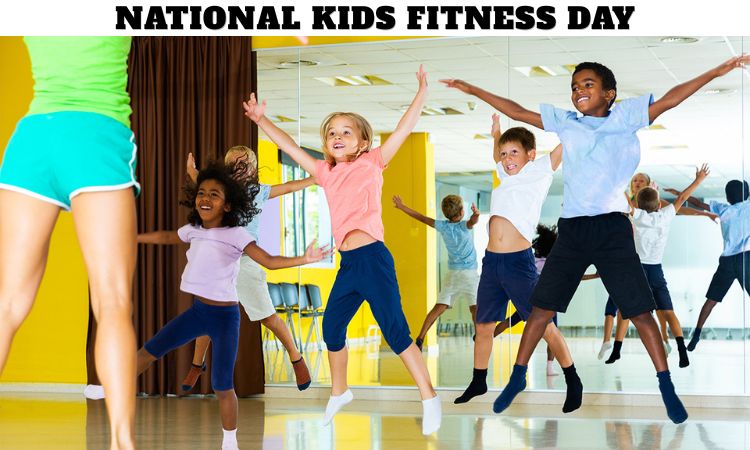
National Kids Fitness Day, observed annually on May 4, is a special day dedicated to encouraging children to embrace physical activity, healthy habits, and lifelong wellness. This observance shines a spotlight on the importance of exercise in childhood development and reminds families, schools, and communities that fitness is not just about sports—it is about building healthy bodies, confident minds, and positive daily routines.
As modern lifestyles become increasingly digital, many children spend more time on screens and less time engaging in active play. National Kids Fitness Day addresses this growing concern by promoting movement, outdoor activity, and physical education as essential parts of childhood.
This day serves as a powerful opportunity to inspire children to enjoy exercise, discover new activities, and understand that staying active supports both immediate well-being and long-term health.
Why Is Physical Fitness So Important for Children?
Physical fitness plays a foundational role in a child’s growth and development. Regular activity strengthens the body while also improving emotional and cognitive health.
Key benefits include:
- Stronger muscles and bones
- Improved heart health
- Better balance and coordination
- Healthy weight management
- Enhanced concentration
- Reduced stress and anxiety
- Better sleep quality
- Increased self-confidence
Physically active children are also more likely to develop positive social skills through teamwork, communication, and cooperative play.
Fitness during childhood establishes habits that can reduce the risk of chronic conditions later in life, including obesity, diabetes, and cardiovascular disease.
How Much Physical Activity Do Kids Need Each Day?
Health experts generally recommend that children and adolescents get at least 60 minutes of moderate to vigorous physical activity daily.
This can include:
- Running
- Cycling
- Swimming
- Dancing
- Team sports
- Jump rope
- Martial arts
- Playground activities
The goal is variety. Fitness should feel fun, engaging, and age-appropriate rather than rigid or repetitive.
National Kids Fitness Day emphasizes that every movement counts, whether through organized sports or spontaneous outdoor play.
What Challenges Are Affecting Children’s Fitness Today?
Modern childhood faces several obstacles that can reduce physical activity:
Screen Time
Smartphones, gaming systems, and streaming platforms often replace active play.
Busy Schedules
Academic pressure and structured routines may leave less time for movement.
Limited Outdoor Access
Urban environments or safety concerns can reduce opportunities for physical activity.
Poor Nutrition
Unhealthy diets can impact energy levels and overall wellness.
Reduced Physical Education
Some schools have limited resources for robust fitness programs.
National Kids Fitness Day raises awareness of these barriers and encourages practical solutions that prioritize health.
How Can Parents Encourage Fitness in Everyday Life?
Parents are central to building healthy routines. Children often mirror adult behavior, making family involvement essential.
Effective strategies include:
- Family walks or bike rides
- Limiting screen time
- Encouraging outdoor play
- Joining sports teams
- Creating fitness challenges
- Dancing together
- Visiting parks
- Supporting active hobbies
When exercise is framed as enjoyable rather than obligatory, children are more likely to stay engaged.
Consistency matters more than perfection. Small daily actions can create lasting habits.
What Role Do Schools Play in National Kids Fitness Day?
Schools are vital environments for promoting physical wellness. Since children spend much of their day in educational settings, schools can integrate movement into routines through:
- Physical education classes
- Recess
- Sports programs
- Classroom movement breaks
- Health education
- Walkathons or fitness events
National Kids Fitness Day often inspires schools to host special activities such as obstacle courses, dance competitions, field days, or wellness workshops.
By combining education with activity, schools help children understand that physical health is essential to academic success and personal growth.
Why Is Mental Health Connected to Kids’ Fitness?
Fitness benefits far more than physical strength. Exercise significantly impacts emotional well-being by releasing endorphins, improving mood, and reducing anxiety.
Active children often experience:
- Greater emotional resilience
- Lower stress levels
- Improved focus
- Better social confidence
- Reduced symptoms of depression
Physical activity can also help children manage frustration, channel energy positively, and improve self-esteem.
National Kids Fitness Day reinforces the idea that a healthy body supports a healthy mind.
What Are the Best Fitness Activities for Different Age Groups?
Fitness should evolve with developmental stages.
Toddlers and Preschoolers
- Running
- Climbing
- Dancing
- Ball games
School-Age Children
- Swimming
- Soccer
- Cycling
- Gymnastics
Preteens and Teens
- Strength training
- Team sports
- Martial arts
- Hiking
The best activity is one that matches the child’s interests while promoting movement and enjoyment.
How Can Communities Support National Kids Fitness Day?
Communities can create environments that make active living accessible and appealing.
Important community actions include:
- Safe parks and playgrounds
- Youth sports leagues
- Affordable recreation centers
- Walking trails
- Family fitness events
- Public awareness campaigns
National Kids Fitness Day can unite neighborhoods through charity runs, outdoor festivals, school partnerships, and health fairs.
When communities prioritize child wellness, everyone benefits.
Why Is Nutrition Essential Alongside Fitness?
Fitness and nutrition work together. Active children need balanced nutrition to fuel growth and performance.
Healthy eating includes:
- Fruits and vegetables
- Whole grains
- Lean proteins
- Dairy or calcium-rich foods
- Hydration
Reducing sugary drinks and processed foods supports sustained energy and healthy development.
National Kids Fitness Day reminds us that movement and nourishment are equally important for total wellness.
How Can We Make Fitness Fun Instead of a Chore?
Children are more likely to stay active when fitness feels exciting.
Creative approaches include:
- Dance parties
- Fitness games
- Scavenger hunts
- Adventure walks
- Sports-themed birthdays
- Family challenges
Positive reinforcement, variety, and social interaction help children associate movement with joy.
The goal is not elite athleticism—it is lifelong wellness.
Why Does National Kids Fitness Day Matter More Than Ever?
With rising childhood obesity rates, sedentary lifestyles, and increasing mental health challenges, National Kids Fitness Day holds growing importance.
This observance reminds us that investing in children’s health today shapes stronger adults tomorrow.
Healthy children are more likely to become:
- Confident learners
- Active citizens
- Emotionally resilient individuals
- Health-conscious adults
By celebrating National Kids Fitness Day, we commit to empowering the next generation with the tools they need to thrive.
How Can We Build a Lifetime of Healthy Habits Starting on May 4?
National Kids Fitness Day is not just a one-day event—it can be the beginning of a lifelong journey.
We can build healthier futures by:
- Prioritizing daily movement
- Modeling active behavior
- Supporting schools
- Improving nutrition
- Encouraging exploration
When children learn that fitness is a natural and rewarding part of life, they gain benefits that extend far beyond childhood.
Frequently Asked Questions (FAQs)
1. When is National Kids Fitness Day celebrated?
National Kids Fitness Day is celebrated annually on May 4.
2. What is the purpose of National Kids Fitness Day?
It promotes physical activity, healthy habits, and wellness among children.
3. How much exercise should kids get daily?
Children should aim for at least 60 minutes of physical activity each day.
4. Why is fitness important for children?
Fitness supports physical growth, mental health, academic focus, and disease prevention.
5. What are good fitness activities for kids?
Running, swimming, biking, dancing, sports, and outdoor play are excellent choices.
6. How can parents encourage kids to stay active?
By modeling healthy habits, limiting screen time, and participating in active family activities.
7. Do schools celebrate National Kids Fitness Day?
Many schools promote it through sports events, field days, and wellness programs.
8. How does exercise help mental health in children?
Exercise reduces stress, improves mood, and boosts confidence.
9. Is nutrition important for kids’ fitness?
Yes, balanced nutrition provides the energy and nutrients children need for healthy activity.
10. Can non-athletic children still be fit?
Absolutely. Fitness includes any enjoyable physical activity, not just competitive sports.