

What Is National Hoagie Day and Why Is It Celebrated on May 5?
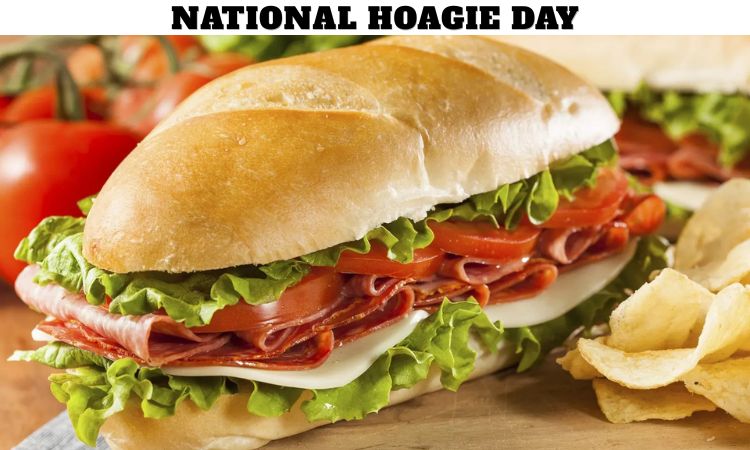
National Hoagie Day, celebrated annually on May 5, honors one of America’s most beloved sandwiches: the hoagie. Packed with layers of meats, cheeses, vegetables, condiments and served on a long roll, the hoagie represents more than just a meal—it is a cultural icon rooted in regional history, culinary creativity, and everyday comfort food.
From neighborhood delis in Philadelphia to sandwich shops across the United States, the hoagie has earned a place in American food culture through its adaptability, bold flavors, and satisfying size. National Hoagie Day gives food lovers the perfect opportunity to appreciate this legendary sandwich, explore its origins, and celebrate the craftsmanship behind every carefully layered bite.
This food holiday also highlights the social nature of sandwiches. Hoagies are often associated with family lunches, sports events, quick meals, and local traditions, making May 5 a flavorful tribute to one of the nation’s favorite handheld foods.
What Exactly Is a Hoagie?
A hoagie is a long sandwich typically made with an elongated roll filled with a combination of sliced meats, cheeses, lettuce, tomatoes, onions, oil, vinegar, and seasonings. While ingredients vary by region and personal taste, the hoagie is known for being hearty, customizable, and packed with flavor.
Common hoagie ingredients include:
- Italian meats such as salami, ham, and capicola
- Provolone or American cheese
- Lettuce
- Tomatoes
- Onions
- Pickles
- Olive oil
- Vinegar
- Mayonnaise
- Mustard
Hoagies can be served cold or hot, and countless variations have emerged over time, from classic Italian hoagies to vegetarian and gourmet versions.
Where Did the Hoagie Originate?
The hoagie is most commonly associated with Philadelphia, Pennsylvania, where it is believed to have originated among Italian immigrant communities.
One popular theory traces the name to “Hog Island,” a shipyard in Philadelphia during World War I. Workers there reportedly brought large Italian sandwiches for lunch, which became known as “Hog Island sandwiches,” later shortened to “hoagies.”
Another theory connects the sandwich to Italian deli traditions that evolved in urban immigrant neighborhoods.
Regardless of its exact origin, Philadelphia remains central to hoagie history, and the sandwich continues to symbolize the city’s rich culinary heritage.
How Is a Hoagie Different From a Sub, Hero, or Grinder?
While many long sandwiches appear similar, regional names and preparation styles create distinctions.
- Hoagie: Commonly associated with Philadelphia, often includes Italian meats and cold cuts.
- Submarine Sandwich (Sub): Broad national term referencing the sandwich’s shape.
- Hero: Popular in New York City.
- Grinder: Often used in New England and may imply a toasted sandwich.
Despite these differences, all reflect America’s regional food diversity. National Hoagie Day specifically celebrates the hoagie’s unique identity and cultural roots.
Why Has the Hoagie Become an American Food Icon?
The hoagie’s popularity comes from several enduring qualities:
- Versatility: Endless ingredient combinations suit diverse tastes.
- Convenience: Portable and easy to eat.
- Affordability: Often offers a filling meal at a reasonable cost.
- Customization: Can be tailored for meat lovers, vegetarians, or specialty diets.
- Cultural Significance: Deep roots in immigrant food traditions.
The hoagie’s balance of practicality and flavor has helped it remain relevant across generations.
What Are the Most Popular Types of Hoagies?
National Hoagie Day is the perfect occasion to explore different styles.
Popular varieties include:
- Italian Hoagie: Salami, ham, provolone, lettuce, tomatoes, onions, and oil.
- Turkey Hoagie: Sliced turkey with cheese and vegetables.
- Cheesesteak Hoagie: Combines cheesesteak with traditional hoagie toppings.
- Veggie Hoagie: Packed with fresh vegetables and cheese.
- Chicken Hoagie: Grilled or breaded chicken with sauces.
- Meatball Hoagie: Hot sandwich with meatballs, marinara, and melted cheese.
These variations showcase the hoagie’s culinary flexibility.
How Do Regional Food Traditions Shape Hoagie Culture?
Regional ingredients and culinary preferences influence how hoagies are made across America.
For example:
- Philadelphia emphasizes Italian deli heritage
- Southern regions may add spicier sauces
- West Coast versions may focus on avocado or fresh produce
- Gourmet shops may include artisanal meats and breads
This regional diversity keeps the hoagie evolving while preserving its core identity.
How Can People Celebrate National Hoagie Day?
Celebrating National Hoagie Day can be simple or creative.
Popular ways include:
- Visiting a local deli
- Trying a new hoagie variation
- Hosting a sandwich-making party
- Supporting family-owned sandwich shops
- Learning about Philadelphia’s food history
- Creating homemade hoagies
- Sharing favorite recipes
Food holidays often bring people together, and hoagies are ideal for communal enjoyment.
What Makes a Great Hoagie?
A truly memorable hoagie often depends on ingredient quality and balance.
Key elements include:
- Fresh Bread: The roll should be soft yet sturdy.
- Quality Meats and Cheese: Flavorful proteins define the sandwich.
- Balanced Toppings: Crisp vegetables add texture.
- Proper Seasoning: Oil, vinegar, herbs, and condiments elevate taste.
- Construction: Even layering ensures every bite is satisfying.
A great hoagie is both an art and a culinary tradition.
Why Does National Hoagie Day Matter Beyond Food?
National Hoagie Day is not just about sandwiches—it celebrates cultural heritage, local business, and culinary storytelling. The hoagie reflects immigrant innovation, regional pride, and America’s love for practical, delicious meals.
Food observances also encourage people to:
- Explore history
- Support local restaurants
- Celebrate tradition
- Share meals socially
In this way, National Hoagie Day becomes a broader appreciation of food culture itself.
How Has the Hoagie Evolved in Modern Food Trends?
Today’s hoagies continue adapting to changing tastes and dietary preferences.
Modern trends include:
- Plant-based hoagies
- Gluten-free rolls
- International fusion flavors
- Organic ingredients
- Gourmet artisan sandwiches
Despite innovation, the classic hoagie remains timeless because it combines familiarity with endless reinvention.
Why Does National Hoagie Day Continue to Resonate?
National Hoagie Day remains popular because it celebrates comfort, creativity, and culinary history. Few foods are as universally approachable and customizable as the hoagie.
Whether enjoyed as a traditional Italian masterpiece or a modern vegan creation, the hoagie represents the joy of simple ingredients brought together with purpose and flavor.
On May 5, National Hoagie Day invites everyone to savor not just a sandwich, but a piece of American culinary tradition.
Frequently Asked Questions (FAQs)
1. What is National Hoagie Day?
National Hoagie Day celebrates the hoagie and its cultural significance in American food history.
2. When is National Hoagie Day observed?
It is celebrated annually on May 5.
3. Where did the hoagie originate?
The hoagie is most commonly associated with Philadelphia, Pennsylvania.
4. What is in a traditional hoagie?
Traditional hoagies often include meats, cheese, lettuce, tomatoes, onions, and condiments on a long roll.
5. Is a hoagie the same as a sub?
They are similar, but “hoagie” is a regional term with specific cultural roots.
6. Why is it called a hoagie?
One theory links the name to Hog Island shipyard workers in Philadelphia.
7. Can hoagies be vegetarian?
Yes, veggie hoagies are popular and highly customizable.
8. How can I celebrate National Hoagie Day?
By enjoying a hoagie, visiting a deli, or making one at home.
9. What bread is best for a hoagie?
A fresh, sturdy long roll is typically preferred.
10. Why is the hoagie culturally important?
It reflects immigrant culinary traditions, regional identity, and American sandwich culture.