

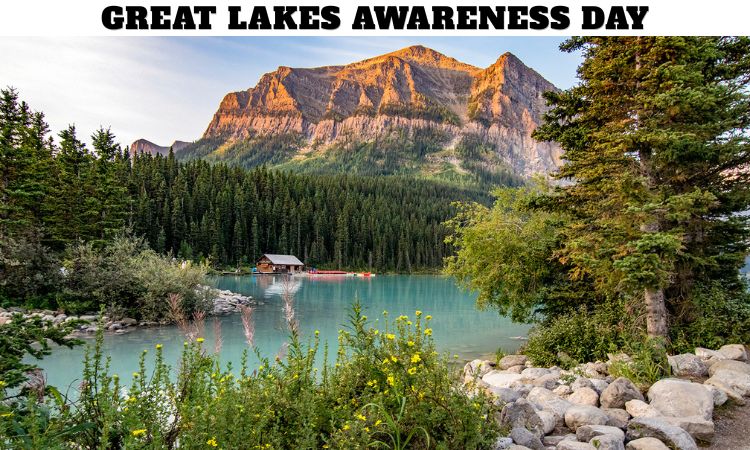
What Is Great Lakes Awareness Day, and Why Does It Matter on May 4?
Great Lakes Awareness Day, observed every year on May 4, is a meaningful occasion dedicated to recognizing the immense ecological, economic, and cultural importance of the five Great Lakes: Lake Superior, Lake Michigan, Lake Huron, Lake Erie, and Lake Ontario. Together, these freshwater giants hold approximately 21% of the world’s surface fresh water and provide drinking water to more than 40 million people across the United States and Canada.
On this day, we unite in raising awareness about the health, preservation, and future sustainability of these lakes. Great Lakes Awareness Day serves as a reminder that these waters are not merely geographic landmarks—they are lifelines that sustain biodiversity, commerce, recreation, and millions of communities.
By celebrating this day, we reinforce our collective responsibility to combat pollution, invasive species, habitat destruction, and climate-related challenges that threaten one of Earth’s most valuable freshwater systems.
How Did the Great Lakes Become So Important to North America?
The Great Lakes were formed roughly 20,000 years ago during the last Ice Age when retreating glaciers carved massive basins that later filled with meltwater. Over centuries, these lakes became foundational to Indigenous civilizations, European exploration, industrial development, and modern trade.
Today, the Great Lakes region is one of the world’s largest economic engines, supporting:
- Commercial shipping and transportation
- Agriculture and irrigation
- Hydroelectric power
- Tourism and recreation
- Fishing industries
The St. Lawrence Seaway transformed the Great Lakes into a global shipping route, linking inland North America to the Atlantic Ocean. Major cities such as Chicago, Toronto, Cleveland, Detroit, Milwaukee, and Buffalo owe much of their development to these vast waters.
Which Are the Five Great Lakes and What Makes Each Unique?
Lake Superior
The largest freshwater lake by surface area in the world, Lake Superior, is known for its deep, cold waters and pristine wilderness.
Lake Michigan
The only Great Lake located entirely within the United States, Lake Michigan is famous for its sandy dunes and vibrant shoreline communities.
Lake Huron
Home to Georgian Bay and thousands of islands, Lake Huron boasts remarkable biodiversity and scenic beauty.
Lake Erie
The shallowest and warmest Great Lake, Lake Erie, supports rich fisheries but faces significant pollution challenges.
Lake Ontario
Though the smallest by surface area, Lake Ontario plays a vital role in connecting the Great Lakes to the Atlantic through the St. Lawrence River.
Why Are the Great Lakes Essential for Environmental Health?
The Great Lakes ecosystem supports more than 3,500 species of plants and animals, including fish, birds, mammals, and wetland vegetation. Their environmental importance includes:
- Maintaining freshwater habitats
- Regulating regional climate
- Supporting migratory bird pathways
- Sustaining wetlands and marshes
- Providing natural resources
Wetlands around the Great Lakes act as natural water filters, removing contaminants and reducing flood risks. Preserving these ecosystems ensures cleaner water and healthier wildlife populations.
What Threats Are Facing the Great Lakes Today?
Despite their immense scale, the Great Lakes are vulnerable. Key threats include:
Pollution
Industrial runoff, agricultural chemicals, plastics, and untreated wastewater contaminate water quality.
Invasive Species
Zebra mussels, sea lampreys, and Asian carp disrupt native ecosystems and food chains.
Climate Change
Rising temperatures, fluctuating water levels, and stronger storms affect habitats and coastal infrastructure.
Habitat Loss
Urban development and shoreline erosion destroy wetlands and breeding grounds.
Microplastics
Tiny plastic particles are increasingly infiltrating the lakes, threatening aquatic life and drinking water systems.
Great Lakes Awareness Day emphasizes confronting these threats through education, policy reform, and conservation.
How Do We Celebrate Great Lakes Awareness Day?
Communities, schools, environmental groups, and policymakers participate through:
- Beach cleanups
- Water conservation campaigns
- Educational workshops
- Social media awareness drives
- Wildlife restoration projects
- Public lectures on freshwater sustainability
Families can also celebrate by visiting Great Lakes parks, learning about freshwater conservation, reducing plastic use, and supporting organizations focused on environmental protection.
What Role Do Indigenous Communities Play in Great Lakes Stewardship?
For thousands of years, Indigenous peoples, including the Ojibwe, Odawa, Potawatomi, Haudenosaunee, and others, have maintained spiritual, cultural, and practical relationships with the Great Lakes.
Their traditional ecological knowledge emphasizes sustainable fishing, respect for water, and ecosystem balance. Indigenous leadership remains crucial in current conservation initiatives, treaty rights advocacy, and water protection movements.
Recognizing Indigenous stewardship deepens our understanding of the lakes beyond economics—it reminds us that water is sacred.
How Can We Personally Help Protect the Great Lakes?
Protecting the Great Lakes begins with everyday action:
- Reduce single-use plastics
- Dispose of chemicals responsibly
- Conserve household water
- Support clean energy
- Participate in local conservation
- Choose sustainable seafood
- Advocate for environmental legislation
Even small changes can significantly reduce pollution and water waste, helping preserve freshwater for future generations.
What Educational Lessons Does Great Lakes Awareness Day Teach Us?
This observance teaches us:
Water is finite.
Though vast, freshwater systems are vulnerable.
Ecosystems are interconnected.
Pollution in one region affects the broader watershed.
Conservation requires cooperation.
Cross-border partnerships between the U.S. and Canada are essential.
Awareness drives action.
Public education is the first defense against environmental decline.
Why Is Great Lakes Awareness Day More Important Than Ever?
As freshwater scarcity becomes a growing global concern, the Great Lakes stand as one of humanity’s most precious natural assets. Protecting them means safeguarding public health, biodiversity, food systems, and economic resilience.
Great Lakes Awareness Day is not just about appreciation—it is about action. It challenges us to preserve these waters through science, stewardship, and sustainable living.
By honoring May 4, we reaffirm our duty to keep the Great Lakes healthy, thriving, and protected for centuries to come.
Frequently Asked Questions (FAQs)
1. When is Great Lakes Awareness Day celebrated?
Great Lakes Awareness Day is observed annually on May 4.
2. What is the purpose of Great Lakes Awareness Day?
Its purpose is to promote awareness, education, and conservation of the Great Lakes ecosystem.
3. How many Great Lakes are there?
There are five Great Lakes: Superior, Michigan, Huron, Erie, and Ontario.
4. Why are the Great Lakes important?
They provide drinking water, transportation, recreation, biodiversity, and economic benefits.
5. What are the biggest threats to the Great Lakes?
Pollution, invasive species, climate change, habitat destruction, and microplastics are major threats.
6. Who depends on the Great Lakes for water?
More than 40 million people in the U.S. and Canada rely on them.
7. How can individuals help protect the Great Lakes?
By conserving water, reducing pollution, using less plastic, and supporting conservation efforts.
8. Are the Great Lakes freshwater or saltwater?
They are freshwater lakes.
9. Which Great Lake is the largest?
Lake Superior is the largest by surface area.
10. Why is freshwater conservation important globally?
Freshwater is essential for life, and preserving large freshwater systems helps address future water security challenges.