
What Is National Bingo Day and Why Is It Celebrated on June 27?
National Bingo Day, observed annually on June 27, is a fun-filled holiday dedicated to celebrating one of the world’s most beloved games of chance. The day honors the enduring popularity of bingo, a game that has entertained generations of players in community halls, schools, social clubs, casinos, and online platforms.
Bingo is much more than a simple numbers game. For many people, it represents social interaction, friendly competition, entertainment, and community spirit. National Bingo Day encourages players of all ages to gather with friends and family, enjoy a few rounds of bingo, and appreciate the game’s rich history and cultural significance.
The holiday also recognizes bingo’s role in fundraising and charitable activities. For decades, nonprofit organizations, religious institutions, schools, and community groups have used bingo events to raise funds for important causes while bringing people together.
Whether played traditionally with paper cards and markers or digitally through online platforms, bingo continues to be a favorite pastime across the globe. National Bingo Day celebrates the excitement, camaraderie, and timeless appeal of this classic game.
How Did Bingo Originate?
The origins of bingo can be traced back several centuries. Historians believe the game evolved from a lottery-style game known as “Il Gioco del Lotto d’Italia,” which originated in Italy during the sixteenth century.
As the game spread throughout Europe, it underwent various modifications. In eighteenth-century France, a similar game called “Le Lotto” became popular among the aristocracy. This version featured numbered cards and gameplay mechanics resembling modern bingo.
During the nineteenth century, educational adaptations of the game emerged in Germany. Teachers used number-based games to help children learn mathematics, spelling, and history.
Bingo eventually reached North America, where it gained widespread popularity during the early twentieth century. Initially known as “Beano,” the game involved players marking beans on numbered cards as numbers were announced.
Legend suggests that the name “Bingo” originated when an enthusiastic player accidentally shouted “Bingo!” instead of “Beano” after completing a winning pattern. The name quickly gained popularity and became permanently associated with the game.
Today, bingo is enjoyed by millions of people worldwide in both traditional and digital formats.
Why Has Bingo Remained Popular for So Long?
Bingo’s enduring popularity can be attributed to several factors. First, the game is remarkably simple to learn. Players of virtually any age can participate without requiring specialized skills or extensive preparation.
Accessibility has also contributed significantly to bingo’s success. The game can be played in community centers, schools, senior centers, casinos, homes, and online environments. This flexibility allows diverse groups of people to enjoy the activity.
Social interaction represents another major reason for bingo’s longevity. Many players value the opportunity to connect with friends, meet new people, and participate in shared experiences. Community bingo events often foster lasting relationships and strengthen social bonds.
Additionally, bingo combines elements of chance, anticipation, and excitement. The possibility of winning prizes adds an extra layer of enjoyment while maintaining a friendly and inclusive atmosphere.
The game’s ability to adapt to changing technologies and cultural trends has further ensured its continued relevance. Modern online bingo platforms have introduced the game to entirely new generations of players.
How Is Traditional Bingo Played?
Traditional bingo is relatively straightforward, which contributes to its widespread appeal. Each player receives one or more cards containing a grid of randomly arranged numbers.
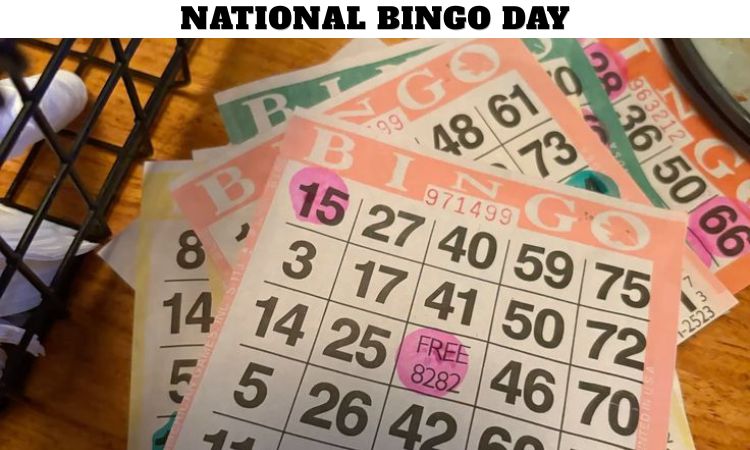
In the most common version played in the United States, cards feature a five-by-five grid with columns labeled B, I, N, G, and O. Each column contains numbers within specific ranges.
A caller randomly selects and announces numbers, usually using numbered balls or electronic systems. Players mark the corresponding numbers on their cards if they are present.
The objective is to complete a predetermined pattern before other participants. Common winning patterns include horizontal rows, vertical columns, diagonal lines, or covering the entire card.
Once a player completes the required pattern, they announce “Bingo!” The card is then verified to confirm the win before prizes are awarded.
Variations of bingo exist worldwide, featuring different card layouts, rules, and winning patterns. Regardless of the specific format, the core gameplay remains centered on chance and anticipation.
What Are Some Popular Variations of Bingo?
Bingo has evolved considerably over the years, resulting in numerous regional and thematic variations.
The 75-ball version is widely played in North America and uses a five-by-five card format. In contrast, the 90-ball version, popular in the United Kingdom and several other countries, features cards containing three rows and nine columns.
Speed bingo offers a faster-paced experience by accelerating the number-calling process. This version appeals to players seeking quick and energetic gameplay.
Themed bingo games have become increasingly popular, particularly at parties and educational events. Themes may include holidays, movies, television programs, historical topics, or educational subjects.
Online bingo platforms often introduce innovative formats featuring bonus rounds, interactive features, and virtual communities.
Educational bingo remains widely used in classrooms to teach subjects such as vocabulary, mathematics, geography, and science. Teachers appreciate the game’s ability to make learning enjoyable and engaging.
These diverse variations demonstrate bingo’s adaptability and universal appeal.
Why Is Bingo Associated With Community and Social Connection?
One of bingo’s most distinctive characteristics is its strong social component. Unlike many games that emphasize intense competition, bingo typically encourages interaction, conversation, and shared enjoyment.
Community organizations have long recognized bingo’s ability to bring people together. Churches, schools, charities, and social clubs frequently organize bingo events that foster fellowship while supporting important causes.
For older adults, bingo can provide valuable opportunities for social engagement and reduce feelings of isolation. Senior centers often host regular bingo sessions that promote socialization, cognitive stimulation, and recreational enjoyment.
Family bingo nights also create opportunities for intergenerational interaction. Children, parents, and grandparents can participate together regardless of differences in age or experience.
The welcoming and inclusive nature of bingo contributes significantly to its enduring popularity. National Bingo Day celebrates not only the game itself but also the meaningful connections it helps create.
How Has Technology Changed the Way People Play Bingo?
Technological advancements have transformed bingo dramatically during recent decades. Online platforms now allow players to participate from virtually anywhere with internet access.
Digital bingo websites and mobile applications offer numerous game variations, automated number marking, and interactive features that enhance convenience and accessibility.
Online bingo communities enable players from different countries and backgrounds to interact through chat functions and virtual events. These platforms preserve the social aspect of traditional bingo while expanding participation globally.
Electronic bingo systems have also become common in physical venues. Automated equipment streamlines gameplay, reduces administrative tasks, and improves operational efficiency.
Virtual bingo events gained particular prominence during periods when in-person gatherings were limited. Many organizations successfully adapted by hosting online sessions that maintained community engagement.
Although technology has modernized the game, traditional in-person bingo remains popular, demonstrating the coexistence of classic and contemporary formats.
How Can People Celebrate National Bingo Day?
National Bingo Day offers numerous opportunities for celebration and entertainment.
Hosting a bingo party at home is one of the simplest and most enjoyable ways to observe the holiday. Family members and friends can gather for several rounds of play while sharing refreshments and prizes.
Community organizations, schools, and workplaces may organize special bingo events to encourage participation and social interaction. Themed games can add excitement and creativity to celebrations.
Many individuals choose to visit local bingo halls or community centers to participate in organized sessions and support charitable initiatives.
Online bingo platforms provide another convenient option for celebration, particularly for individuals unable to attend in-person events.
Educational institutions can incorporate bingo into classroom activities by creating subject-specific games that combine learning with entertainment.
Some participants celebrate by volunteering at fundraising bingo events or donating proceeds to charitable organizations.
Regardless of the chosen format, National Bingo Day emphasizes fun, connection, and community spirit.
What Benefits Can Playing Bingo Provide?
Beyond entertainment, bingo offers several cognitive, emotional, and social benefits.
The game requires players to remain attentive, listen carefully, and recognize patterns, which may help support concentration and mental engagement. Regular participation can provide valuable cognitive stimulation, particularly for older adults.
Social interaction during bingo sessions contributes positively to emotional well-being. Engaging with others can reduce loneliness and foster a sense of belonging.
Bingo also promotes relaxation and stress relief by providing an enjoyable recreational activity. The game’s straightforward rules allow participants to focus on enjoyment rather than complex strategies.
Educational bingo activities support learning by reinforcing concepts in an interactive and memorable manner. Teachers frequently use bingo to increase student engagement and participation.
While bingo should always be approached as a form of entertainment, its broader social and cognitive benefits contribute to its lasting popularity.
Why Does National Bingo Day Continue to Matter Today?
National Bingo Day remains relevant because it celebrates a game that continues to unite people across generations, cultures, and communities. Despite changing entertainment trends, bingo has maintained its appeal by adapting to new technologies while preserving its traditional charm.
The observance highlights the importance of social interaction and community engagement in an increasingly digital world. Bingo provides opportunities for individuals to gather, communicate, and share enjoyable experiences.
The holiday also recognizes the significant role bingo has played in supporting charitable organizations and community initiatives. Countless fundraising events have benefited from the game’s widespread popularity.
As modern lifestyles become increasingly fast-paced, activities that encourage meaningful social connections remain especially valuable. National Bingo Day reminds people to pause, have fun, and appreciate the simple joy of playing together.
Ultimately, National Bingo Day celebrates far more than a game of chance. It honors friendship, community spirit, tradition, and the timeless excitement of hearing the word “Bingo!”
Frequently Asked Questions (FAQs)
1. When is National Bingo Day celebrated?
National Bingo Day is celebrated every year on June 27.
2. What is National Bingo Day?
It is a holiday dedicated to celebrating the game of bingo and its social and cultural significance.
3. Where did bingo originate?
Bingo evolved from lottery-style games that originated in Italy during the sixteenth century.
4. What was bingo originally called?
The game was originally known as “Beano” in the United States.
5. How do you win at bingo?
Players win by completing a predetermined pattern on their bingo card and calling out “Bingo.”
6. Is bingo only for older adults?
No, bingo is enjoyed by people of all ages, including children, families, and young adults.
7. Can bingo be played online?
Yes, many online platforms offer digital bingo games and virtual communities.
8. Why is bingo popular for fundraising?
Bingo events attract participants while generating funds for charities, schools, and community organizations.
9. How can I celebrate National Bingo Day?
You can host a bingo party, attend a community event, play online, or participate in fundraising activities.
10. What skills does bingo help develop?
Bingo can support concentration, pattern recognition, listening skills, and social interaction.