

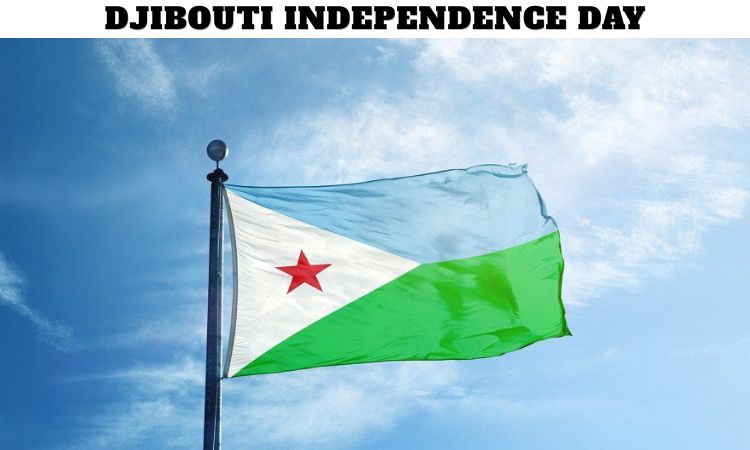
What Is Djibouti Independence Day and Why Is It Celebrated on June 27?
Djibouti Independence Day is celebrated annually on June 27 to commemorate the country’s independence from French colonial rule in 1977. This national holiday marks one of the most significant events in Djibouti’s history, symbolizing sovereignty, self-determination, and the birth of the modern Republic of Djibouti.
Every year, citizens across the nation observe the day with great enthusiasm and patriotic pride. The holiday honors the struggles and sacrifices made by generations of Djiboutians who sought freedom and self-governance. It also serves as an opportunity to celebrate the country’s rich cultural heritage, diverse traditions, and achievements as an independent nation.
Located in the Horn of Africa, Djibouti occupies a strategic position near the Red Sea and the Gulf of Aden. Despite its relatively small size, the nation plays an important role in international trade and regional geopolitics. Independence Day provides citizens with an occasion to reflect on the country’s journey, recognize national progress, and reaffirm their commitment to unity and development.
June 27 remains a symbol of national pride and an enduring reminder of Djibouti’s successful transition from colonial administration to independence.
How Did Djibouti Come Under French Colonial Rule?
The history of French involvement in Djibouti dates back to the nineteenth century during the era of European colonial expansion in Africa. Due to its strategic location near important maritime trade routes, the region attracted significant international interest.
In 1862, France acquired territory along the Gulf of Tadjoura through agreements with local rulers. Over time, French influence expanded, and the territory eventually became known as French Somaliland. The colony served as an important commercial and military outpost because of its proximity to the Red Sea and the Suez Canal.
French authorities invested in infrastructure projects, including the construction of the railway connecting Djibouti to Addis Ababa in Ethiopia. This railway strengthened the colony’s economic importance and established Djibouti as a major transportation hub in East Africa.
Throughout the colonial period, French administration shaped political, economic, and social institutions within the territory. However, growing nationalist sentiments among the local population eventually led to demands for greater autonomy and independence.
The broader decolonization movement across Africa during the twentieth century further encouraged political activism and aspirations for self-rule in Djibouti.
Why Did Djiboutians Seek Independence?
Like many African nations under colonial rule, Djibouti sought independence to achieve political sovereignty, self-governance, and national dignity. Many Djiboutians believed that the country’s future should be determined by its own people rather than by external authorities.
During the twentieth century, nationalist movements gained momentum throughout Africa, inspiring political leaders and citizens in Djibouti to advocate for independence. Calls for greater political participation, social equality, and economic self-determination became increasingly prominent.
Nationalist organizations and political leaders played a vital role in mobilizing public support for independence. They argued that self-government would enable Djiboutians to better address local needs, preserve cultural identity, and promote national development.
Several referendums were held during the colonial period to determine the territory’s political future. While earlier votes favored maintaining ties with France, political attitudes gradually evolved as support for independence increased.
Ultimately, the desire for national sovereignty and the broader wave of African decolonization contributed significantly to Djibouti’s successful independence movement.
How Did Djibouti Achieve Independence in 1977?
Djibouti’s path to independence was shaped by political negotiations, changing public opinion, and international support for decolonization.
In the years leading up to independence, nationalist movements intensified their campaigns for self-rule. Political leaders worked to unite diverse communities and advocate for the establishment of an independent state.
A crucial step occurred in May 1977 when a referendum was held to determine the territory’s future. The majority of voters supported independence from France, reflecting strong public support for sovereignty.
Following the referendum, France agreed to grant independence to the territory. On June 27, 1977, the Republic of Djibouti officially became an independent nation.
Hassan Gouled Aptidon, a prominent political figure and leader of the independence movement, became the country’s first president. His leadership marked the beginning of a new era in Djibouti’s history.
The achievement of independence represented the culmination of years of political effort and the realization of long-standing aspirations for self-governance.
Why Is June 27 So Important in Djiboutian History?
June 27 occupies a special place in Djiboutian history because it represents the moment when the nation achieved full sovereignty and gained the right to govern itself independently.
The date symbolizes freedom from colonial administration and the beginning of a new chapter characterized by national self-determination. For many citizens, Independence Day serves as a reminder of the sacrifices and dedication of those who contributed to the struggle for independence.
June 27 also represents unity among Djibouti’s diverse communities. The country’s population includes several ethnic groups, primarily the Afar and Somali peoples, whose shared commitment to independence helped shape the modern nation.
Commemorating Independence Day encourages reflection on historical achievements while inspiring continued efforts toward social progress, economic growth, and national cohesion.
The observance reinforces patriotism and reminds citizens of their collective responsibility to preserve and strengthen the nation’s independence.
How Is Djibouti Independence Day Celebrated?
Djibouti Independence Day is celebrated with a wide variety of official and community events throughout the country.
One of the most prominent features of the celebrations is the national parade held in the capital city, Djibouti City. Military personnel, security forces, cultural groups, and community organizations participate in processions showcasing national pride and unity.
Government officials deliver speeches emphasizing patriotism, national achievements, and future aspirations. These addresses often highlight progress in areas such as education, infrastructure, healthcare, and economic development.
Cultural performances are an essential component of the festivities. Traditional music, dance, and artistic presentations reflect Djibouti’s rich cultural heritage and diverse traditions.
Public spaces, streets, and buildings are decorated with the national colors of blue, green, white, and red. Citizens proudly display flags and participate in celebrations with family and friends.
Fireworks displays, concerts, sports competitions, and community gatherings further contribute to the festive atmosphere, making Independence Day one of the country’s most anticipated annual events.
What Cultural Traditions Are Associated With Independence Day?
Culture plays a central role in Djibouti Independence Day celebrations. The holiday provides an opportunity to showcase the country’s unique traditions and artistic expressions.
Traditional music performances feature indigenous instruments, songs, and rhythms that have been passed down through generations. Music often celebrates themes of patriotism, freedom, and national identity.
Dance performances are equally significant. Cultural groups present traditional dances representing various regions and communities within Djibouti. These performances highlight the nation’s diversity while emphasizing shared heritage.
Poetry and storytelling also occupy an important place in Djiboutian culture. Oral traditions remain highly valued, and Independence Day often includes recitations honoring historical events, national heroes, and cultural values.
Family gatherings are another cherished tradition. Many citizens celebrate by sharing meals and spending time with loved ones, reinforcing social bonds and community spirit.
These cultural practices ensure that Independence Day remains both a patriotic and culturally meaningful occasion.
What Challenges Has Djibouti Faced Since Independence?
Since gaining independence in 1977, Djibouti has encountered various political, economic, and environmental challenges.
Limited natural resources and harsh climatic conditions have posed significant obstacles to development. Water scarcity, drought, and desertification continue to affect agriculture and livelihoods in many areas.
Economic diversification remains an important priority. Although Djibouti’s strategic location has contributed to the growth of port services and logistics industries, expanding economic opportunities across other sectors remains essential.
Regional security concerns in the Horn of Africa have also influenced national policies. Djibouti’s geographic position has made it an important partner in international security and peacekeeping efforts.
Despite these challenges, Djibouti has made notable progress in infrastructure development, education, healthcare, and economic modernization. Investments in ports, transportation networks, and international partnerships have strengthened the country’s position as a regional trade hub.
Independence Day provides an opportunity to recognize these achievements while acknowledging the ongoing work required to ensure sustainable development.
How Does Independence Day Promote National Unity?
National unity is one of the central themes of Djibouti Independence Day. The holiday brings together citizens from diverse ethnic, linguistic, and cultural backgrounds in celebration of their shared identity as Djiboutians.
Official ceremonies and public events emphasize common values, historical experiences, and collective aspirations. National symbols such as the flag, anthem, and constitution reinforce a sense of belonging and patriotism.
Educational institutions often organize activities that teach students about the country’s independence struggle and national history. These programs help younger generations appreciate the significance of independence and understand their role in shaping the future.
Community celebrations encourage interaction among citizens and strengthen social cohesion. By participating in shared traditions and festivities, people reaffirm their commitment to national harmony and progress.
Independence Day serves as a powerful reminder that unity remains essential for addressing challenges and achieving long-term development goals.
Why Does Djibouti Independence Day Continue to Matter Today?
Djibouti Independence Day remains profoundly important because it commemorates the nation’s achievement of freedom and self-governance. More than four decades after independence, the holiday continues to inspire pride, patriotism, and optimism among citizens.
The observance provides an opportunity to honor historical struggles while celebrating the country’s accomplishments since independence. It encourages reflection on national values, achievements, and aspirations for the future.
In a rapidly changing world, preserving historical memory and cultural identity remains essential. Independence Day helps ensure that younger generations understand the significance of sovereignty and appreciate the efforts made by previous generations.
The holiday also highlights the importance of continued investment in peace, development, and social cohesion. By celebrating independence each year, Djiboutians reaffirm their commitment to building a prosperous and united nation.
Ultimately, Djibouti Independence Day stands as a powerful symbol of resilience, freedom, and national pride, reminding citizens of the enduring importance of independence and self-determination.
Frequently Asked Questions (FAQs)
1. When is Djibouti Independence Day celebrated?
Djibouti Independence Day is celebrated annually on June 27.
2. What does Djibouti Independence Day commemorate?
The holiday commemorates Djibouti’s independence from France on June 27, 1977.
3. What was Djibouti called during French colonial rule?
During colonial rule, the territory was known as French Somaliland.
4. Who became Djibouti’s first president after independence?
Hassan Gouled Aptidon became Djibouti’s first president.
5. How did Djibouti achieve independence?
Djibouti achieved independence following a referendum in 1977 in which voters supported sovereignty.
6. How is Djibouti Independence Day celebrated?
Celebrations include parades, cultural performances, speeches, concerts, and fireworks.
7. Why is Djibouti strategically important?
Djibouti’s location near the Red Sea and major international shipping routes makes it strategically significant.
8. What are the main ethnic groups in Djibouti?
The Afar and Somali communities are the country’s principal ethnic groups.
9. Why is national unity important on Independence Day?
The holiday promotes social cohesion and celebrates the shared identity of all Djiboutians.
10. Why does Djibouti Independence Day remain relevant today?
It continues to symbolize freedom, sovereignty, national pride, and aspirations for future development.