

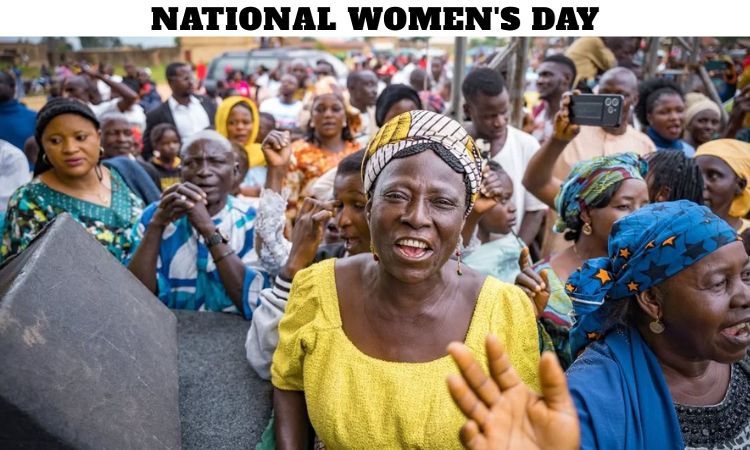
National Women’s Day is observed annually on August 9 in South Africa to honor the courage, leadership, and contribution of women who played a pivotal role in the country’s struggle against apartheid. The day commemorates the historic 1956 Women’s March to the Union Buildings in Pretoria, when thousands of women united to protest discriminatory pass laws.
National Women’s Day is more than a historical commemoration. It provides an opportunity to recognize women’s achievements, reflect on continuing challenges, celebrate women’s leadership, and encourage greater equality and participation in every area of society. Each year, August 9 invites us to remember the women who challenged injustice and inspired generations to stand up for their rights.
What Is National Women’s Day?
National Women’s Day is a South African public holiday celebrated on August 9 every year. It commemorates the Women’s March of August 9, 1956, when approximately 20,000 women from different communities gathered in Pretoria to petition against the apartheid government’s discriminatory pass laws.
The march demonstrated the strength of organized women’s activism. Participants came from diverse racial, cultural, and social backgrounds and joined together around a common cause. Their peaceful demonstration became one of the most memorable moments in South Africa’s history of resistance to apartheid.
Today, National Women’s Day recognizes both the historical contribution of these women and the broader achievements of women throughout South African society.
Why Is National Women’s Day Celebrated on August 9?
August 9 was selected because of the historic 1956 Women’s March. On that day, thousands of women traveled to Pretoria and delivered petitions containing more than 100,000 signatures to the Union Buildings, where government leaders were located.
The protest opposed laws that required Black South Africans to carry identification documents commonly known as passes. These laws severely restricted movement and affected families and communities.
The women who participated in the march showed remarkable organization and determination. Their protest became a powerful symbol of resistance and demonstrated that women were central participants in the struggle for justice and equality.
South Africa officially recognized August 9 as National Women’s Day in 1994, following the country’s transition to democracy.
What Happened During the Women’s March of 1956?
The Women’s March took place on August 9, 1956, when approximately 20,000 women gathered at the Union Buildings in Pretoria. The demonstration was organized by the Federation of South African Women and supported by several women’s organizations.
Among the prominent leaders associated with the march were Lilian Ngoyi, Helen Joseph, Rahima Moosa, and Sophie Williams. They represented different backgrounds but shared a commitment to challenging discriminatory legislation.
The women presented petitions to the government demanding the removal of pass requirements affecting Black women. After delivering the petitions, they stood in silence for several minutes before singing a protest song that became closely associated with the event.
The march was peaceful, disciplined, and highly organized. Its significance extended beyond the immediate protest because it showed the political influence and determination of women during a critical period in South African history.
Who Were the Women Who Led the 1956 Women’s March?
The 1956 Women’s March is particularly associated with four prominent leaders: Lilian Ngoyi, Helen Joseph, Rahima Moosa, and Sophie Williams.
Lilian Ngoyi was an influential political activist and became the first woman elected to the executive committee of the African National Congress. Helen Joseph was a prominent anti-apartheid activist who participated in several campaigns against discriminatory legislation.
Rahima Moosa was an activist and trade unionist who played an important role in mobilizing women. Sophie Williams, who was also involved in the women’s movement, helped represent the collective strength of women opposing apartheid laws.
The four women are often remembered together as the leaders who presented the petition during the march. Their work represents the broader contribution made by thousands of women whose names may not always appear in historical accounts.
What Was the Significance of the 1956 Women’s March?
The 1956 Women’s March was significant because it demonstrated that women could organize a large-scale, peaceful political movement against unjust laws. It challenged the assumption that women would remain on the sidelines of political affairs.
The march also strengthened the women’s resistance movement and became an enduring symbol of collective action. Women from different communities joined together despite the racial divisions imposed by apartheid.
Its legacy continues to influence South Africa’s understanding of women’s political participation, civic responsibility, and human rights.
National Women’s Day therefore provides an opportunity to look beyond the event itself and recognize the wider history of women who contributed to the country’s democratic transformation.
How Did National Women’s Day Become a Public Holiday?
National Women’s Day became a public holiday in 1994, during South Africa’s transition to democracy. The decision reflected the importance of recognizing women’s role in the country’s history and liberation struggle.
The holiday transformed August 9 from a historical anniversary into a nationwide occasion for reflection and public recognition. Government institutions, community organizations, schools, businesses, and civil society groups use the day to discuss women’s rights and celebrate women’s contributions.
The holiday also forms part of South Africa’s broader effort to preserve important moments in its democratic history.
How Is National Women’s Day Celebrated in South Africa?
National Women’s Day is celebrated through a variety of community, educational, cultural, and political activities. Events can include public ceremonies, women’s conferences, educational programs, exhibitions, discussions, marches, and community initiatives.
Many organizations use the occasion to recognize women for their contributions to society. Schools and educational institutions may discuss the history of the 1956 Women’s March and introduce younger generations to the activists who participated in it.
Community groups may organize programs addressing issues such as education, economic participation, leadership, safety, entrepreneurship, and equal opportunities.
National Women’s Day can therefore be both a celebration and a reminder that the principles represented by the 1956 march remain relevant.
Why Is National Women’s Day Important Today?
National Women’s Day remains important because the pursuit of equality did not end with the achievement of democracy. Women continue to contribute significantly to families, communities, workplaces, education, business, government, science, culture, and many other areas.
The day encourages society to recognize these contributions while considering areas where greater equality and opportunity are still needed.
It also reminds us that social progress often requires collective action, courage, persistence, and participation. The women of 1956 demonstrated these qualities when they stood together against discriminatory legislation.
By remembering their actions, we can encourage future generations to participate actively in building a fairer society.
What Can We Learn From the 1956 Women’s March?
The Women’s March offers several important lessons. One of the most powerful is the value of unity. Thousands of women from different backgrounds came together around a shared objective, demonstrating the strength that can emerge when people work collectively.
The march also demonstrates the importance of peaceful civic participation. The women used petitions, organization, public demonstration, and collective representation to express their opposition.
Another lesson is that historical change is often driven by ordinary people who are willing to challenge injustice. The march was not simply the work of a few famous leaders. Thousands of women participated, organized, traveled, signed petitions, and stood together.
Their example continues to demonstrate how civic participation can influence society.
How Can We Celebrate National Women’s Day?
We can celebrate National Women’s Day by learning about the history of the 1956 Women’s March and recognizing the women whose actions helped shape South Africa’s democratic history.
Schools and organizations can hold educational discussions, historical presentations, exhibitions, and awareness programs. Communities can support initiatives that expand educational and economic opportunities for women.
Individuals can also use August 9 as an opportunity to recognize the achievements of women in their families, workplaces, communities, and professions.
A meaningful celebration does not have to be limited to ceremonies. Supporting women’s education, encouraging leadership, challenging discrimination, and creating opportunities for participation can help carry the values of National Women’s Day into everyday life.
What Is the Difference Between National Women’s Day and International Women’s Day?
National Women’s Day in South Africa is observed on August 9, while International Women’s Day is observed globally on March 8.
International Women’s Day recognizes women’s achievements and promotes awareness of women’s rights and equality around the world. National Women’s Day has a specifically South African historical connection, particularly to the 1956 Women’s March against apartheid-era pass laws.
Although the dates and historical origins are different, both occasions highlight women’s contributions and the continuing importance of equality.
What Are Some Important Facts About National Women’s Day?
National Women’s Day is associated with several important historical facts. It is celebrated annually on August 9 in South Africa and commemorates the Women’s March of 1956.
Approximately 20,000 women participated in the historic demonstration. The women protested against pass laws and presented petitions to the government at the Union Buildings in Pretoria.
The march was organized by the Federation of South African Women and involved prominent activists including Lilian Ngoyi, Helen Joseph, Rahima Moosa, and Sophie Williams.
National Women’s Day became an official public holiday in 1994. The occasion now serves both as a commemoration of South African history and as a platform for recognizing women’s continuing contributions to society.
How Can National Women’s Day Inspire Future Generations?
The history of National Women’s Day can inspire future generations by showing that meaningful change can begin when people recognize injustice and work together to address it.
Young people can learn from the courage of the women who participated in the 1956 march. Their example demonstrates the importance of education, civic participation, leadership, organization, and perseverance.
The day also encourages us to recognize that history is shaped by people from many backgrounds. While famous leaders deserve recognition, the thousands of women who participated collectively were equally important to the success and lasting significance of the movement.
National Women’s Day therefore represents not only a memory of the past but also a continuing invitation to build a more inclusive future.
Frequently Asked Questions (FAQs)
1. When is National Women’s Day celebrated?
National Women’s Day is celebrated every year on August 9 in South Africa. It commemorates the historic Women’s March of August 9, 1956.
2. What does National Women’s Day commemorate?
National Women’s Day commemorates the 1956 Women’s March to the Union Buildings in Pretoria, where approximately 20,000 women protested against apartheid-era pass laws.
3. Why is August 9 important in South Africa?
August 9 is important because thousands of women gathered in Pretoria on that date in 1956 to oppose discriminatory pass legislation. Their action became a major symbol of women’s resistance and political participation.
4. Is National Women’s Day a public holiday in South Africa?
Yes. National Women’s Day is a public holiday in South Africa, observed annually on August 9.
5. Who led the Women’s March in 1956?
The march is particularly associated with Lilian Ngoyi, Helen Joseph, Rahima Moosa, and Sophie Williams, who were among its prominent leaders.
6. How many women participated in the 1956 Women’s March?
Approximately 20,000 women participated in the historic march in Pretoria.
7. What did the women protest against?
The women protested against apartheid-era pass laws, which imposed discriminatory movement and identification requirements on Black South Africans.
8. When did National Women’s Day become a public holiday?
National Women’s Day became a public holiday in 1994, following South Africa’s transition to democracy.
9. What is the theme of National Women’s Day?
The theme of National Women’s Day can vary from year to year depending on national priorities and government campaigns. The broader purpose remains recognizing women’s contributions and advancing equality.
10. Is National Women’s Day the same as International Women’s Day?
No. National Women’s Day in South Africa is celebrated on August 9 and commemorates the 1956 Women’s March, while International Women’s Day is observed globally on March 8.