
What Is Somalia Independence Day and Why Is It Celebrated on June 26?
Somalia Independence Day is celebrated annually on June 26 to commemorate the independence of British Somaliland from the United Kingdom in 1960. This historic event marked a crucial milestone in Somalia’s journey toward sovereignty and self-determination. The day holds immense significance for Somalis as it symbolizes freedom, national pride, and the beginning of the country’s modern statehood.
On June 26, 1960, the former British Somaliland Protectorate officially gained independence after decades of colonial administration. Just a few days later, on July 1, 1960, British Somaliland united with the Trust Territory of Somaliland, which had previously been administered by Italy, to form the Somali Republic.
Somalia Independence Day is therefore remembered not only as a celebration of freedom from colonial rule but also as an important step toward the unification of Somali territories. The occasion provides citizens with an opportunity to reflect on their nation’s history, honor those who fought for independence, and celebrate Somali culture and identity.
Across Somalia and among Somali communities worldwide, the day is marked by patriotic events, cultural activities, and expressions of national unity.
How Did Colonial Rule Begin in Somalia?
The history of colonial influence in Somalia dates back to the late nineteenth century during the period commonly known as the Scramble for Africa. European powers sought to expand their territories and establish strategic positions across the African continent.
Britain established the British Somaliland Protectorate in the northern region of present-day Somalia during the 1880s. The protectorate was primarily created to safeguard British interests in the region and secure trade routes connected to the British Empire.
At the same time, Italy established control over southern parts of Somalia, creating Italian Somaliland. France also maintained influence in neighboring territories, while Ethiopia controlled other Somali-inhabited regions.
Colonial administrations introduced new political and administrative structures, but they also disrupted traditional systems and imposed foreign authority on local populations. Despite colonial rule, Somali communities maintained strong cultural traditions, linguistic unity, and aspirations for self-governance.
Growing nationalist sentiments eventually led to organized movements demanding independence and the reunification of Somali territories.
Why Did Somalis Seek Independence?
Somalis sought independence for many reasons, including the desire for self-determination, political freedom, and national unity. Colonial rule limited local political participation and placed key decisions under foreign control.
As nationalist movements spread throughout Africa during the twentieth century, Somali leaders increasingly advocated for independence and sovereignty. Educated political figures and community leaders promoted the idea of a united Somali nation that would govern itself independently.
Nationalist organizations emerged to represent these aspirations. One of the most influential political movements was the Somali Youth League, established in 1943. The organization played a central role in mobilizing public support for independence and national unity.
The desire to unite Somali-inhabited territories under a single independent nation became a powerful political objective. Many Somalis viewed independence as essential for preserving cultural identity, promoting economic development, and securing political autonomy.
The growing momentum of anti-colonial movements across Africa further strengthened Somalia’s pursuit of independence.
How Did British Somaliland Achieve Independence?
British Somaliland achieved independence through a relatively peaceful political process. During the post-World War II era, global attitudes toward colonialism began to shift significantly, with many colonial powers gradually preparing territories for self-governance.
Political leaders in British Somaliland actively negotiated with British authorities to secure independence. As nationalist movements gained strength and international support for decolonization increased, Britain agreed to grant independence to the protectorate.
On June 26, 1960, British Somaliland officially became an independent state. Celebrations marked the end of British colonial administration and the beginning of self-rule.
The newly independent State of Somaliland existed as a sovereign entity for only a brief period. Five days later, on July 1, 1960, it voluntarily united with the former Italian-administered territory to establish the Somali Republic.
This unification represented the realization of a long-held aspiration among many Somali nationalists who envisioned a united Somali nation.
June 26 remains an important historical date commemorating the achievement of independence and the broader struggle for national unity.
Why Is June 26 Important in Somali History?
June 26 occupies a special place in Somali history because it symbolizes the first successful step toward independence and self-governance.
The date represents the culmination of years of political activism, negotiations, and nationalist efforts aimed at ending colonial rule. It reflects the determination of Somali leaders and citizens to achieve sovereignty and shape their own future.
June 26 also carries symbolic importance because it paved the way for the formation of the Somali Republic. Without the independence of British Somaliland, the historic union that occurred on July 1, 1960, would not have been possible.
For many Somalis, the day serves as a reminder of the sacrifices made by previous generations in pursuit of freedom and unity.
The annual observance encourages reflection on historical achievements while inspiring continued efforts toward peace, development, and national progress.
How Is Somalia Independence Day Celebrated?
Somalia Independence Day is celebrated through a variety of official ceremonies, cultural events, and community activities.
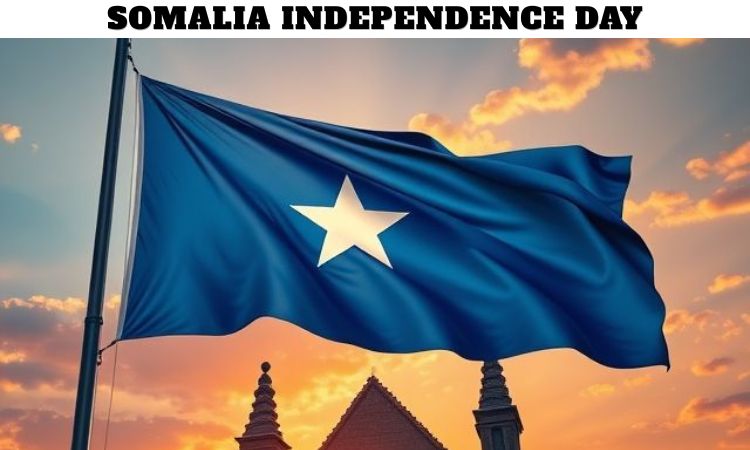
Government institutions often organize formal commemorations that include speeches, flag-raising ceremonies, and tributes to independence leaders. National flags are prominently displayed throughout cities and public spaces.
Cultural celebrations form an essential part of the observance. Traditional Somali music, poetry, and dance performances showcase the country’s rich heritage and artistic traditions.
Public gatherings frequently include patriotic songs and historical presentations highlighting the struggle for independence. Educational institutions may organize programs that teach students about Somalia’s colonial history and independence movement.
Many families celebrate by gathering together, sharing meals, and discussing the significance of the day. Community organizations and diaspora groups around the world also host events that strengthen cultural identity and national pride.
For Somali communities living abroad, Independence Day provides an opportunity to maintain connections with their heritage and pass traditions on to younger generations.
What Role Did Nationalist Movements Play in Somalia’s Independence?
Nationalist movements were instrumental in Somalia’s journey toward independence. Political organizations provided leadership, mobilized public support, and articulated the aspirations of the Somali people.
Among these organizations, the Somali Youth League emerged as one of the most influential. Founded in 1943, the organization advocated for independence, national unity, and the eventual unification of Somali territories.
The Somali Youth League helped foster political awareness and encouraged participation in public affairs. Its leaders engaged in negotiations with colonial authorities and represented Somali interests on national and international platforms.
Other political groups and community organizations also contributed to the independence movement by promoting education, civic engagement, and nationalist ideals.
These movements demonstrated the importance of organized political action in achieving decolonization. Their efforts laid the foundation for independent governance and the establishment of the Somali Republic.
Somalia Independence Day honors the contributions of these organizations and the individuals who dedicated themselves to the cause of freedom.
How Does Somalia Independence Day Promote National Identity?
Somalia Independence Day plays a significant role in strengthening national identity and fostering social cohesion.
The observance highlights shared historical experiences, cultural traditions, and collective aspirations. By commemorating the struggle for independence, citizens are reminded of the values of unity, resilience, and self-determination.
National symbols such as the Somali flag, anthem, and historical narratives reinforce a sense of belonging and common identity. Cultural performances further celebrate the linguistic, artistic, and traditional heritage that unites Somali communities.
Educational programs associated with Independence Day help younger generations understand their country’s history and appreciate the sacrifices made by earlier generations.
For the Somali diaspora, the holiday provides an opportunity to maintain cultural ties and strengthen connections with their ancestral homeland.
Through shared commemorations, Somalia Independence Day continues to nurture national pride and preserve historical memory.
What Challenges Has Somalia Faced Since Independence?
Since gaining independence in 1960, Somalia has experienced numerous political, economic, and social challenges.
Periods of political instability, internal conflict, and governance difficulties have affected national development. Civil conflict beginning in the late twentieth century significantly impacted institutions, infrastructure, and social conditions.
Economic challenges, humanitarian concerns, and environmental issues such as drought have also posed significant obstacles. Despite these difficulties, Somali communities have demonstrated remarkable resilience and adaptability.
Efforts to strengthen governance, promote reconciliation, rebuild institutions, and foster sustainable development continue at national and local levels.
Somalia Independence Day provides an opportunity not only to celebrate historical achievements but also to reflect on ongoing challenges and aspirations for peace and prosperity.
The observance encourages citizens to work collectively toward a stable and prosperous future.
Why Does Somalia Independence Day Continue to Matter Today?
Somalia Independence Day remains deeply significant because it commemorates the achievement of freedom and the enduring aspiration for national unity.
The holiday serves as a reminder that independence was secured through determination, political activism, and collective effort. It honors the sacrifices of those who struggled against colonial rule and sought a better future for subsequent generations.
In contemporary society, Independence Day continues to inspire patriotism, civic engagement, and commitment to national development. It encourages reflection on both historical achievements and future responsibilities.
The observance also highlights the importance of preserving cultural heritage and strengthening social cohesion in an increasingly interconnected world.
Ultimately, Somalia Independence Day represents far more than a historical anniversary. It symbolizes hope, resilience, sovereignty, and the continuing pursuit of peace, unity, and progress for the Somali people.
Frequently Asked Questions (FAQs)
1. When is Somalia Independence Day celebrated?
Somalia Independence Day is celebrated annually on June 26.
2. What does Somalia Independence Day commemorate?
It commemorates the independence of British Somaliland from the United Kingdom on June 26, 1960.
3. Why is June 26 important in Somali history?
June 26 marks the first step toward Somali sovereignty and paved the way for the formation of the Somali Republic.
4. When was the Somali Republic established?
The Somali Republic was established on July 1, 1960, following the union of British Somaliland and Italian Somaliland.
5. What was British Somaliland?
British Somaliland was a British protectorate located in the northern part of present-day Somalia.
6. What role did the Somali Youth League play?
The Somali Youth League was a major nationalist organization that advocated for independence and national unity.
7. How is Somalia Independence Day celebrated?
The day is celebrated with ceremonies, cultural performances, flag displays, community gatherings, and educational events.
8. Why is national unity important to Somalia Independence Day?
The holiday commemorates both independence and the aspiration for a unified Somali nation.
9. How do Somali communities abroad celebrate Independence Day?
Diaspora communities organize cultural events, family gatherings, and patriotic celebrations to honor their heritage.
10. Why does Somalia Independence Day remain relevant today?
It continues to symbolize freedom, sovereignty, resilience, and aspirations for peace and national development.