

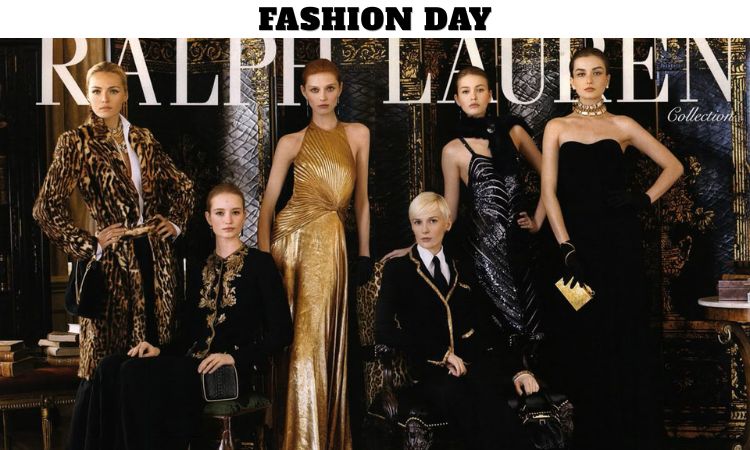
What Is Fashion Day?
Fashion Day, celebrated annually on July 9, is a special occasion dedicated to appreciating the creativity, innovation, and cultural influence of fashion around the world. It recognizes fashion as more than just clothing; it is a powerful form of self-expression that reflects personality, traditions, lifestyles, and changing social trends. Whether someone prefers timeless classics, modern streetwear, elegant formal attire, or sustainable fashion, Fashion Day encourages everyone to celebrate their unique sense of style.
Fashion has always played an important role in human civilization. From traditional garments that represent cultural heritage to contemporary designer collections showcased on international runways, clothing tells stories about different societies and generations. Fashion Day serves as an opportunity for designers, stylists, fashion enthusiasts, retailers, and everyday individuals to acknowledge the artistic and practical value of clothing and accessories.
The celebration is not limited to luxury brands or professional fashion experts. Anyone can participate by experimenting with personal style, supporting local designers, organizing wardrobe makeovers, or learning about sustainable fashion practices. Fashion Day reminds us that style is deeply personal and that confidence often comes from wearing something that truly represents who we are.
Why Is Fashion Day Celebrated?
Fashion Day is celebrated to honor the influence of fashion on culture, creativity, and individuality. Clothing has evolved far beyond its original purpose of providing protection from the environment. Today, fashion communicates identity, profession, emotions, traditions, and even personal values.
The day also recognizes the contributions of designers, textile manufacturers, tailors, artisans, photographers, makeup artists, fashion journalists, models, and countless professionals who work behind the scenes to bring fashion ideas to life. Their creativity shapes global trends while preserving traditional craftsmanship.
Fashion Day encourages people to appreciate diversity in style rather than following a single definition of beauty or elegance. Every culture contributes unique fabrics, patterns, embroidery techniques, and traditional garments that enrich the global fashion industry. By celebrating Fashion Day, people acknowledge that fashion can unite cultures while respecting individual differences.
Another important purpose of Fashion Day is to inspire responsible consumer choices. As awareness about environmental sustainability grows, more consumers are choosing ethical brands, recycled materials, and eco-friendly clothing practices. Fashion Day provides an excellent opportunity to promote mindful shopping and responsible fashion consumption.
How Has Fashion Evolved Throughout History?
Fashion has undergone remarkable transformations over thousands of years. Ancient civilizations used clothing primarily for protection and cultural identification. Materials such as animal hides, woven fibers, linen, silk, and wool reflected local resources and climates.
As societies became more advanced, clothing evolved into a symbol of social status, occupation, and wealth. Royal families often wore luxurious fabrics decorated with precious metals and gemstones, while ordinary citizens wore simpler garments suited to daily work.
The Industrial Revolution dramatically changed fashion production by making clothing more affordable and widely available. Mass manufacturing allowed people from different economic backgrounds to access fashionable garments without relying entirely on custom tailoring.
The twentieth century witnessed rapid fashion evolution. Designers introduced revolutionary silhouettes, innovative fabrics, and bold artistic concepts. Fashion magazines, television, cinema, and later the internet made global trends accessible to millions of people.
Today, digital technology and social media influence fashion trends faster than ever before. Consumers can discover styles from around the world within seconds, while online shopping has transformed how people purchase clothing. Fashion continues evolving through technological innovation, sustainability efforts, and cultural exchange.
Why Is Fashion Important in Everyday Life?
Fashion affects everyday life in ways that extend far beyond appearance. The clothes people choose often influence first impressions, professional image, confidence, and even mood. Wearing an outfit that feels comfortable and authentic can positively impact self-esteem and personal confidence.
Fashion also serves as a universal language. Without speaking, clothing can communicate creativity, professionalism, cultural identity, or personal interests. Uniforms identify occupations, traditional attire celebrates heritage, and personal style reflects individuality.
In professional settings, appropriate fashion helps create credibility and confidence. Business attire, healthcare uniforms, academic robes, and creative industry styles all communicate different expectations and responsibilities.
Fashion also contributes significantly to the global economy by supporting millions of jobs across manufacturing, retail, design, marketing, logistics, and technology sectors. The industry encourages innovation through new materials, production techniques, and digital retail experiences.
Beyond economics, fashion encourages creativity. Individuals mix colors, patterns, accessories, and fabrics to create distinctive looks that reflect their personalities. Fashion Day celebrates this artistic freedom while promoting confidence in personal style choices.
How Does Fashion Reflect Culture and Identity?
Fashion has always been closely connected to cultural identity. Traditional clothing represents centuries of history, craftsmanship, and community values. Many garments are worn during religious ceremonies, weddings, festivals, and national celebrations, preserving customs across generations.
Embroidery, weaving techniques, fabric patterns, and colors often hold symbolic meanings within different cultures. These elements showcase regional heritage while highlighting the creativity of local artisans.
Fashion also reflects changing social movements. Throughout history, clothing has symbolized political change, gender equality, artistic revolutions, and youth culture. Trends frequently emerge as expressions of societal values and evolving lifestyles.
Globalization has created opportunities for cultural exchange within fashion. Designers often draw inspiration from international textiles, traditional craftsmanship, and multicultural influences. However, Fashion Day also reminds people to appreciate cultural heritage respectfully by acknowledging the origins and significance of traditional styles.
As societies become increasingly diverse, fashion continues serving as a bridge between cultures while encouraging individuality and inclusion.
What Role Does Sustainable Fashion Play Today?
Sustainability has become one of the most important conversations in the fashion industry. Consumers are increasingly aware of environmental concerns related to textile production, waste generation, and excessive consumption. Fashion Day provides an opportunity to promote responsible choices that benefit both people and the planet.
Sustainable fashion emphasizes high-quality clothing designed to last longer rather than fast-changing disposable trends. Ethical production practices focus on fair wages, safe working conditions, and environmentally responsible manufacturing processes.
Many fashion brands now use organic cotton, recycled polyester, biodegradable fabrics, and innovative plant-based materials to reduce environmental impact. Consumers also contribute by repairing garments, donating unused clothing, shopping secondhand, and recycling textiles.
Capsule wardrobes have gained popularity because they encourage purchasing fewer versatile items that can be mixed and matched for multiple occasions. This approach reduces unnecessary consumption while promoting timeless style.
Fashion Day inspires everyone to recognize that thoughtful purchasing decisions can positively influence the future of the fashion industry.
How Can You Celebrate Fashion Day?
Fashion Day offers countless opportunities to express creativity and appreciate personal style. One of the easiest ways to participate is by wearing an outfit that reflects individual personality rather than simply following current trends. Confidence remains one of the most fashionable qualities anyone can possess.
Many people celebrate by organizing wardrobe cleanouts, donating gently used clothing to charitable organizations, or exchanging outfits with friends through clothing swap events. These activities promote sustainability while giving garments a second life.
Fashion enthusiasts may explore historical fashion documentaries, read about influential designers, or visit local museums featuring textile and costume collections. Learning about fashion history helps people appreciate the artistry behind clothing design.
Supporting local designers, independent boutiques, and handmade artisans is another meaningful way to celebrate Fashion Day. Purchasing locally crafted garments helps preserve traditional skills while encouraging creative entrepreneurship.
Photography also plays an important role in the celebration. Friends and families often organize fashion-themed photo sessions that highlight creativity, confidence, and individual style without focusing solely on expensive clothing.
Fashion Day can also inspire educational workshops covering sewing, styling, fabric care, sustainable shopping, or fashion illustration, making the celebration enjoyable and informative for participants of all ages.
What Are Some Fashion Tips That Never Go Out of Style?
Although trends constantly change, certain fashion principles remain timeless. Wearing properly fitted clothing enhances comfort and confidence regardless of current styles. Fit often matters more than brand names or expensive labels.
Neutral wardrobe essentials provide flexibility and pair easily with seasonal trends. Well-maintained shoes, quality accessories, and wrinkle-free garments contribute to a polished appearance without requiring a large wardrobe.
Understanding personal body shape, preferred colors, and lifestyle needs helps individuals build wardrobes that remain functional and stylish over time. Rather than chasing every trend, choosing pieces that complement personal preferences often leads to greater satisfaction.
Confidence remains one of the most attractive fashion accessories. People who wear clothing comfortably and authentically usually leave stronger impressions than those who simply follow trends without personal connection.
Fashion Day reminds everyone that style is ultimately about expressing individuality rather than seeking perfection.
What Can We Learn from Fashion Day?
Fashion Day teaches that clothing represents creativity, culture, confidence, and personal identity. It encourages appreciation for the talented individuals who design, manufacture, market, and preserve fashion traditions worldwide.
The celebration also promotes inclusivity by recognizing that style has no universal definition. Fashion is not restricted by age, gender, profession, or budget. Everyone deserves the freedom to express themselves through clothing that feels authentic and comfortable.
Fashion Day highlights the growing importance of sustainability, encouraging consumers to make thoughtful purchasing decisions that support ethical production and environmental responsibility.
Most importantly, Fashion Day reminds people that fashion is ultimately about confidence, creativity, and celebrating individuality. Whether someone enjoys minimalist clothing, vibrant colors, vintage collections, handmade garments, or contemporary trends, personal style becomes meaningful when it genuinely reflects who they are.
By celebrating Fashion Day each July 9, individuals around the world recognize fashion as an evolving art form that connects history, culture, innovation, and self-expression while inspiring future generations to embrace creativity with confidence.
Frequently Asked Questions (FAQs)
1. When is Fashion Day celebrated?
Fashion Day is celebrated every year on July 9.
2. What is the purpose of Fashion Day?
The day celebrates fashion as a form of creativity, self-expression, cultural identity, and innovation.
3. Who can celebrate Fashion Day?
Anyone can celebrate Fashion Day, including fashion enthusiasts, designers, students, retailers, and people who enjoy expressing their personal style.
4. How can I celebrate Fashion Day?
You can celebrate by wearing your favorite outfit, supporting local designers, organizing a wardrobe refresh, donating clothes, or learning about sustainable fashion.
5. Why is fashion important?
Fashion allows people to express their personality, build confidence, reflect cultural identity, and communicate individuality.
6. What is sustainable fashion?
Sustainable fashion focuses on environmentally friendly materials, ethical production, responsible shopping, and reducing clothing waste.
7. Does Fashion Day promote expensive brands?
No. Fashion Day celebrates personal style and creativity regardless of clothing price or brand.
8. How does fashion influence society?
Fashion shapes cultural trends, supports economic growth, reflects social changes, and encourages artistic innovation.
9. Can traditional clothing be part of Fashion Day?
Yes. Traditional and cultural attire are an important part of fashion and are celebrated for their heritage and craftsmanship.
10. Why is Fashion Day relevant today?
Fashion Day encourages creativity, inclusivity, sustainability, and appreciation for the people and traditions that shape the global fashion industry.