

What Is International Emergency Kit Day?
International Emergency Kit Day is observed every year on July 9 to encourage individuals, families, and communities to prepare for unexpected emergencies by assembling a well-stocked emergency kit. Natural disasters, severe weather, power outages, medical emergencies, and other unforeseen situations can occur without warning. Having an emergency kit ready ensures that essential supplies are available when they are needed most.
The day serves as a reminder that emergency preparedness is not just the responsibility of governments and emergency responders. Every household can take simple steps to improve safety and resilience. By spending a little time gathering emergency supplies, people can significantly reduce stress and improve their ability to cope during difficult situations.
International Emergency Kit Day also highlights the importance of planning ahead rather than reacting after an emergency occurs. Whether someone lives in an area prone to hurricanes, floods, earthquakes, wildfires, or heavy storms, having an emergency kit is a practical investment in personal and family safety.
Why Is International Emergency Kit Day Celebrated?
International Emergency Kit Day is celebrated to promote awareness about disaster preparedness and encourage people to build emergency kits before disasters strike. Many emergencies happen suddenly, leaving little or no time to shop for necessities. Stores may run out of supplies, transportation may be disrupted, and emergency services may be overwhelmed.
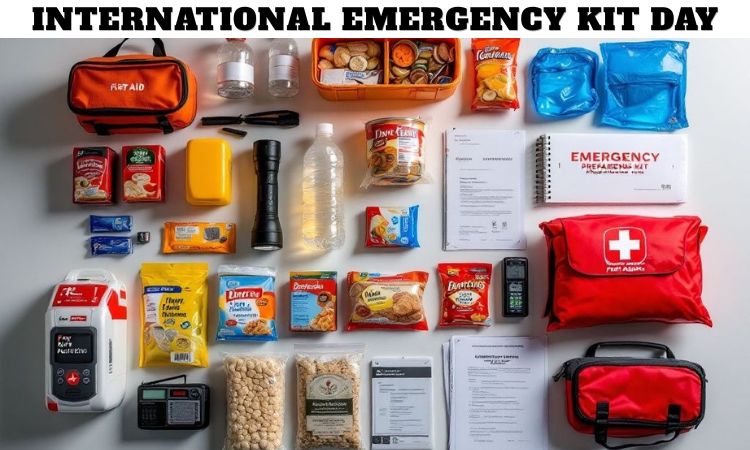
An emergency kit provides immediate access to food, water, medications, first aid supplies, flashlights, batteries, important documents, and communication tools. These items help people remain safe until normal services are restored or professional assistance becomes available.
The observance also encourages discussions about family emergency plans, evacuation routes, communication strategies, and community preparedness. These conversations help people respond more confidently during emergencies while minimizing confusion and panic.
How Did International Emergency Kit Day Begin?
International Emergency Kit Day was established to encourage greater public awareness about emergency preparedness. Although the observance does not have centuries of history like many traditional holidays, it has gained recognition through emergency preparedness organizations, public safety agencies, healthcare professionals, and community groups.
The increasing frequency of natural disasters around the world has highlighted the importance of personal preparedness. Earthquakes, floods, hurricanes, wildfires, extreme weather events, and public health emergencies have demonstrated that preparation can save lives.
Emergency management experts consistently recommend that every household maintain an emergency kit capable of supporting family members for at least 72 hours. International Emergency Kit Day reinforces this recommendation by inspiring people to prepare before an emergency happens rather than after one has already begun.
Why Is Emergency Preparedness Important?
Emergency preparedness helps reduce risks during unexpected situations. While no one can prevent natural disasters or accidents, everyone can prepare for them. Preparation allows individuals to respond calmly, make informed decisions, and protect themselves and their loved ones.
An emergency kit provides essential resources when utilities fail or access to stores becomes impossible. During emergencies, clean drinking water, non-perishable food, medical supplies, and lighting become critical necessities. Having these supplies readily available improves safety and comfort.
Preparedness also supports vulnerable populations, including children, older adults, individuals with disabilities, and pets. Their unique needs require careful planning, making emergency kits even more valuable.
Communities become stronger when more households are prepared. Emergency responders can focus on the most critical situations when families are capable of meeting their own basic needs during the initial hours or days of an emergency.
What Should Be Included in an Emergency Kit?
A well-prepared emergency kit contains supplies that support survival, communication, health, and basic comfort. Water is one of the most important items. Experts commonly recommend storing enough drinking water for every family member for several days.
Non-perishable food such as canned goods, protein bars, dried fruits, nuts, and ready-to-eat meals should also be included. A manual can opener is useful for canned food.
Medical supplies are another essential component. A first aid kit should contain bandages, antiseptic wipes, adhesive tape, scissors, pain relievers, disposable gloves, and any prescription medications required by family members.
Flashlights, extra batteries, battery-powered or hand-crank radios, mobile phone chargers, power banks, whistles, multi-purpose tools, blankets, and waterproof matches can be extremely valuable during emergencies.
Personal hygiene items including soap, hand sanitizer, wet wipes, toothbrushes, toilet paper, feminine hygiene products, and garbage bags should also be stored.
Important documents such as identification cards, insurance papers, emergency contact lists, medical records, and copies of financial information should be protected inside waterproof containers.
Cash in small denominations is another useful addition because electronic payment systems may not function during widespread power outages.
How Can Families Prepare Together?
International Emergency Kit Day encourages families to prepare as a team. Every household should discuss emergency procedures so everyone understands what to do during different situations.
Parents should explain emergency plans to children using age-appropriate language. Family members should identify safe meeting locations in case they become separated during an emergency. Everyone should know emergency phone numbers and how to contact relatives living outside the affected area.
Practicing evacuation routes helps families become familiar with exits and safe locations. Pets should also be included in emergency planning by preparing food, water, medications, leashes, and vaccination records.
Regular family discussions help ensure that emergency plans remain current as family needs change over time.
How Often Should Emergency Kits Be Updated?
An emergency kit should never be assembled and forgotten. Supplies require regular inspection because food, medications, batteries, and other items eventually expire or become unusable.
Many emergency preparedness experts recommend reviewing emergency kits every six months. During these inspections, expired food should be replaced, batteries tested, medications updated, and seasonal clothing adjusted if necessary.
Growing children may require different clothing sizes or medical supplies over time. Family members with changing medical conditions may also need updated medications or specialized equipment.
Checking emergency kits regularly ensures that supplies remain reliable when they are needed most.
How Can Schools and Workplaces Participate?
International Emergency Kit Day is an excellent opportunity for schools, businesses, and community organizations to promote emergency preparedness.
Schools can organize educational activities that teach students about disaster safety, first aid basics, and emergency planning. Teachers can encourage students to discuss family preparedness at home and create emergency contact cards.
Workplaces can conduct emergency drills, review evacuation procedures, inspect first aid equipment, and encourage employees to prepare personal emergency kits for both home and office use.
Community organizations may host preparedness workshops, distribute educational materials, or organize emergency supply donation drives for vulnerable populations.
These activities help create a culture of preparedness that benefits entire communities.
What Are Common Mistakes People Make When Preparing Emergency Kits?
One common mistake is waiting until severe weather warnings are issued before purchasing supplies. By that time, stores may already have empty shelves, long checkout lines, or transportation disruptions.
Another mistake is failing to store enough drinking water. Water is often more important than food during emergencies, yet many households underestimate their daily water requirements.
Some people forget to include prescription medications, eyeglasses, infant supplies, pet food, or special dietary items. Every emergency kit should reflect the unique needs of each household.
Ignoring expiration dates is another frequent problem. Food, batteries, and medications lose effectiveness over time and should be replaced regularly.
Finally, many households prepare emergency kits without discussing emergency plans. Supplies are important, but knowing how to respond during different emergencies is equally essential.
How Does International Emergency Kit Day Benefit Communities?
Prepared communities recover more quickly from disasters because residents are better equipped to care for themselves during the critical first hours after an emergency. This reduces pressure on hospitals, emergency responders, and relief organizations.
Prepared households are also more likely to assist neighbors, particularly older adults, people with disabilities, and families with young children. Community cooperation becomes especially valuable during extended emergencies.
International Emergency Kit Day promotes awareness that preparedness is an ongoing responsibility rather than a one-time task. By encouraging individuals to prepare today, the observance helps create safer neighborhoods and more resilient communities tomorrow.
Why Should Everyone Observe International Emergency Kit Day?
International Emergency Kit Day is more than just a date on the calendar. It is an annual reminder that emergencies can happen anywhere and at any time. While no one hopes to experience a disaster, preparation provides confidence, security, and peace of mind.
Building an emergency kit does not require expensive equipment or advanced survival skills. Small, consistent efforts can create a comprehensive kit over time. Every item added improves a household’s ability to remain safe during unexpected situations.
Observing International Emergency Kit Day on July 9 encourages families to review emergency plans, replace expired supplies, learn basic first aid, and discuss preparedness with loved ones. These simple actions can make a meaningful difference during emergencies and may even save lives.
Preparedness is ultimately about protecting what matters most. International Emergency Kit Day reminds everyone that taking action today is one of the best ways to prepare for tomorrow’s uncertainties.
Frequently Asked Questions (FAQs)
1. When is International Emergency Kit Day celebrated?
International Emergency Kit Day is observed every year on July 9.
2. What is the purpose of International Emergency Kit Day?
The day promotes awareness about emergency preparedness and encourages people to build emergency kits before disasters occur.
3. What is an emergency kit?
An emergency kit is a collection of essential supplies such as food, water, first aid items, medications, flashlights, batteries, and important documents needed during emergencies.
4. How much water should an emergency kit contain?
Most emergency preparedness guidelines recommend storing enough drinking water for at least three days for each household member.
5. How often should an emergency kit be checked?
Emergency kits should be reviewed approximately every six months to replace expired food, medications, batteries, and other supplies.
6. Should emergency kits include pet supplies?
Yes. If you have pets, include food, water, medications, leashes, carriers, and vaccination records.
7. Why are emergency kits important?
They provide immediate access to essential supplies when stores, utilities, or emergency services are unavailable.
8. Can children help prepare an emergency kit?
Yes. Children can participate by learning emergency procedures and helping organize age-appropriate supplies.
9. What documents should be included in an emergency kit?
Copies of identification, insurance papers, medical records, emergency contacts, and financial documents should be stored in waterproof containers.
10. Who can participate in International Emergency Kit Day?
Everyone can participate, including individuals, families, schools, businesses, and community organizations.