

What Is Croatia Independence Day and Why Is It Celebrated on June 25?
Croatia Independence Day, observed annually on June 25, commemorates one of the most important milestones in Croatian history. The day marks the historic decision made by the Croatian Parliament in 1991 to declare Croatia’s independence from the former Socialist Federal Republic of Yugoslavia. This declaration represented the beginning of Croatia’s journey toward becoming a fully sovereign and internationally recognized nation.
For Croatians, Independence Day symbolizes freedom, democracy, self-determination, and national pride. It serves as a reminder of the determination and sacrifices made by citizens who sought an independent future for their country. The occasion is celebrated through official ceremonies, patriotic events, educational programs, and community gatherings that honor Croatia’s national identity and historical achievements.
The significance of June 25 extends beyond politics. It reflects the resilience of the Croatian people and their commitment to preserving their culture, heritage, language, and democratic values.
How Did Croatia’s Path to Independence Begin?
Croatia’s path toward independence was shaped by political, cultural, and historical developments that unfolded throughout the twentieth century. Following World War II, Croatia became one of six republics within the Socialist Federal Republic of Yugoslavia. While the federation maintained unity for several decades, political and economic tensions gradually emerged among its constituent republics.
During the late 1980s and early 1990s, democratic movements gained momentum throughout Eastern Europe. Citizens increasingly demanded greater political freedoms, democratic reforms, and national self-governance. Croatia experienced similar changes as calls for sovereignty and independence became stronger.
The first multiparty elections in Croatia in 1990 marked a turning point. Democratic institutions were established, and discussions regarding Croatia’s constitutional status intensified. Public support for independence continued to grow as citizens sought greater control over their political and economic future.
These developments laid the foundation for the historic decision that would eventually transform Croatia into an independent state.
Why Was June 25, 1991, a Historic Day for Croatia?
June 25, 1991, stands as one of the most significant dates in Croatian history because it was on this day that the Croatian Parliament adopted a constitutional decision declaring the country’s independence.
The declaration affirmed Croatia’s right to self-determination and sovereignty. It represented a formal break from Yugoslavia and signaled the beginning of a new chapter in Croatian statehood.
The decision reflected the democratic will of Croatian citizens, many of whom had expressed support for independence through political participation and public engagement. The declaration also demonstrated Croatia’s commitment to building a democratic society founded on the principles of freedom, human rights, and national self-governance.
For many Croatians, June 25 symbolizes courage, determination, and the pursuit of national aspirations.
What Challenges Did Croatia Face After Declaring Independence?
The road to independence was not without difficulties. Following the declaration, Croatia encountered significant political and military challenges during the period known as the Croatian War of Independence.
The conflict resulted in considerable human suffering, displacement, and damage to infrastructure. Communities across the country faced hardships as efforts continued to secure sovereignty and territorial integrity.
Despite these challenges, Croatia remained committed to achieving independence and establishing democratic institutions. Through perseverance and international diplomacy, the country gradually gained recognition from nations around the world.
The experiences of this period continue to shape Croatia’s national memory and reinforce the importance of peace, stability, and unity.
How Did Croatia Gain International Recognition?
International recognition played a crucial role in Croatia’s transition from a newly declared state to a fully sovereign member of the international community.
Following the declaration of independence, Croatia worked extensively to establish diplomatic relations with countries worldwide. Recognition by other nations helped strengthen Croatia’s position and affirmed its status as an independent state.
Throughout the early 1990s, many countries formally recognized Croatia’s sovereignty. Membership in international organizations further reinforced the country’s legitimacy and integration into global political and economic systems.
These achievements enabled Croatia to participate actively in international affairs and pursue long-term development goals.
Why Is Croatia Independence Day Important Today?
Croatia Independence Day remains highly significant because it celebrates the nation’s freedom, sovereignty, and democratic achievements. The holiday provides an opportunity for citizens to reflect on the country’s historical journey and appreciate the progress made since independence.
The day also reinforces important values such as:
- National unity
- Democratic governance
- Freedom and self-determination
- Cultural preservation
- Civic responsibility
- Respect for history
- Patriotism and national pride
By commemorating Independence Day, Croatia honors both the achievements of the past and the aspirations of future generations.
How Is Croatia Independence Day Celebrated Across the Country?
Celebrations take place throughout Croatia and often include a combination of official ceremonies and community events. Government institutions, educational organizations, cultural groups, and local communities participate in various commemorative activities.
Common celebrations include:
- Flag-raising ceremonies
- Patriotic concerts
- Public speeches
- Military honors
- Historical exhibitions
- Community gatherings
- Cultural performances
- Educational programs
- Memorial services
- Fireworks displays
These events encourage citizens to engage with their nation’s history while celebrating Croatia’s achievements as an independent country.
What Role Does the Croatian Flag Play During Independence Day?
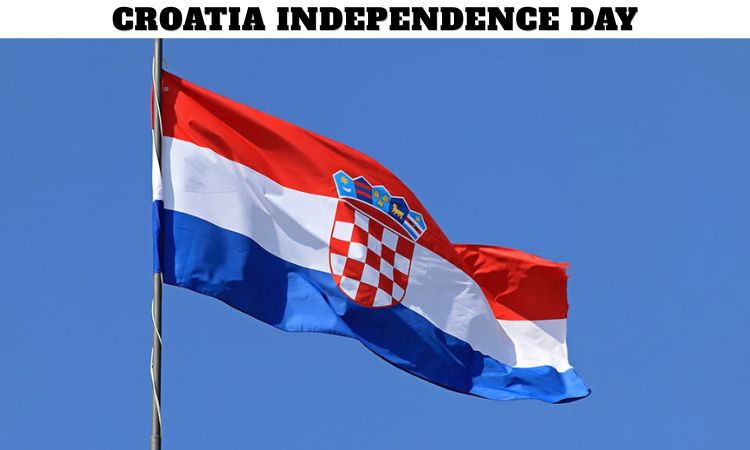
The Croatian flag serves as one of the most visible and meaningful symbols during Independence Day celebrations. Featuring red, white, and blue horizontal stripes with the national coat of arms, the flag represents Croatian sovereignty and national identity.
Throughout the holiday, flags are displayed on government buildings, homes, public squares, schools, and cultural institutions. Citizens proudly showcase the national colors as a sign of respect and patriotism.
The flag reminds people of Croatia’s independence, democratic values, and enduring commitment to national unity.
How Does Croatia Independence Day Educate Younger Generations?
Education is an important aspect of Independence Day observances. Schools, museums, and cultural organizations often organize programs that teach students about Croatia’s history, independence movement, and democratic development.
These educational activities may include:
- Historical presentations
- Documentary screenings
- Classroom discussions
- Museum visits
- Essay competitions
- Cultural workshops
- Interactive exhibitions
By learning about the events that led to independence, younger generations gain a deeper understanding of the sacrifices and achievements that helped shape modern Croatia.
What Are Some Important Symbols Associated with Croatia Independence Day?
Several symbols are closely connected to the holiday and its meaning.
Prominent symbols include:
- The Croatian flag
- The national coat of arms
- Patriotic songs
- Historical monuments
- Memorial sites
- Government institutions
- National emblems
- Independence commemorative displays
These symbols serve as reminders of Croatia’s journey toward sovereignty and the values that continue to define the nation.
How Has Croatia Changed Since Becoming Independent?
Since gaining independence, Croatia has undergone significant political, economic, and social transformation. The country has strengthened democratic institutions, expanded international partnerships, and modernized many aspects of public life.
Major developments include:
- Democratic governance reforms
- Economic growth and modernization
- Infrastructure improvements
- Tourism expansion
- Cultural preservation initiatives
- International cooperation
- Educational advancement
- Increased global engagement
These achievements demonstrate the progress Croatia has made while maintaining a strong connection to its cultural heritage and historical identity.
Why Does Croatia Independence Day Continue to Inspire National Pride?
Independence Day continues to inspire national pride because it commemorates a defining moment in Croatia’s history. The holiday celebrates the realization of a long-standing aspiration for sovereignty and self-determination.
For many citizens, June 25 represents courage, perseverance, and collective achievement. It serves as an opportunity to honor those who contributed to Croatia’s independence while reaffirming a commitment to democracy, freedom, and national progress.
As Croatia continues to evolve and grow, Independence Day remains a powerful reminder of the nation’s journey and the values that unite its people.
Frequently Asked Questions (FAQs)
1. When is Croatia Independence Day celebrated?
Croatia Independence Day is celebrated every year on June 25.
2. What does Croatia Independence Day commemorate?
It commemorates Croatia’s declaration of independence from Yugoslavia in 1991.
3. Why is June 25 important in Croatian history?
June 25 marks the day when the Croatian Parliament formally declared national independence.
4. When did Croatia become an independent nation?
Croatia declared independence on June 25, 1991, and subsequently gained international recognition.
5. How do Croatians celebrate Independence Day?
Celebrations include ceremonies, concerts, educational events, cultural programs, and patriotic gatherings.
6. What is the significance of the Croatian flag on this day?
The flag symbolizes national unity, sovereignty, and Croatian identity.
7. Is Croatia Independence Day a public holiday?
National observances and commemorative events are held throughout the country to mark the occasion.
8. What values does Croatia Independence Day represent?
The holiday represents freedom, democracy, self-determination, and national pride.
9. Why is it important for younger generations?
It helps educate young people about Croatia’s history and the importance of independence.
10. What is the lasting legacy of Croatia’s independence?
The legacy includes democratic governance, international recognition, national sovereignty, and cultural preservation.