

What Is St. Jean Baptiste Day and Why Is It Celebrated on June 24?
St. Jean Baptiste Day, observed annually on June 24, is one of the most significant cultural and religious celebrations associated with French-speaking communities, particularly in Quebec, Canada. Known in French as La Saint-Jean-Baptiste, the holiday honors Saint John the Baptist, a revered biblical figure recognized as the prophet who baptized Jesus Christ.
Over time, the celebration evolved beyond its religious roots and became a powerful symbol of French-Canadian identity, heritage, language, and culture. Today, St. Jean Baptiste Day is widely recognized as Quebec’s national holiday and serves as an occasion for communities to gather, celebrate traditions, and express pride in their cultural legacy.
The day combines history, faith, music, festivals, parades, and community events, creating a vibrant atmosphere that attracts millions of participants each year.
Who Was Saint John the Baptist?
Saint John the Baptist occupies an important place in Christian tradition. According to biblical accounts, he was a prophet who preached repentance and spiritual renewal. His role as the forerunner of Jesus Christ made him one of the most respected figures in Christianity.
John the Baptist is known for baptizing believers in the Jordan River and encouraging people to prepare spiritually for the coming of Christ. His message emphasized humility, faith, and moral responsibility.
The Christian calendar commemorates his birth on June 24, making this date a natural choice for celebrations dedicated to his memory. Throughout centuries, churches around the world have honored Saint John the Baptist with religious ceremonies, prayers, and festivals.
How Did St. Jean Baptiste Day Begin?
The origins of St. Jean Baptiste Day trace back to ancient European midsummer celebrations. Long before Christianity spread throughout Europe, communities marked the summer solstice with bonfires and festivities that celebrated light, growth, and abundance.
As Christianity expanded, many traditional midsummer customs were incorporated into religious observances honoring Saint John the Baptist. French settlers brought these traditions to North America during the seventeenth century.
In New France, the precursor to modern Quebec, June 24 became an important annual celebration. Over generations, the event grew in popularity and eventually developed into a symbol of French-speaking culture and unity.
By the nineteenth century, St. Jean Baptiste Day had become a major cultural event that represented the aspirations, values, and identity of French Canadians.
Why Is St. Jean Baptiste Day Important to Quebec?
For Quebec, St. Jean Baptiste Day represents much more than a religious observance. It has become a celebration of the province’s unique cultural identity, language, traditions, and historical achievements.
The holiday provides an opportunity for residents to reflect on their shared heritage and recognize the contributions of French-speaking communities throughout Canada’s history.
Many people view the day as a celebration of:
- French language and culture
- Historical traditions
- Community pride
- Artistic expression
- Cultural preservation
- Provincial identity
The event encourages unity while highlighting the rich diversity within Quebec society. It remains one of the province’s most anticipated annual celebrations.
How Is St. Jean Baptiste Day Celebrated Today?
Modern St. Jean Baptiste Day celebrations are vibrant, festive, and community-oriented. Across Quebec and other French-speaking regions, people participate in a variety of activities that reflect both traditional and contemporary cultural values.
Common celebrations include:
- Large public concerts
- Cultural festivals
- Family gatherings
- Fireworks displays
- Community picnics
- Historical reenactments
- Street performances
- Religious services
- Art exhibitions
- Local fairs
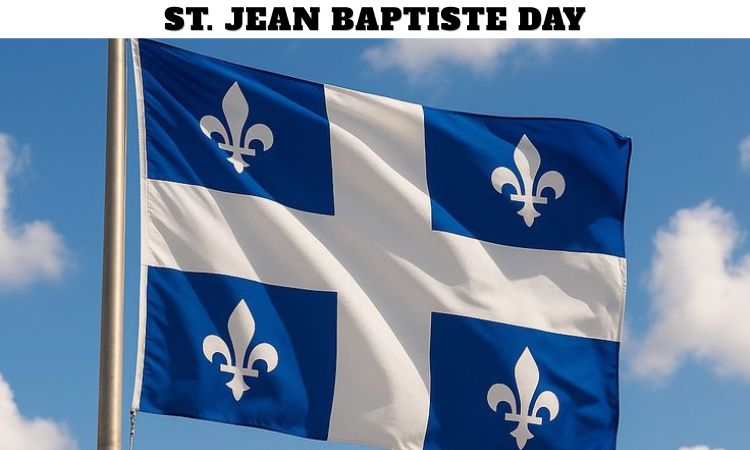
Cities and towns often host special events that attract thousands of attendees. Streets are decorated with blue and white colors associated with Quebec’s identity, creating a festive environment throughout the province.
What Role Do Music and Cultural Performances Play in the Celebration?
Music is one of the defining elements of St. Jean Baptiste Day. Public concerts featuring popular singers, musicians, and performers are often the highlight of the festivities.
Traditional French-Canadian folk music shares the stage with contemporary genres, reflecting both historical roots and modern cultural influences. These performances help preserve cultural traditions while introducing them to younger generations.
Dance performances, theatrical productions, storytelling events, and artistic showcases also contribute to the celebratory atmosphere. Together, these cultural expressions reinforce the importance of heritage and creativity within the community.
Why Are Bonfires Associated with St. Jean Baptiste Day?
Bonfires have been connected to midsummer celebrations for centuries. Historically, communities lit large fires to mark the longest days of the year and celebrate the arrival of summer.
When Christian traditions became integrated with older customs, bonfires remained an important symbol of St. Jean Baptiste Day. The flames came to represent light, renewal, hope, and community spirit.
Although modern celebrations vary by location, bonfires continue to be a cherished tradition in many communities. Families and neighbors often gather around these fires to share stories, music, and festive activities.
How Has St. Jean Baptiste Day Evolved Over Time?
The celebration has undergone significant transformation throughout its history. Initially centered on religious observances honoring Saint John the Baptist, it gradually expanded to include broader cultural and national themes.
During the nineteenth and twentieth centuries, St. Jean Baptiste Day became closely associated with French-Canadian identity and cultural preservation. Public celebrations grew larger, attracting participants from various backgrounds and communities.
Today, the holiday balances historical traditions with contemporary cultural expression. While religious ceremonies remain important for many participants, concerts, festivals, and community events often take center stage.
This evolution reflects the dynamic nature of culture and the ability of traditions to adapt while maintaining their historical significance.
What Symbols Are Commonly Associated with St. Jean Baptiste Day?
Several symbols are commonly linked to the celebration:
- The blue and white colors of Quebec
- Fleur-de-lis imagery
- Bonfires
- Traditional folk costumes
- Music and dance
- Cultural banners
- Historical emblems
- Community flags
These symbols serve as visual reminders of heritage, pride, and cultural continuity. They are prominently displayed during parades, festivals, and public events.
How Does St. Jean Baptiste Day Promote Cultural Heritage?
Cultural heritage preservation is one of the central purposes of St. Jean Baptiste Day. The holiday encourages communities to celebrate and share traditions that have been passed down through generations.
Educational activities often accompany the festivities, helping participants learn about:
- Quebec history
- French-Canadian traditions
- Folk music
- Traditional cuisine
- Historical figures
- Community achievements
By promoting awareness and appreciation of cultural heritage, the holiday helps ensure that important traditions remain vibrant and relevant for future generations.
What Foods Are Traditionally Enjoyed During St. Jean Baptiste Day?
Food plays an important role in many celebrations. Families and communities often gather for meals featuring traditional French-Canadian dishes.
Popular foods may include:
- Tourtière
- Meat pies
- Maple-based desserts
- Baked beans
- Traditional pastries
- Poutine
- Fresh seasonal produce
These culinary traditions strengthen family bonds and provide an opportunity to celebrate local flavors and cultural heritage.
Why Does St. Jean Baptiste Day Continue to Matter Today?
St. Jean Baptiste Day remains relevant because it celebrates identity, history, community, and cultural pride. In an increasingly interconnected world, the holiday provides an opportunity to honor unique traditions while bringing people together through shared experiences.
The celebration serves as a reminder of the importance of preserving language, history, and cultural heritage. It also highlights the enduring power of community gatherings, artistic expression, and collective memory.
As each June 24 arrives, millions of people continue to participate in events that connect the past with the present, ensuring that the spirit of St. Jean Baptiste Day remains strong for future generations.
Frequently Asked Questions (FAQs)
1. When is St. Jean Baptiste Day celebrated?
St. Jean Baptiste Day is celebrated annually on June 24.
2. Who is honored on St. Jean Baptiste Day?
The holiday honors Saint John the Baptist, an important figure in Christianity.
3. Is St. Jean Baptiste Day a public holiday?
Yes, it is recognized as a public holiday in Quebec.
4. Why is St. Jean Baptiste Day important in Quebec?
It celebrates Quebec’s culture, heritage, language, and historical identity.
5. What are common St. Jean Baptiste Day traditions?
Common traditions include concerts, parades, bonfires, festivals, and family gatherings.
6. What colors are associated with the holiday?
Blue and white are commonly associated with St. Jean Baptiste Day.
7. Are religious services part of the celebration?
Yes, many communities continue to hold religious ceremonies and church services.
8. What foods are traditionally enjoyed on this day?
Traditional French-Canadian foods such as tourtière, poutine, and maple desserts are often enjoyed.
9. What is the significance of bonfires?
Bonfires symbolize light, renewal, community spirit, and midsummer traditions.
10. Is St. Jean Baptiste Day celebrated outside Quebec?
Yes, French-speaking communities in other regions and countries may also observe the holiday.