

What Is Mozambique Independence Day and Why Is It Celebrated on June 25?
Mozambique Independence Day is celebrated every year on June 25 to commemorate the country’s liberation from Portuguese colonial rule in 1975. It is one of the most important national holidays in Mozambique and serves as a powerful reminder of the nation’s struggle for freedom, sovereignty, and self-determination.
For Mozambicans, June 25 represents the culmination of years of sacrifice, resilience, and determination. The day honors the efforts of those who fought for independence and celebrates the establishment of Mozambique as a sovereign nation. It is a time for citizens to reflect on their history, recognize their achievements, and look toward a future of unity and progress.
Independence Day is marked by patriotic events, cultural celebrations, educational activities, and official ceremonies that highlight Mozambique’s rich heritage and national identity. Across the country, people come together to celebrate freedom and remember the historic journey that shaped modern Mozambique.
How Did Mozambique Come Under Portuguese Colonial Rule?
Mozambique’s connection with Portugal dates back to the late fifteenth century when Portuguese explorers arrived along the East African coast. Over time, Portugal established trading posts and gradually expanded its influence throughout the region.
For centuries, Mozambique remained under Portuguese colonial administration. During this period, the country’s resources, labor, and economy were largely controlled by colonial authorities. Indigenous populations faced political exclusion, economic inequalities, and limited opportunities for self-governance.
As nationalist movements gained momentum across Africa during the twentieth century, Mozambicans increasingly demanded independence and equal rights. These growing aspirations laid the foundation for a broader movement seeking freedom from colonial rule.
The desire for national sovereignty became stronger as people sought control over their political future, cultural identity, and economic development.
What Led to Mozambique’s Independence Movement?
Several factors contributed to the emergence of Mozambique’s independence movement. The global wave of decolonization following World War II inspired many African nations to pursue self-determination. Across the continent, independence movements challenged colonial systems and advocated for national freedom.
In Mozambique, political activists and nationalist leaders organized efforts to achieve independence. These movements sought to unite diverse communities under a common goal of ending colonial rule and establishing a sovereign nation.
Economic inequality, political marginalization, and restrictions on civil liberties further fueled support for independence. Many Mozambicans believed that freedom was essential for achieving social justice, national development, and equal opportunities.
As public support grew, the independence movement evolved into a coordinated struggle that attracted widespread participation from people across the country.
Who Was FRELIMO and What Role Did It Play in Independence?
The Mozambique Liberation Front (FRELIMO) played a central role in the country’s fight for independence. Established in 1962, FRELIMO united various nationalist groups under a single organization dedicated to ending Portuguese colonial rule.
FRELIMO’s leadership worked to mobilize support both domestically and internationally. The movement advocated for self-determination and sought to create a free and independent Mozambique.
The organization became the primary force behind the liberation struggle and gained recognition from many countries and international institutions. Through political organization, diplomatic efforts, and armed resistance, FRELIMO advanced the cause of independence.
The movement’s success ultimately contributed to negotiations that paved the way for Mozambique’s sovereignty in 1975.
Why Is June 25, 1975, a Historic Date in Mozambique?
June 25, 1975, marks the day Mozambique officially became an independent nation. On this historic occasion, Portuguese colonial rule formally ended, and Mozambique assumed control over its political future.
The declaration of independence represented a transformative moment in the country’s history. It symbolized freedom, national unity, and the fulfillment of long-standing aspirations for self-governance.
Citizens celebrated the achievement with great enthusiasm, viewing it as the beginning of a new era defined by opportunity and national development. The date remains a powerful symbol of sovereignty and continues to be honored annually throughout the country.
For many Mozambicans, June 25 stands as a reminder that determination and collective effort can overcome significant challenges.
How Is Mozambique Independence Day Celebrated Today?
Mozambique Independence Day is celebrated through a variety of events that reflect the nation’s history, culture, and patriotic spirit. Government institutions, schools, communities, and cultural organizations participate in activities designed to commemorate the country’s freedom.
Common celebrations include:
- National flag ceremonies
- Military parades
- Cultural performances
- Public speeches
- Educational programs
- Historical exhibitions
- Community gatherings
- Music festivals
- Traditional dances
- Sporting events
These activities encourage citizens to honor their history while celebrating Mozambique’s achievements as an independent nation.
Throughout the day, patriotic songs and cultural presentations highlight the country’s diverse traditions and collective identity.
What Role Does the National Flag Play During Independence Day?
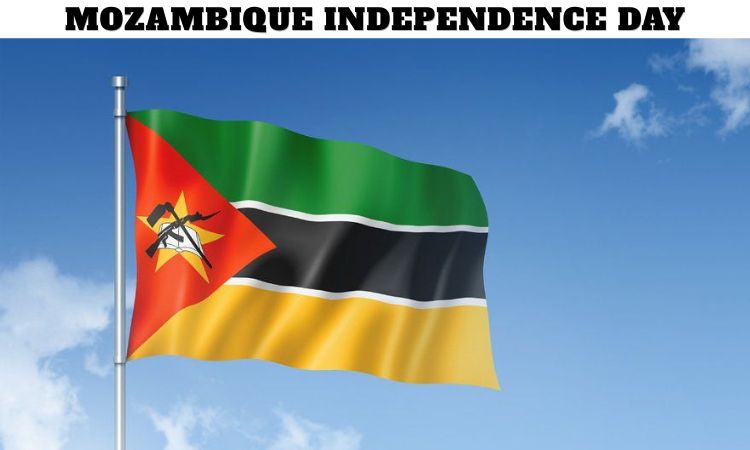
The national flag of Mozambique serves as one of the most important symbols during Independence Day celebrations. It represents the country’s sovereignty, history, and aspirations for progress.
The colors and symbols of the flag reflect significant aspects of Mozambique’s identity, including its natural resources, agricultural heritage, and struggle for liberation.
During Independence Day, the flag is displayed prominently on public buildings, schools, government offices, and private residences. Citizens proudly wave the flag during ceremonies and public events as a demonstration of national pride.
The flag serves as a visual reminder of the sacrifices made to achieve independence and the unity that continues to strengthen the nation.
Why Is National Unity an Important Theme of Independence Day?
Mozambique is home to diverse ethnic groups, languages, and cultural traditions. Independence Day provides an opportunity to celebrate this diversity while emphasizing the importance of national unity.
The struggle for independence brought people together around a common goal of freedom and self-determination. That spirit of solidarity remains a central theme of the holiday.
Through ceremonies and public events, citizens are encouraged to recognize the shared values that unite them as Mozambicans. These include mutual respect, cooperation, and a commitment to national development.
The celebration reinforces the idea that a strong and united society is essential for continued progress and prosperity.
How Does Independence Day Preserve Mozambique’s Cultural Heritage?
Cultural heritage plays a significant role in Independence Day observances. Traditional music, dance, storytelling, and artistic performances showcase the richness of Mozambique’s cultural landscape.
Many communities organize events that highlight local customs and historical traditions. These celebrations help preserve cultural knowledge and pass it on to younger generations.
Cultural performances often feature:
- Traditional dances
- Indigenous musical instruments
- Folk songs
- Storytelling traditions
- Artistic exhibitions
- Handcrafted works
By celebrating cultural heritage, Independence Day strengthens national identity and promotes appreciation for Mozambique’s diverse traditions.
How Do Schools and Educational Institutions Observe the Holiday?
Educational institutions play an important role in commemorating Independence Day. Schools often organize activities that teach students about Mozambique’s history, independence struggle, and national achievements.
These programs may include:
- Classroom discussions
- Historical presentations
- Essay competitions
- Cultural performances
- Art projects
- National history exhibitions
Through education, students gain a deeper understanding of the events that shaped their country and the responsibilities associated with citizenship.
These initiatives ensure that the story of independence remains relevant for future generations.
What Challenges Did Mozambique Face After Independence?
While independence marked a major achievement, Mozambique also faced significant challenges in the years that followed. Building a new nation required the development of political institutions, economic systems, infrastructure, and public services.
The country encountered social, economic, and political difficulties as it worked toward stability and growth. Despite these obstacles, Mozambique continued to pursue development and strengthen its national institutions.
Over time, the country made progress in areas such as education, healthcare, infrastructure, and international cooperation. These achievements reflect the resilience and determination of the Mozambican people.
Independence Day provides an opportunity to recognize both the challenges and successes that have shaped the nation since 1975.
Why Does Mozambique Independence Day Remain Relevant Today?
Mozambique Independence Day remains relevant because it celebrates freedom, sovereignty, and national identity. The holiday serves as a reminder of the sacrifices made by previous generations and the importance of protecting the values they fought to achieve.
The day encourages citizens to reflect on their shared history while considering future opportunities for growth and development. It also promotes civic pride, cultural appreciation, and national unity.
As Mozambique continues to evolve in a rapidly changing world, Independence Day remains a powerful symbol of resilience, hope, and self-determination.
The annual celebration ensures that the story of Mozambique’s liberation continues to inspire future generations and strengthen the bonds that unite the nation.
Frequently Asked Questions (FAQs)
1. When is Mozambique Independence Day celebrated?
Mozambique Independence Day is celebrated annually on June 25.
2. What does Mozambique Independence Day commemorate?
It commemorates Mozambique’s independence from Portuguese colonial rule in 1975.
3. Why is June 25 important in Mozambique’s history?
June 25 marks the day Mozambique officially became an independent nation.
4. Who led the struggle for Mozambique’s independence?
The Mozambique Liberation Front (FRELIMO) played a major role in the independence movement.
5. How is Mozambique Independence Day celebrated?
Celebrations include parades, cultural performances, speeches, educational events, and community gatherings.
6. What is the significance of the national flag on Independence Day?
The flag symbolizes sovereignty, national unity, and the country’s liberation struggle.
7. Why is national unity emphasized during the holiday?
National unity reflects the collective effort that helped Mozambique achieve independence and supports continued development.
8. What cultural activities take place during Independence Day?
Traditional music, dance, storytelling, and artistic performances are commonly featured.
9. How do schools observe Mozambique Independence Day?
Schools organize educational programs, discussions, exhibitions, and cultural activities focused on national history.
10. Why is Mozambique Independence Day still important today?
It honors the nation’s freedom, preserves historical memory, and promotes patriotism and unity.