

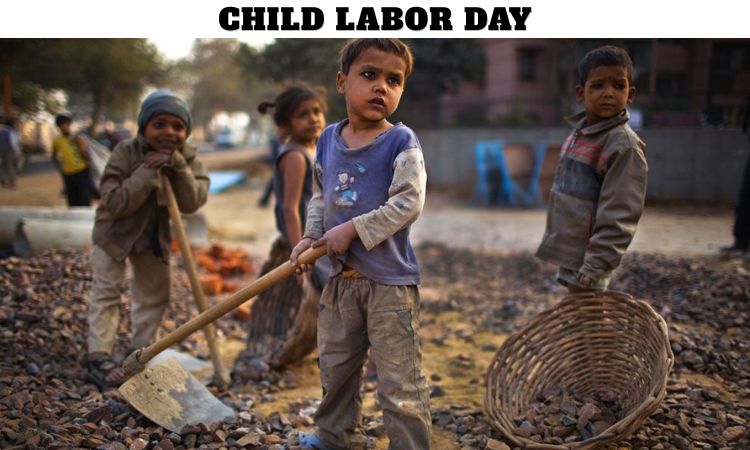
What Is Child Labor Day and Why Is It Observed on June 12?
Child Labor Day, officially known as the International Day Against Child Labour, is observed every year on June 12 to raise awareness about the millions of children around the world who are forced to work instead of enjoying their childhood, receiving an education, and living in a safe environment. The day highlights the urgent need to eliminate child labor and ensure that every child has access to education, healthcare, and protection.
The observance was established by the International Labour Organization (ILO) in 2002. Since then, governments, businesses, educational institutions, and communities have used this day to draw attention to the challenges faced by children trapped in labor and to encourage collective action against exploitation.
Child labor remains a significant global issue despite progress in many countries. Millions of children continue to work in agriculture, manufacturing, mining, domestic service, and other sectors, often under dangerous conditions. Child Labor Day serves as a reminder that protecting children’s rights is a shared responsibility.
What Is Child Labor and How Is It Different from Helping at Home?
Child labor refers to work that deprives children of their childhood, dignity, potential, and education. It includes activities that are mentally, physically, socially, or morally harmful to children and interfere with their schooling.
Not all work performed by children is considered child labor. Age-appropriate tasks such as helping with household chores, assisting in a family business for limited hours, or earning pocket money through safe activities are generally acceptable when they do not affect a child’s education, health, or development.
Child labor becomes a problem when children are forced to work long hours, perform hazardous tasks, miss school, or face exploitation. Such situations limit their opportunities and can have lifelong consequences.
How Did Child Labor Become a Global Concern?
Child labor has existed for centuries. During the Industrial Revolution, children often worked in factories, mines, and workshops under harsh conditions. Many families depended on the income generated by their children to survive.
As awareness grew about the dangers and exploitation associated with child labor, social reformers, labor activists, and governments began advocating for legal protections. Over time, countries introduced laws restricting child employment and promoting compulsory education.
International organizations later joined these efforts, recognizing that child labor was not limited to any single region. Global conventions and agreements established standards for protecting children and eliminating hazardous work. These initiatives transformed child labor from a local issue into a worldwide human rights concern.
Why Is Child Labor Still a Problem Today?
Despite legal protections and international agreements, child labor continues to affect millions of children worldwide. Several factors contribute to the persistence of this problem.
Poverty is one of the leading causes. Families facing financial hardship may rely on their children’s income to meet basic needs. Limited access to quality education can also increase the likelihood of child labor, particularly in rural and underserved communities.
Conflict, natural disasters, migration, and economic instability further increase risks. In such situations, children may become vulnerable to exploitation and forced labor. Weak enforcement of labor laws and lack of social protection programs can also allow child labor to continue unchecked.
Addressing child labor requires tackling these root causes while creating opportunities for education, economic development, and social support.
What Are the Most Common Forms of Child Labor?
Child labor exists in many forms and industries. Some children work in agriculture, helping to harvest crops, care for livestock, or handle dangerous chemicals. Others are employed in factories, construction sites, domestic service, street vending, or small workshops.
One of the most concerning aspects of child labor is hazardous work. This includes jobs that expose children to dangerous machinery, toxic substances, extreme temperatures, heavy loads, or long working hours.
In some cases, children become victims of trafficking, forced labor, or commercial exploitation. These situations represent severe violations of human rights and require urgent intervention.
Understanding the different forms of child labor helps communities identify risks and develop effective solutions.
How Does Child Labor Affect Education?
Education is one of the most powerful tools for breaking the cycle of poverty, yet child labor often prevents children from attending school regularly. Long working hours leave little time or energy for learning, resulting in poor academic performance and higher dropout rates.
Children involved in labor may miss important educational opportunities, reducing their chances of securing better employment in the future. This creates a cycle where poverty passes from one generation to the next.
By ensuring access to quality education and reducing financial barriers, societies can significantly decrease child labor and improve long-term outcomes for children and families.
What Are the Physical and Emotional Consequences of Child Labor?
The effects of child labor extend far beyond lost educational opportunities. Physically, children may suffer injuries, chronic illnesses, malnutrition, and developmental problems due to demanding or hazardous work environments.
Emotionally, child labor can lead to stress, anxiety, depression, and reduced self-esteem. Children who experience exploitation or abuse may face long-lasting psychological challenges.
The combination of physical and emotional harm can affect a child’s overall well-being, relationships, and future prospects. Protecting children from labor exploitation is therefore essential for their healthy development.
How Do International Organizations Fight Child Labor?
International organizations play a crucial role in combating child labor through advocacy, research, policy development, and collaboration with governments.
The International Labour Organization has developed conventions and programs aimed at eliminating child labor, particularly its worst forms. Other organizations work to improve access to education, strengthen child protection systems, and support vulnerable families.
Global campaigns encourage countries to adopt stronger laws, improve enforcement, and invest in social programs that reduce the need for child labor. These efforts have contributed to progress in many regions, although challenges remain.
What Can Governments and Communities Do to End Child Labor?
Governments can reduce child labor by enforcing labor laws, improving education systems, supporting low-income families, and creating economic opportunities for adults. Social protection programs such as scholarships, school meal initiatives, and financial assistance can help keep children in school.
Communities also play an important role. Local leaders, teachers, parents, and businesses can work together to identify at-risk children and provide support. Awareness campaigns help people recognize the harmful effects of child labor and encourage responsible practices.
Collaboration among all stakeholders is essential for creating environments where children can thrive without exploitation.
How Can Individuals Support the Fight Against Child Labor?
Every individual can contribute to the effort to eliminate child labor. Learning about the issue and sharing accurate information helps raise awareness. Supporting organizations that work to protect children’s rights can also make a positive impact.
Consumers can make informed purchasing decisions by choosing products from companies that demonstrate ethical labor practices. Reporting suspected cases of child exploitation to appropriate authorities can help protect vulnerable children.
Volunteering, advocating for stronger protections, and supporting educational initiatives are additional ways to promote positive change.
Why Is Child Labor Day Important for the Future?
Child Labor Day reminds the world that every child deserves a safe and healthy childhood. It encourages governments, organizations, businesses, and individuals to work toward a future where children are free from exploitation and have access to education and opportunities.
The observance also highlights the progress that has been made while emphasizing the need for continued action. Ending child labor is not only a moral responsibility but also an investment in stronger communities and sustainable development.
As the world observes Child Labor Day on June 12, people everywhere are encouraged to support efforts that protect children’s rights and help build a future where every child can learn, grow, and reach their full potential.
Frequently Asked Questions (FAQs)
1. What is Child Labor Day?
Child Labor Day, or the International Day Against Child Labour, is observed on June 12 to raise awareness about child labor and promote actions to eliminate it.
2. When was Child Labor Day established?
The International Labour Organization established the observance in 2002.
3. Why is child labor harmful?
Child labor can harm a child’s physical health, emotional well-being, education, and future opportunities.
4. What causes child labor?
Common causes include poverty, lack of education, economic instability, conflict, and weak enforcement of labor laws.
5. Is all work done by children considered child labor?
No. Age-appropriate tasks that do not interfere with education, health, or development are generally not considered child labor.
6. Which industries commonly involve child labor?
Agriculture, mining, manufacturing, construction, domestic work, and street vending are among the sectors where child labor is often found.
7. How does child labor affect education?
It can reduce school attendance, increase dropout rates, and limit future opportunities.
8. What is hazardous child labor?
Hazardous child labor involves work that is dangerous to a child’s health, safety, or moral development.
9. How can consumers help reduce child labor?
Consumers can support ethical companies, learn about supply chains, and make informed purchasing decisions.
10. Why is June 12 important?
June 12 is recognized globally as a day to raise awareness and encourage action against child labor.