

What Is National Milk Chocolate Day?
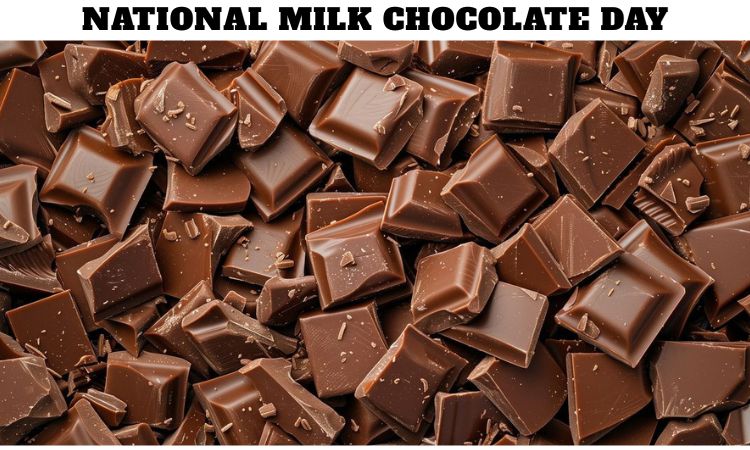
National Milk Chocolate Day is celebrated every year on July 28 to honor one of the world’s most loved sweet treats. From creamy chocolate bars to decadent desserts and comforting hot chocolate, milk chocolate has become an essential part of celebrations, gifts, and everyday indulgence. This special day encourages chocolate lovers to enjoy their favorite milk chocolate creations while learning about the fascinating journey of this delicious confection.
Milk chocolate is known for its smooth texture, sweet flavor, and creamy consistency. Unlike dark chocolate, it contains milk solids or milk powder, giving it a lighter taste that appeals to people of all ages. Whether enjoyed as a candy bar, incorporated into baked goods, or melted into beverages, milk chocolate continues to be one of the most popular forms of chocolate worldwide.
National Milk Chocolate Day is more than just an excuse to enjoy a sweet treat. It also celebrates the innovation, craftsmanship, and history behind one of the food industry’s greatest inventions. Chocolate manufacturers, bakeries, cafés, and households often mark the day by preparing chocolate-based recipes, offering discounts, or simply sharing delicious treats with family and friends.
Why Is National Milk Chocolate Day Celebrated on July 28?
July 28 has been dedicated to recognizing the popularity and cultural importance of milk chocolate. Although the exact origin of National Milk Chocolate Day remains unclear, it has become an annual celebration embraced by chocolate enthusiasts across the United States and beyond.
Milk chocolate has evolved from a luxury enjoyed by the wealthy into an affordable everyday delight. Its universal appeal has made it a symbol of comfort, celebration, and happiness. The observance reminds people to appreciate the craftsmanship involved in chocolate making while enjoying one of the most beloved flavors in the confectionery world.
Every year, candy stores, chocolate brands, bakeries, and restaurants use this occasion to introduce special promotions, limited-edition products, and chocolate-themed desserts. Families often celebrate by baking cookies, brownies, cakes, or simply sharing their favorite chocolate bars together.
How Did Milk Chocolate Originate?
The history of chocolate dates back more than 3,000 years to ancient civilizations in Central and South America. The Maya and Aztec peoples consumed chocolate as a bitter beverage made from roasted cacao beans mixed with spices and water. It was highly valued and often reserved for ceremonies, royalty, and warriors.
Chocolate arrived in Europe during the 16th century, where sugar was added to reduce its bitterness. However, chocolate remained mostly available as a drink for several centuries.
The major breakthrough came in the 19th century. In 1875, Swiss chocolatier Daniel Peter successfully combined chocolate with condensed milk developed by Henri Nestlé. This innovation resulted in the creation of modern milk chocolate. The addition of milk transformed chocolate into a smoother, creamier, and sweeter confection that quickly gained popularity around the world.
Swiss manufacturers continued refining production methods, making milk chocolate even smoother through a process called conching, introduced by Rodolphe Lindt. These advancements laid the foundation for the milk chocolate enjoyed today.
Why Has Milk Chocolate Become So Popular Around the World?
Milk chocolate has gained worldwide popularity because of its balanced sweetness, creamy texture, and versatility. Unlike dark chocolate, which contains a higher percentage of cocoa solids and a more intense flavor, milk chocolate offers a milder taste that appeals to both children and adults.
Its ability to blend well with ingredients such as caramel, nuts, fruits, cookies, wafers, peanut butter, and marshmallows has allowed confectioners to create countless variations. Milk chocolate is equally suitable for candy bars, desserts, beverages, pastries, ice cream, and festive treats.
Marketing campaigns, global distribution, affordable pricing, and continuous product innovation have also contributed to its success. Today, milk chocolate is enjoyed in nearly every country and remains one of the highest-selling chocolate varieties worldwide.
What Ingredients Make Milk Chocolate Different?
Milk chocolate is made using a combination of cocoa solids, cocoa butter, sugar, milk powder or condensed milk, and vanilla or other flavorings. These ingredients create its signature creamy consistency and sweet flavor.
The amount of cocoa varies depending on regional regulations and manufacturer preferences. Many milk chocolates contain between 20% and 40% cocoa solids, while the remaining ingredients contribute to sweetness and texture.
The milk component distinguishes it from dark chocolate, making it softer, lighter in color, and less bitter. Premium milk chocolates often use higher-quality cocoa beans and carefully balanced recipes to produce richer flavors.
How Is Milk Chocolate Manufactured?
Milk chocolate production begins with harvesting ripe cacao pods from cacao trees. The beans are removed, fermented, dried, roasted, and ground into cocoa mass. Cocoa butter and cocoa solids are separated and later recombined according to the desired chocolate formula.
Sugar and milk ingredients are blended with cocoa mass to create a smooth mixture. The chocolate then undergoes refining to reduce particle size and conching to improve texture and flavor. Conching also removes unwanted acidity and develops the characteristic creaminess associated with quality chocolate.
Finally, the chocolate is tempered to stabilize the cocoa butter crystals before being molded into bars, candies, or other products. Proper tempering gives chocolate its glossy appearance and satisfying snap.
What Are the Health Benefits of Milk Chocolate?
Although milk chocolate is often considered a treat, it can provide certain nutritional benefits when enjoyed in moderation. Cocoa contains antioxidants called flavonoids, which may help protect cells from oxidative stress and support heart health.
Milk chocolate also provides calcium from its dairy content, which contributes to healthy bones and teeth. It contains small amounts of magnesium, phosphorus, potassium, and iron, depending on the cocoa content.
Chocolate may also stimulate the release of serotonin and endorphins, chemicals associated with improved mood and feelings of happiness. Many people find that enjoying a small piece of milk chocolate helps reduce stress and provides comfort.
However, because milk chocolate contains added sugar and fat, moderation remains important. A balanced diet combined with occasional chocolate treats is generally considered the healthiest approach.
How Can You Celebrate National Milk Chocolate Day?
National Milk Chocolate Day offers countless ways to enjoy this delicious occasion. Many people begin the day with hot chocolate, chocolate pancakes, or pastries filled with creamy chocolate.
Baking homemade desserts such as brownies, cakes, muffins, cookies, cheesecakes, or chocolate pies is another popular way to celebrate. Families often spend time together preparing favorite recipes and decorating desserts with chocolate chips or melted chocolate.
Visiting a local chocolatier allows people to sample handcrafted chocolates and discover unique flavor combinations. Some chocolate shops organize tasting events or introduce exclusive products specifically for National Milk Chocolate Day.
Many people also celebrate by gifting chocolate boxes to friends, coworkers, teachers, or loved ones. Chocolate has long been associated with appreciation, affection, and celebration, making it a thoughtful gift for almost any occasion.
Watching a movie with chocolate snacks, preparing chocolate milkshakes, making chocolate fondue, or experimenting with new dessert recipes can also make the day memorable.
What Are Some Interesting Facts About Milk Chocolate?
- Milk chocolate has an impressive history filled with fascinating facts. Switzerland is often recognized as one of the world’s leading producers of premium milk chocolate and has one of the highest per-capita chocolate consumption rates.
- The invention of milk chocolate revolutionized the confectionery industry and paved the way for countless chocolate brands that dominate global markets today.
- Chocolate naturally contains small amounts of caffeine and theobromine, compounds that contribute to alertness and its distinctive flavor profile.
- Milk chocolate is commonly used in holiday traditions, including Valentine’s Day, Easter, Halloween, Christmas, birthdays, and anniversaries.
- The global chocolate industry produces millions of tons of chocolate annually, with milk chocolate representing a significant share of consumer purchases.
- Chocolate has inspired museums, festivals, factory tours, culinary competitions, and even educational programs dedicated to cacao farming and chocolate production.
Why Does National Milk Chocolate Day Continue to Grow in Popularity?
National Milk Chocolate Day continues to attract more participants every year because chocolate remains a universal symbol of joy, comfort, and celebration. Social media, food blogs, cooking shows, and online recipes have introduced new ways for people to experience milk chocolate in creative dishes.
Consumers increasingly seek premium chocolates made with responsibly sourced cocoa, unique flavor combinations, and artisanal production methods. At the same time, classic milk chocolate bars continue to evoke childhood memories and nostalgic experiences.
The celebration also highlights the importance of cacao farmers, chocolate artisans, and manufacturers who work together to bring this beloved treat to consumers worldwide. Their dedication ensures that milk chocolate remains one of the most cherished foods across generations.
Whether enjoyed alone as a quick snack or shared during special occasions, milk chocolate continues to bring smiles to millions of people. National Milk Chocolate Day serves as an annual reminder to appreciate the rich history, innovation, and irresistible taste of this timeless confection.
Frequently Asked Questions (FAQs)
1. When is National Milk Chocolate Day celebrated?
National Milk Chocolate Day is celebrated every year on July 28.
2. What is National Milk Chocolate Day?
It is a food holiday dedicated to celebrating milk chocolate and encouraging people to enjoy chocolate-based treats.
3. Who invented milk chocolate?
Swiss chocolatier Daniel Peter is widely credited with inventing milk chocolate in 1875 using condensed milk developed by Henri Nestlé.
4. What makes milk chocolate different from dark chocolate?
Milk chocolate contains milk solids or milk powder, making it sweeter and creamier than dark chocolate.
5. Is milk chocolate healthy?
Milk chocolate contains antioxidants and minerals but should be enjoyed in moderation because it also contains sugar and fat.
6. How can I celebrate National Milk Chocolate Day?
You can celebrate by eating chocolate bars, baking desserts, visiting a chocolate shop, making hot chocolate, or sharing chocolate with loved ones.
7. What are the main ingredients in milk chocolate?
Milk chocolate typically contains cocoa solids, cocoa butter, sugar, milk powder or condensed milk, and vanilla.
8. Why is milk chocolate so popular?
Its creamy texture, balanced sweetness, and versatility make it one of the world’s favorite chocolate varieties.
9. Which country is famous for milk chocolate?
Switzerland is internationally renowned for producing high-quality milk chocolate.
10. Can milk chocolate be used in cooking and baking?
Yes. Milk chocolate is widely used in cakes, cookies, brownies, pastries, ice cream, beverages, and many other desserts.