

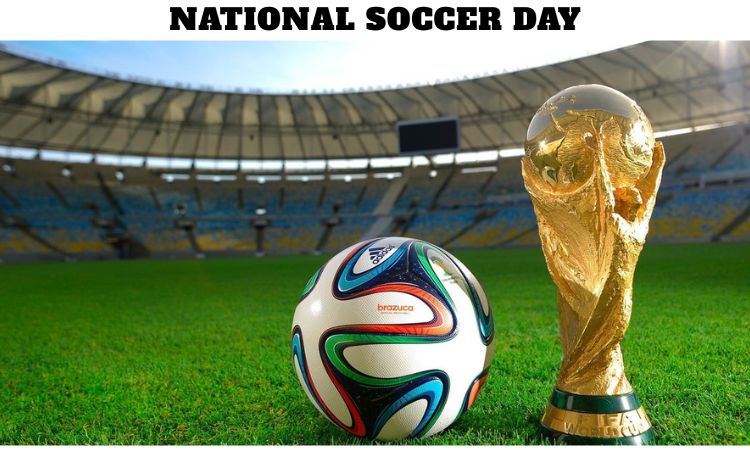
What Is National Soccer Day?
National Soccer Day is celebrated every year on July 28 to recognize one of the world’s most loved and widely played sports. Soccer, known as football in most countries, brings together millions of players and billions of fans regardless of age, culture, or nationality. The day encourages everyone to appreciate the game’s rich history, remarkable achievements, and positive influence on communities worldwide. Whether someone plays professionally, enjoys weekend matches with friends, coaches young athletes, or simply cheers for their favorite club, National Soccer Day provides the perfect opportunity to celebrate the beautiful game.
Soccer is much more than a sport. It teaches discipline, teamwork, perseverance, communication, leadership, and respect. Throughout history, soccer has united countries during international tournaments and created unforgettable memories for generations of supporters. From neighborhood parks to massive stadiums filled with passionate fans, the sport continues to inspire people around the globe.
National Soccer Day also encourages newcomers to experience soccer for the first time. Children often discover the sport through school teams or local clubs, while adults frequently enjoy recreational leagues that promote health and social interaction. The simplicity of the game makes it accessible almost anywhere with just a ball and a small open space.
Why Is National Soccer Day Celebrated?
National Soccer Day exists to honor soccer’s extraordinary influence on sports culture and everyday life. Unlike many sports that require specialized equipment or facilities, soccer can be played almost anywhere with minimal resources. This accessibility has helped make it the most popular sport on Earth.
The celebration highlights the values soccer represents. Players learn to cooperate toward common goals, respect officials and opponents, and overcome challenges through persistence. These lessons extend beyond the field and positively influence education, careers, and personal relationships.
Communities also benefit significantly from soccer. Local clubs create friendships, promote healthy lifestyles, encourage youth participation in sports, and provide opportunities for personal growth. National Soccer Day recognizes these contributions while motivating people of all ages to stay active and connected through sports.
For many families, soccer traditions span generations. Parents introduce children to favorite clubs, siblings compete together in local leagues, and communities gather to watch international competitions. National Soccer Day celebrates these lasting connections that make the sport truly special.
How Did Soccer Become the World’s Most Popular Sport?
Modern soccer traces its origins to England during the nineteenth century, although games involving kicking a ball have existed for thousands of years in various civilizations. In 1863, standardized rules were established, creating the foundation for the modern game played today. As international travel and communication expanded, soccer spread rapidly across Europe, South America, Africa, Asia, and eventually every inhabited continent.
The sport’s straightforward rules made it easy to understand while allowing endless creativity and tactical innovation. Countries developed unique playing styles that reflected their cultures, producing legendary teams and unforgettable matches.
International competitions dramatically increased soccer’s popularity. Continental championships and global tournaments attracted enormous audiences, introducing fans to talented players from around the world. Television broadcasts, followed by digital streaming and social media, further expanded soccer’s reach, making matches accessible to billions of viewers.
Today, professional leagues operate in countless countries, youth academies develop future stars, and grassroots organizations introduce millions of children to the sport every year. National Soccer Day celebrates this remarkable journey from local fields to a truly global phenomenon.
What Makes Soccer So Popular Across Different Countries?
Soccer’s universal appeal comes from its simplicity, excitement, and inclusiveness. Almost anyone can participate regardless of economic background, age, or experience. A single ball and an open area are often enough to start playing.
The sport also combines physical fitness with mental strategy. Players must think quickly, communicate effectively, anticipate opponents’ movements, and make split-second decisions throughout a match. Every game offers unpredictable moments, dramatic goals, incredible saves, and emotional victories that keep fans engaged until the final whistle.
Soccer also creates strong emotional connections. Supporters often follow the same club throughout their lives, celebrating championships and enduring difficult seasons together. International tournaments inspire national pride as countries unite behind their teams.
Another reason for soccer’s popularity is its ability to bridge cultural differences. Regardless of language, religion, or nationality, people can enjoy the excitement of a match together. National Soccer Day celebrates this unique ability to unite communities through sport.
How Does Soccer Benefit Physical and Mental Health?
Playing soccer provides numerous health benefits that contribute to overall well-being. The continuous movement during matches improves cardiovascular fitness, strengthens muscles, increases endurance, enhances coordination, and supports healthy weight management.
Because soccer involves sprinting, jogging, changing direction, and maintaining balance, players develop agility and flexibility while improving reaction time. Regular participation also contributes to stronger bones and better overall physical conditioning.
The mental benefits are equally important. Soccer helps reduce stress, improves concentration, builds confidence, and encourages emotional resilience. Working toward team objectives teaches responsibility, patience, and effective communication.
Children who participate in soccer often develop leadership skills, better social relationships, and increased self-esteem. Adults benefit from regular exercise while enjoying friendships formed through recreational leagues and community events. National Soccer Day reminds everyone that sports can improve both physical and mental health.
How Can You Celebrate National Soccer Day?
There are many enjoyable ways to celebrate National Soccer Day regardless of your skill level or experience. Playing a friendly match with family or friends is one of the simplest and most rewarding activities. Local parks and community fields often become gathering places where people of all ages can participate.
Watching a professional match is another excellent way to appreciate the game’s strategy, athleticism, and excitement. Many fans use the day to revisit memorable historic matches or documentaries about legendary players and iconic teams.
Parents can introduce children to soccer by practicing basic skills together, including passing, dribbling, and shooting. Schools and community organizations may organize tournaments, coaching clinics, or youth competitions to encourage participation.
Many supporters also celebrate by wearing their favorite club or national team jerseys, discussing memorable matches with fellow fans, or volunteering with youth soccer programs. Sharing the joy of the game helps strengthen local soccer communities while inspiring future generations.
Who Are Some Legendary Soccer Players?
Soccer history is filled with remarkable athletes whose achievements continue to inspire fans around the world. Legends such as Pelé, Diego Maradona, Johan Cruyff, Franz Beckenbauer, Zinedine Zidane, Ronaldinho, Cristiano Ronaldo, Lionel Messi, Marta, Mia Hamm, and many others have transformed the sport through extraordinary talent and dedication.
These players represent different generations and playing styles, yet they all demonstrated exceptional skill, leadership, and commitment. Many also contributed to charitable initiatives and youth development programs, using their influence to support communities beyond the field.
Young players often study these legends to improve their techniques, understand tactical awareness, and appreciate the values of sportsmanship. National Soccer Day provides an opportunity to remember these icons while recognizing current stars who continue advancing the sport worldwide.
What Are Some Interesting Facts About Soccer?
Soccer contains countless fascinating records and traditions that contribute to its global popularity. More countries participate in international soccer competitions than in almost any other sport. Billions of viewers watch major tournaments, making them among the most widely viewed sporting events worldwide.
A standard soccer match lasts ninety minutes, divided into two forty-five-minute halves, although additional time may be added for stoppages or extra periods during knockout competitions. Professional players often run several miles during a single match while constantly changing speed and direction.
Goalkeepers remain the only players allowed to handle the ball with their hands inside their own penalty area. The offside rule, although sometimes challenging for new fans, helps maintain competitive balance and encourages strategic attacking play.
Soccer terminology also varies globally. While North America commonly uses the word “soccer,” most countries refer to the sport simply as “football.” Despite different names, the game’s rules and universal appeal remain the same.
Why Does National Soccer Day Continue to Grow in Popularity?
Interest in National Soccer Day continues increasing because soccer itself continues expanding around the world. Women’s soccer has experienced remarkable growth, attracting larger audiences, greater investment, and increasing opportunities for young athletes. Youth participation remains strong in many countries as schools and local clubs promote inclusive programs.
Technology has also transformed fan experiences. Live streaming, social media, advanced statistics, and interactive broadcasts allow supporters to follow matches from virtually anywhere. Fans can connect with fellow supporters across continents, creating truly global communities united by their passion for soccer.
The sport’s emphasis on teamwork, diversity, and perseverance remains especially meaningful in today’s interconnected world. National Soccer Day celebrates not only athletic achievement but also friendship, cultural exchange, and lifelong learning through sport.
Why Should Everyone Experience Soccer at Least Once?
Soccer offers something valuable for nearly everyone. Whether playing competitively, exercising with friends, coaching children, or simply enjoying the excitement of professional matches, the sport creates memorable experiences that extend far beyond the field.
Unlike many recreational activities, soccer welcomes participants with varying skill levels. Beginners can quickly learn the basics, while experienced players continually discover new techniques and strategies. The sport encourages continuous improvement while emphasizing respect, cooperation, and fair competition.
National Soccer Day reminds us that soccer is more than a game. It is a universal language that connects people across cultures, inspires healthy lifestyles, teaches valuable life lessons, and creates unforgettable moments shared by families, friends, teammates, and fans around the world. Every kick, pass, save, and goal contributes to a tradition that has united generations and continues inspiring millions every single day.
Frequently Asked Questions (FAQs)
1. When is National Soccer Day celebrated?
National Soccer Day is celebrated annually on July 28.
2. What is the purpose of National Soccer Day?
The day celebrates soccer’s history, global popularity, and positive impact on communities and healthy lifestyles.
3. Is soccer the same as football?
Yes. Soccer is called football in most countries outside North America.
4. Who can celebrate National Soccer Day?
Anyone can celebrate, including players, coaches, fans, families, and people new to the sport.
5. How can I celebrate National Soccer Day?
You can play soccer, watch a match, support a local team, coach young players, or learn more about the sport’s history.
6. Why is soccer considered the world’s most popular sport?
Its simple rules, accessibility, global competitions, and universal appeal make it the most widely played and watched sport.
7. What are the health benefits of playing soccer?
Soccer improves cardiovascular fitness, strength, coordination, endurance, teamwork, confidence, and mental well-being.
8. Can children participate in National Soccer Day activities?
Yes. The day is ideal for youth clinics, school tournaments, and family-friendly soccer games.
9. Who are some famous soccer legends?
Pelé, Diego Maradona, Lionel Messi, Cristiano Ronaldo, Marta, Mia Hamm, Johan Cruyff, and Zinedine Zidane are among the sport’s greatest legends.
10. Why is soccer called the beautiful game?
The phrase reflects soccer’s creativity, skill, teamwork, excitement, and ability to unite people across cultures.