

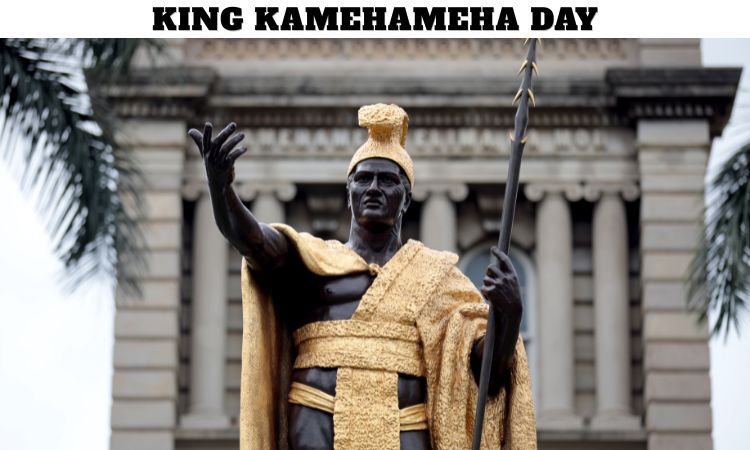
Why Is King Kamehameha Day Celebrated on June 11?
King Kamehameha Day is celebrated annually on June 11 to honor the legacy of King Kamehameha I, the ruler who united the Hawaiian Islands into a single kingdom. The holiday is one of Hawaii’s most significant cultural observances and recognizes the leadership, vision, and achievements of a king whose influence continues to shape Hawaiian history and identity.
The observance serves as an opportunity for residents and visitors alike to reflect on the accomplishments of King Kamehameha I and the lasting impact of his leadership. Through parades, ceremonies, cultural performances, and educational activities, the day celebrates both the king’s achievements and the rich heritage of Hawaii.
King Kamehameha Day is more than a historical remembrance. It is a celebration of Hawaiian culture, traditions, and pride. Communities across the islands come together to honor a leader who played a pivotal role in establishing unity during a critical period in Hawaiian history.
The holiday also encourages younger generations to learn about Hawaii’s past and appreciate the cultural values that continue to define the islands today. Through public celebrations and cultural education, King Kamehameha Day remains a vibrant expression of Hawaiian identity and respect for historical leadership.
Who Was King Kamehameha I?
King Kamehameha I was a Hawaiian monarch known for successfully uniting the Hawaiian Islands under a single rule. Born during the eighteenth century, he rose to prominence through leadership, strategic alliances, and military skill.
Before his reign, the Hawaiian Islands were governed by separate chiefs and rulers. Kamehameha recognized the importance of unity and worked toward bringing the islands together into one kingdom. His efforts culminated in the establishment of the Kingdom of Hawaii, creating a more centralized and stable government.
Beyond his military achievements, Kamehameha was respected for his governance and commitment to maintaining order. He introduced laws and policies that promoted stability and protected his people. His leadership laid the foundation for the future development of the Hawaiian Kingdom.
Today, King Kamehameha I is remembered as one of Hawaii’s most influential historical figures. His legacy continues to inspire pride and respect throughout the islands and beyond.
What Is the History Behind King Kamehameha Day?
King Kamehameha Day was established to commemorate the life and achievements of King Kamehameha I. The holiday was officially created during the nineteenth century to ensure that future generations would remember the king’s contributions to Hawaiian history.
The observance was introduced as a way to honor the monarch who united the islands and helped establish a strong Hawaiian nation. Over time, the holiday became an important cultural tradition celebrated throughout Hawaii.
The annual celebration evolved to include public ceremonies, parades, and cultural events that highlight Hawaiian heritage. These traditions allow communities to preserve historical knowledge while expressing appreciation for the accomplishments of King Kamehameha I.
As one of Hawaii’s oldest state holidays, King Kamehameha Day continues to connect modern Hawaiians with their history and cultural roots. It serves as a reminder of the leadership and vision that helped shape the Hawaiian Kingdom.
Why Is King Kamehameha Important to Hawaiian History?
King Kamehameha I holds a unique place in Hawaiian history because he successfully achieved what no other leader had accomplished before: the political unification of the Hawaiian Islands.
His leadership transformed the islands from separate chiefdoms into a unified kingdom. This achievement provided greater stability and allowed Hawaii to strengthen its political and economic position during a period of increasing international contact.
Kamehameha’s vision extended beyond military success. He understood the importance of governance, law, and diplomacy. His leadership helped establish systems that contributed to the kingdom’s long-term growth and development.
His influence can still be seen in Hawaiian culture and identity. Many people view him as a symbol of strength, determination, wisdom, and unity.
King Kamehameha Day recognizes these contributions and ensures that his legacy remains an important part of Hawaiian history and education.
What Traditions Are Associated With King Kamehameha Day?
One of the most recognizable traditions associated with King Kamehameha Day is the ceremonial draping of floral leis over statues of King Kamehameha I. These colorful and elaborate displays symbolize respect, gratitude, and admiration for the king.
The tradition often involves community participation, with volunteers and cultural organizations working together to create the large floral garlands. The event attracts both residents and visitors who gather to witness the ceremony.
Parades are another important tradition. Participants may include marching bands, horseback riders, cultural groups, community organizations, and representatives of Hawaiian heritage.
Traditional Hawaiian music and dance performances frequently accompany celebrations. These cultural expressions help preserve important customs while sharing Hawaiian traditions with wider audiences.
The holiday also includes educational programs, historical presentations, and cultural exhibitions that promote awareness of Hawaiian history and the legacy of King Kamehameha I.
How Do Hawaiians Celebrate King Kamehameha Day?
Communities throughout Hawaii celebrate King Kamehameha Day with a variety of events that honor both the king and Hawaiian culture. Public ceremonies often begin with the decoration of statues and memorials dedicated to King Kamehameha I.
Parades are among the most popular aspects of the celebration. These events showcase traditional Hawaiian attire, music, dance, and cultural pride. Spectators gather to enjoy performances and participate in community festivities.
Cultural festivals may feature Hawaiian arts and crafts, traditional foods, storytelling, and educational exhibits. These activities provide opportunities for people of all ages to learn about Hawaiian history and customs.
Many schools and organizations use the holiday as a teaching opportunity, helping younger generations understand the significance of the king’s accomplishments.
The celebrations create a sense of unity and pride while reinforcing the importance of preserving Hawaiian traditions and heritage.
Why Are Leis Important During King Kamehameha Day?
Leis hold deep cultural significance in Hawaiian tradition and play a central role in King Kamehameha Day celebrations. These floral garlands symbolize affection, respect, honor, and welcome.
During the holiday, large leis are carefully placed on statues of King Kamehameha I as a tribute to his legacy. The process often requires significant community effort and cooperation, reflecting the spirit of unity associated with the king’s achievements.
The flowers used in leis add beauty and symbolism to the celebration. Their vibrant colors represent the natural beauty of Hawaii and the cultural traditions that have been passed down through generations.
The act of presenting a lei is considered a meaningful gesture of appreciation. On King Kamehameha Day, this tradition becomes a powerful expression of respect for a leader who shaped the course of Hawaiian history.
Leis serve as both cultural symbols and visual reminders of the values celebrated during the holiday.
How Does King Kamehameha Day Promote Hawaiian Culture?
King Kamehameha Day plays an important role in preserving and promoting Hawaiian culture. Through public celebrations and educational initiatives, the holiday helps ensure that traditional customs remain visible and relevant.
Cultural performances showcase Hawaiian music, dance, language, and storytelling. These activities provide opportunities for people to experience and appreciate the richness of Hawaiian heritage.
Educational programs encourage learning about the history of the Hawaiian Kingdom and the achievements of King Kamehameha I. Understanding this history helps strengthen cultural identity and pride.
The holiday also highlights the importance of community, respect, and unity—values that are deeply rooted in Hawaiian traditions.
By bringing people together to celebrate shared heritage, King Kamehameha Day contributes to the ongoing preservation of Hawaiian culture for future generations.
What Lessons Can Be Learned From King Kamehameha’s Legacy?
The legacy of King Kamehameha I offers valuable lessons about leadership, determination, and vision. His success in uniting the islands demonstrates the importance of working toward common goals for the benefit of a larger community.
His leadership emphasizes the value of strategic thinking and adaptability. He recognized changing circumstances and made decisions that strengthened the Hawaiian Kingdom.
The king’s commitment to governance and public welfare highlights the importance of responsible leadership. His efforts to establish stability and protect his people continue to serve as examples of effective leadership.
Another lesson from his legacy is the importance of cultural preservation. King Kamehameha Day reminds people to honor history and maintain traditions that contribute to collective identity.
These lessons remain relevant today and continue to inspire individuals and communities around the world.
What Is the Lasting Significance of King Kamehameha Day?
The lasting significance of King Kamehameha Day lies in its celebration of unity, leadership, and cultural heritage. The holiday honors a ruler whose achievements transformed Hawaiian history and established a lasting legacy.
Through annual observances, people are reminded of the importance of preserving historical knowledge and cultural traditions. The holiday strengthens connections between generations by encouraging education and community participation.
King Kamehameha Day also serves as a symbol of Hawaiian pride and identity. It celebrates the values of cooperation, respect, and perseverance that contributed to the success of the Hawaiian Kingdom.
As communities gather each year to honor King Kamehameha I, they reaffirm their commitment to preserving the traditions and history that define Hawaii. The observance remains a powerful reminder of the enduring influence of one of Hawaii’s greatest leaders.
Frequently Asked Questions (FAQs)
1. What is King Kamehameha Day?
King Kamehameha Day is a Hawaiian holiday honoring King Kamehameha I and his role in uniting the Hawaiian Islands.
2. When is King Kamehameha Day celebrated?
It is celebrated annually on June 11.
3. Who was King Kamehameha I?
King Kamehameha I was the first ruler to unite the Hawaiian Islands into one kingdom.
4. Why is King Kamehameha important?
He established the Kingdom of Hawaii and helped create political unity among the islands.
5. Is King Kamehameha Day a public holiday?
Yes, it is an official state holiday in Hawaii.
6. What is the lei draping ceremony?
It is a tradition in which large floral leis are placed on statues of King Kamehameha I to honor his legacy.
7. How is King Kamehameha Day celebrated?
Celebrations include parades, cultural festivals, ceremonies, music, dance, and educational events.
8. Why are leis important during the holiday?
Leis symbolize respect, honor, appreciation, and Hawaiian cultural traditions.
9. What does the holiday teach future generations?
It teaches the importance of leadership, unity, cultural preservation, and Hawaiian history.
10. Why is King Kamehameha Day significant today?
It preserves Hawaiian heritage and honors one of the most influential figures in Hawaii’s history.