

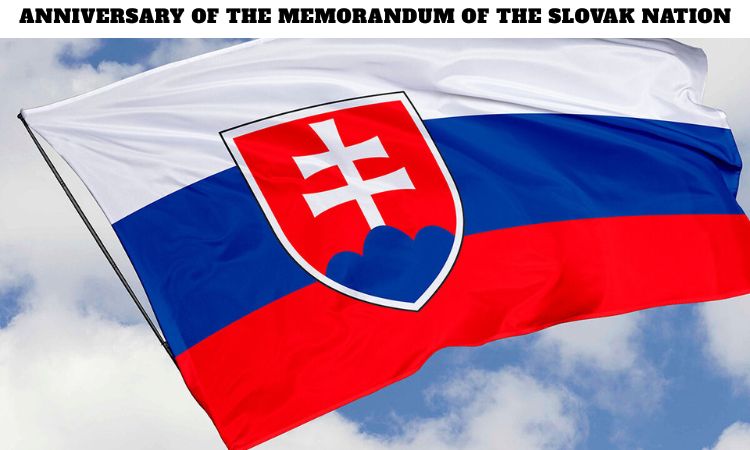
What Is the Anniversary of the Memorandum of the Slovak Nation and Why Is It Observed on June 7?
The Anniversary of the Memorandum of the Slovak Nation, observed on June 7, commemorates one of the most important milestones in Slovak national history. The occasion honors the presentation of the Memorandum of the Slovak Nation in 1861, a historic document that expressed the political, cultural, and national aspirations of the Slovak people during the nineteenth century.
The memorandum represented a significant effort by Slovak leaders to secure recognition of Slovak national identity, language rights, and political representation within the Kingdom of Hungary, which was then part of the larger Habsburg Empire. It became a symbol of national awakening and the determination of Slovaks to preserve their culture and heritage during a period of political and social change.
The anniversary serves as a reminder of the struggles and achievements of earlier generations who worked to strengthen Slovak identity and promote national self-determination. It remains an important historical observance that encourages reflection on the development of modern Slovakia and its cultural legacy.
What Was the Memorandum of the Slovak Nation?
The Memorandum of the Slovak Nation was a political and cultural document drafted by Slovak representatives in 1861. It outlined the demands and aspirations of the Slovak people regarding their status, rights, and recognition within the Kingdom of Hungary.
The memorandum called for greater autonomy in areas inhabited by Slovaks and advocated for the protection of the Slovak language, culture, and educational institutions. It emphasized the importance of allowing Slovaks to participate more fully in political and public life while preserving their national identity.
At a time when many European peoples were asserting their cultural and national rights, the memorandum reflected broader movements for self-expression and recognition. It provided a formal statement of Slovak aspirations and became a cornerstone of the Slovak national movement.
Although not all of its proposals were immediately implemented, the document had a lasting influence on Slovak political thought and national consciousness.
Why Was the Memorandum of the Slovak Nation Created?
The memorandum emerged during a period of significant political transformation in Central Europe. The nineteenth century witnessed growing national movements among various ethnic and linguistic groups seeking recognition and greater political participation.
For many Slovaks, concerns existed regarding cultural preservation, language rights, and representation within governing institutions. Leaders of the Slovak national movement believed that formal recognition of Slovak identity was necessary to ensure the survival and development of their culture.
The memorandum was created as a response to these concerns and as a means of presenting a unified vision for the future of the Slovak people. It articulated the desire for equality, cultural protection, and greater involvement in public affairs.
The document represented both a political initiative and a cultural declaration, expressing the aspirations of a community seeking acknowledgment of its distinct national character.
Who Were the Key Figures Behind the Memorandum?
The Memorandum of the Slovak Nation was developed through the efforts of prominent Slovak intellectuals, cultural leaders, educators, and political activists. These individuals played important roles in advancing Slovak national awareness during the nineteenth century.
Among the most influential figures associated with the Slovak national movement were Štefan Marko Daxner, Jozef Miloslav Hurban, and Michal Miloslav Hodža. These leaders advocated for Slovak cultural and political rights while promoting education and national consciousness.
Their efforts helped unite various segments of Slovak society around common goals and aspirations. Through speeches, publications, political activities, and organizational leadership, they contributed significantly to the development of Slovak identity.
The anniversary honors not only the memorandum itself but also the dedication of those who worked tirelessly to advance the interests of their nation.
How Did the Memorandum Reflect the Slovak National Awakening?
The Slovak National Awakening was a cultural and political movement aimed at strengthening Slovak identity and preserving national traditions. The memorandum represented one of the movement’s most important achievements because it transformed cultural aspirations into a formal political statement.
During this period, intellectuals and community leaders worked to promote the Slovak language, literature, education, and historical awareness. They sought to cultivate a sense of national unity among Slovaks living in different regions.
The memorandum reflected these efforts by emphasizing the importance of language, culture, and self-representation. It demonstrated that Slovak leaders were actively engaging in discussions about governance, citizenship, and national rights.
As a result, the document became a lasting symbol of the broader national awakening and the desire to secure a respected place for Slovaks within the political landscape of the time.
What Were the Main Goals of the Memorandum?
The memorandum outlined several important objectives intended to improve the status of Slovaks within the Kingdom of Hungary. One of its primary goals was the recognition of Slovaks as a distinct national community with legitimate cultural and political interests.
The document advocated for administrative arrangements that would better reflect the presence of Slovak populations in specific regions. It also called for the protection and promotion of the Slovak language in education, public administration, and cultural life.
Another key objective was the establishment of institutions that would support Slovak cultural development and educational advancement. The memorandum emphasized the importance of preserving national traditions while participating fully in public affairs.
These goals reflected a desire for equality, cultural preservation, and meaningful representation rather than separation or conflict.
How Did the Memorandum Influence Slovak History?
Although the memorandum did not immediately achieve all of its objectives, its historical significance cannot be overstated. It became a foundational document for future generations of Slovak leaders and activists.
The ideas expressed within the memorandum continued to influence political discussions and national movements throughout the late nineteenth and early twentieth centuries. It provided a framework for advocating cultural rights and national recognition.
The document also strengthened awareness of Slovak identity and encouraged greater participation in public life. Its legacy contributed to the development of institutions and movements that eventually played important roles in shaping modern Slovakia.
Today, historians regard the memorandum as one of the defining documents of Slovak national history and an important milestone in the nation’s journey toward greater self-determination.
Why Is National Identity Important in Slovak History?
National identity has played a significant role in Slovak history because it helped preserve cultural traditions, language, and historical continuity during periods of political change. Throughout the centuries, Slovaks maintained a strong connection to their heritage through literature, education, religion, and community life.
The nineteenth-century national movement emphasized the importance of protecting these cultural foundations while seeking broader recognition within political structures. Documents such as the Memorandum of the Slovak Nation became important tools for expressing collective aspirations and strengthening unity.
National identity provided a sense of belonging and continuity that helped communities navigate social and political transformations. The anniversary highlights the importance of cultural heritage and the efforts made to preserve it for future generations.
How Is the Anniversary of the Memorandum of the Slovak Nation Observed?
The anniversary is observed through educational, cultural, and commemorative activities that honor the historical significance of the memorandum. Schools, museums, cultural institutions, and historical organizations often organize programs that explore the document’s legacy and impact.
Lectures, exhibitions, academic discussions, and public ceremonies may be held to educate people about the events of 1861 and the broader context of the Slovak national movement. Historical sites associated with the memorandum sometimes become focal points for commemorative events.
Students and researchers may use the occasion to study Slovak history, language development, and national identity. Cultural organizations often promote awareness of the memorandum through publications, presentations, and community activities.
These observances help ensure that the contributions of earlier generations remain remembered and appreciated.
What Can People Learn From the Memorandum Today?
The Memorandum of the Slovak Nation continues to offer valuable lessons about cultural preservation, civic participation, and the importance of peaceful advocacy. It demonstrates how communities can articulate their aspirations through dialogue, organization, and collective action.
The document highlights the significance of language, education, and cultural institutions in maintaining national identity. It also illustrates the role of leadership and cooperation in pursuing social and political goals.
Modern audiences can learn about the importance of respecting cultural diversity and promoting understanding among different communities. The memorandum serves as an example of how people have historically worked to preserve their heritage while seeking greater inclusion and representation.
These lessons remain relevant in today’s interconnected and multicultural world.
Why Does the Anniversary of the Memorandum of the Slovak Nation Continue to Matter?
The Anniversary of the Memorandum of the Slovak Nation continues to matter because it commemorates a defining moment in the development of Slovak national consciousness. The document represented the hopes, aspirations, and determination of a people seeking recognition, equality, and cultural preservation.
The observance encourages reflection on the historical journey that contributed to the formation of modern Slovakia. It honors the individuals who advocated for education, language rights, and national identity while promoting awareness of the country’s rich cultural heritage.
As Slovakia continues to evolve in the modern world, the anniversary serves as a reminder of the enduring importance of history, culture, and civic engagement. By remembering the memorandum and its legacy, people gain a deeper appreciation for the values and achievements that helped shape the nation.
Frequently Asked Questions (FAQs)
1. When is the Anniversary of the Memorandum of the Slovak Nation observed?
It is observed annually on June 7.
2. What was the Memorandum of the Slovak Nation?
It was a historic document presented in 1861 outlining Slovak political and cultural aspirations.
3. Why is the memorandum important?
It became a key symbol of Slovak national identity and cultural preservation.
4. In what year was the memorandum created?
The memorandum was created and presented in 1861.
5. What rights did the memorandum advocate for?
It advocated for cultural recognition, language rights, education, and political representation.
6. Who participated in drafting the memorandum?
Prominent Slovak intellectuals, politicians, educators, and national leaders contributed to its creation.
7. How did the memorandum influence Slovak history?
It strengthened national consciousness and influenced future political and cultural movements.
8. How is the anniversary celebrated?
Through educational programs, exhibitions, lectures, and cultural commemorations.
9. Why is national identity significant in Slovak history?
It helped preserve language, culture, and heritage during periods of political change.
10. What lessons can modern society learn from the memorandum?
It teaches the importance of cultural preservation, civic engagement, and peaceful advocacy for community rights.