

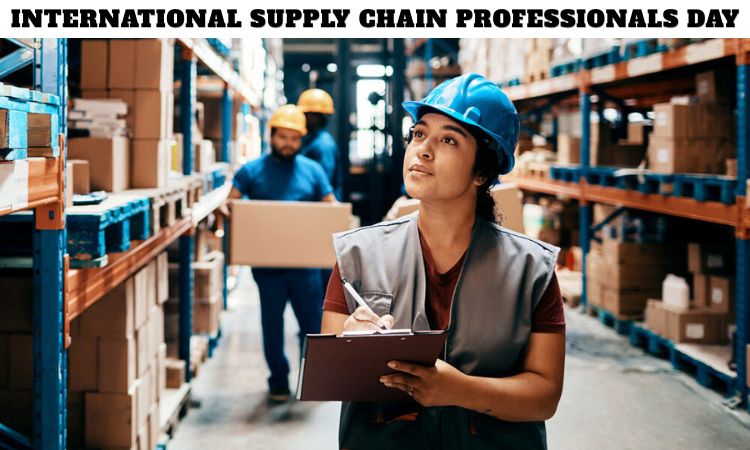
What Is International Supply Chain Professionals Day and Why Is It Celebrated on June 7?
International Supply Chain Professionals Day, observed annually on June 7, recognizes the dedicated professionals who ensure that products, materials, and services move efficiently from suppliers to consumers. The day celebrates the expertise, innovation, and commitment of individuals working across the global supply chain network, including procurement specialists, logistics managers, transportation coordinators, warehouse operators, inventory analysts, planners, and supply chain executives.
Modern economies depend heavily on supply chain systems to deliver goods and services efficiently. Whether it involves food reaching grocery stores, medicines arriving at hospitals, or manufacturing materials being delivered to factories, supply chain professionals play a critical role in keeping industries functioning smoothly.
International Supply Chain Professionals Day highlights the often behind-the-scenes work of these experts while raising awareness of the industry’s importance. The observance also promotes appreciation for the professionals who solve complex challenges and maintain the flow of goods that support everyday life.
How Did International Supply Chain Professionals Day Begin?
International Supply Chain Professionals Day was established to recognize the growing importance of supply chain management in the modern world. As global trade expanded and businesses became increasingly interconnected, the role of supply chain professionals gained greater visibility and significance.
The observance was created to honor individuals who coordinate the movement of products and resources across complex networks involving manufacturers, suppliers, distributors, retailers, and customers. It also acknowledges the industry’s contribution to economic growth, innovation, and customer satisfaction.
Over time, the day has become an opportunity for organizations, educational institutions, and industry associations to celebrate achievements within the supply chain profession and encourage future generations to explore careers in this dynamic field.
The annual observance serves as a reminder that efficient supply chains are essential for both business success and societal well-being.
What Is Supply Chain Management?
Supply chain management refers to the planning, coordination, and oversight of activities involved in producing and delivering goods and services. It encompasses every stage of a product’s journey, from sourcing raw materials to delivering finished products to customers.
A supply chain typically includes suppliers, manufacturers, warehouses, transportation providers, distributors, retailers, and end consumers. Supply chain professionals work to ensure these interconnected elements operate efficiently and effectively.
Their responsibilities may include forecasting demand, managing inventory, negotiating supplier agreements, optimizing transportation routes, monitoring product quality, and reducing operational costs.
The goal of supply chain management is to create value while ensuring products and services are delivered in the right quantity, at the right time, and in the right condition.
Why Are Supply Chain Professionals Important?
Supply chain professionals are essential because they help maintain the smooth flow of goods and services that people rely on every day. Their work ensures that businesses can meet customer demands while minimizing delays, shortages, and unnecessary expenses.
These professionals coordinate activities across multiple organizations and geographic locations, often managing complex logistics networks and supplier relationships. Their ability to solve problems and respond to unexpected disruptions helps businesses remain competitive and resilient.
Supply chain experts also play a key role in improving efficiency, reducing waste, and supporting sustainability initiatives. Through strategic planning and innovative solutions, they help organizations adapt to changing market conditions and customer expectations.
International Supply Chain Professionals Day celebrates these contributions and recognizes the vital role these professionals play in modern commerce.
How Do Supply Chains Affect Everyday Life?
Most people interact with supply chains every day, often without realizing it. Nearly every product purchased, consumed, or used has traveled through a supply chain before reaching its final destination.
Food products move from farms to processing facilities, distribution centers, and retail stores. Medical supplies are transported from manufacturers to healthcare providers. Consumer electronics, clothing, furniture, and household goods all rely on coordinated supply chain systems.
When supply chains function efficiently, consumers enjoy access to products when and where they need them. Delays, shortages, or disruptions can affect product availability and prices.
International Supply Chain Professionals Day highlights how supply chain networks support daily life by connecting producers, businesses, and consumers around the world.
What Skills Do Supply Chain Professionals Need?
Supply chain professionals require a diverse set of skills to manage complex operations effectively. Analytical thinking is essential because professionals must evaluate data, forecast demand, and identify opportunities for improvement.
Problem-solving abilities are equally important, as supply chains often encounter unexpected challenges such as transportation delays, supplier issues, or market fluctuations. Effective communication helps professionals coordinate activities among multiple stakeholders.
Leadership, project management, negotiation, and decision-making skills are also highly valuable. Technology proficiency has become increasingly important as organizations adopt advanced software systems, automation tools, and data analytics platforms.
Adaptability is another critical trait because supply chain environments constantly evolve in response to economic, technological, and regulatory changes.
These skills enable professionals to manage complexity while maintaining operational efficiency and customer satisfaction.
How Has Technology Transformed Supply Chain Management?
Technology has significantly transformed supply chain management by improving visibility, efficiency, and decision-making capabilities. Digital systems allow organizations to monitor inventory levels, shipments, supplier performance, and customer demand in real time.
Advanced analytics help businesses forecast trends and optimize operations. Automation technologies streamline repetitive tasks, reducing errors and improving productivity. Artificial intelligence and machine learning tools provide insights that support more informed planning and risk management.
Cloud-based platforms facilitate collaboration among supply chain partners located across different regions and countries. Internet-connected devices help track products throughout their journey, increasing transparency and accountability.
International Supply Chain Professionals Day recognizes how technology continues to reshape the profession while creating new opportunities for innovation and growth.
What Challenges Do Supply Chain Professionals Face?
Supply chain professionals regularly navigate a wide range of challenges. Global operations often involve coordinating activities across multiple countries, time zones, regulations, and transportation networks.
Natural disasters, geopolitical events, labor shortages, transportation disruptions, and fluctuating consumer demand can all affect supply chain performance. Managing these uncertainties requires careful planning and rapid response capabilities.
Organizations must also balance efficiency with resilience, ensuring they can adapt to unexpected circumstances without compromising service quality. Sustainability expectations add another layer of complexity as businesses seek environmentally responsible practices.
Cybersecurity concerns, technological changes, and evolving customer expectations further increase the demands placed on supply chain professionals.
Their ability to overcome these challenges helps maintain stability and continuity across industries worldwide.
How Do Supply Chains Support Global Trade?
Supply chains are fundamental to global trade because they connect producers, manufacturers, distributors, and consumers across international markets. Through coordinated transportation, logistics, and sourcing activities, supply chains enable goods to move efficiently between countries.
Businesses can access raw materials, specialized components, and finished products from different regions, creating opportunities for economic growth and innovation. Global supply chains also support job creation and facilitate access to a wider variety of products and services.
International trade depends on reliable supply chain networks that can manage customs requirements, transportation infrastructure, inventory management, and regulatory compliance.
International Supply Chain Professionals Day celebrates the professionals who make these complex international connections possible and contribute to global economic development.
How Can Organizations Celebrate International Supply Chain Professionals Day?
Organizations can celebrate International Supply Chain Professionals Day in various meaningful ways. Recognizing employees through awards, appreciation events, and public acknowledgments helps highlight the contributions of supply chain teams.
Companies may organize professional development workshops, industry discussions, and networking events to support learning and career growth. Educational institutions can use the day to introduce students to supply chain careers and emerging industry trends.
Sharing success stories and case studies can increase awareness of the profession’s impact. Businesses may also use the occasion to recognize partnerships with suppliers, logistics providers, and other stakeholders who contribute to supply chain success.
These activities foster appreciation for the profession while encouraging continued innovation and excellence.
Why Are Sustainable Supply Chains Becoming More Important?
Sustainability has become a major priority within supply chain management as organizations seek to reduce environmental impact and promote responsible business practices. Sustainable supply chains focus on minimizing waste, conserving resources, reducing emissions, and supporting ethical sourcing.
Consumers, investors, and regulatory agencies increasingly expect companies to demonstrate environmental and social responsibility. Supply chain professionals play a critical role in achieving these goals by identifying opportunities for improvement throughout the value chain.
Efforts may include optimizing transportation routes, reducing packaging waste, selecting environmentally responsible suppliers, and implementing energy-efficient processes.
International Supply Chain Professionals Day recognizes the growing importance of sustainability and the role professionals play in creating more responsible supply networks.
Why Does International Supply Chain Professionals Day Continue to Matter?
International Supply Chain Professionals Day continues to matter because supply chains are essential to the functioning of modern economies and societies. The professionals who manage these systems help ensure that products, services, and resources reach their destinations efficiently and reliably.
Their work supports businesses, healthcare systems, educational institutions, governments, and communities around the world. As supply chains become increasingly global and technologically advanced, the expertise of supply chain professionals becomes even more valuable.
The observance provides an opportunity to recognize achievements, encourage innovation, and promote awareness of a profession that often operates behind the scenes. By celebrating these professionals on June 7, organizations and communities acknowledge the critical role they play in connecting the world and supporting everyday life.
Frequently Asked Questions (FAQs)
1. When is International Supply Chain Professionals Day celebrated?
International Supply Chain Professionals Day is observed annually on June 7.
2. What is the purpose of International Supply Chain Professionals Day?
The day recognizes and celebrates professionals working in supply chain management, logistics, procurement, and related fields.
3. What is supply chain management?
Supply chain management involves coordinating the movement of goods, services, and information from suppliers to customers.
4. Who are supply chain professionals?
They include logistics managers, procurement specialists, planners, warehouse managers, transportation coordinators, and supply chain analysts.
5. Why are supply chain professionals important?
They help ensure products and services are delivered efficiently, reliably, and cost-effectively.
6. How does technology impact supply chain management?
Technology improves visibility, automation, forecasting, communication, and operational efficiency.
7. What challenges do supply chain professionals face?
Common challenges include disruptions, transportation issues, demand fluctuations, regulatory changes, and sustainability requirements.
8. How do supply chains support global trade?
They connect producers, suppliers, manufacturers, and consumers across international markets.
9. Why is sustainability important in supply chains?
Sustainability helps reduce environmental impact, improve efficiency, and support responsible business practices.
10. How can organizations celebrate International Supply Chain Professionals Day?
Organizations can recognize employees, host educational events, offer professional development opportunities, and highlight industry achievements.