

What Is Aviation Maintenance Technician Day and Why Is It Celebrated on May 24?
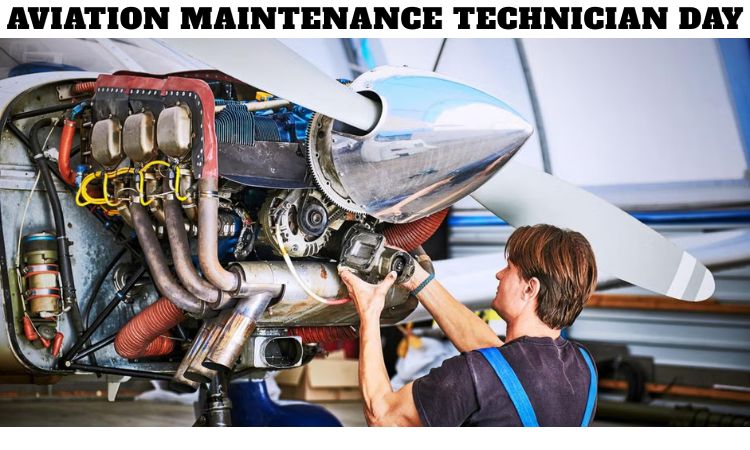
Aviation Maintenance Technician Day is observed every year on May 24 to recognize the skilled professionals responsible for maintaining, repairing, and inspecting aircraft to ensure aviation safety. These technicians play a critical role in the aviation industry by making sure airplanes operate efficiently and safely before every flight.
The day is celebrated on May 24 in honor of Charles Edward Taylor, the first aviation mechanic who built the engine used by the Wright brothers in their historic first powered flight in 1903. His contributions to aviation engineering and aircraft maintenance laid the foundation for modern aviation maintenance practices.
Aviation Maintenance Technician Day honors the dedication, technical expertise, and hard work of aviation maintenance professionals who often work behind the scenes to keep passengers, pilots, and cargo safe around the world.
Who Was Charles Edward Taylor and Why Is He Important?
Charles Edward Taylor was an American mechanic and machinist best known for building the engine that powered the Wright brothers’ first successful airplane. Born on May 24, 1868, Taylor became one of the most influential figures in aviation history despite often receiving less public recognition than the Wright brothers themselves.
When Wilbur and Orville Wright needed an engine lightweight enough for flight, they turned to Taylor for assistance. Working with limited resources, Taylor designed and built the engine in only a few weeks. His engineering skills helped make the first powered flight possible.
Taylor’s work extended beyond engine construction. He also served as a mechanic, machinist, and technical problem solver during the early years of aviation development.
Today, Aviation Maintenance Technician Day honors his legacy and recognizes the contributions of all aviation maintenance professionals.
Why Are Aviation Maintenance Technicians Important?
Aviation maintenance technicians are essential to the safety and reliability of air travel. Every aircraft must undergo regular inspections, repairs, and maintenance procedures before being approved for operation.
Technicians are responsible for identifying potential problems and ensuring aircraft systems function correctly. Their work directly impacts passenger safety, airline efficiency, and aviation reliability.
Key responsibilities include:
- Inspecting aircraft systems
- Performing routine maintenance
- Diagnosing mechanical issues
- Repairing damaged components
- Testing aircraft performance
- Maintaining safety compliance
- Updating maintenance records
Without aviation maintenance technicians, commercial and private aviation could not operate safely or efficiently.
What Does an Aviation Maintenance Technician Do?
An aviation maintenance technician works on aircraft engines, electrical systems, hydraulic systems, landing gear, and other essential components. Their responsibilities vary depending on the type of aircraft and maintenance specialization.
Daily tasks often include:
- Conducting pre-flight inspections
- Troubleshooting technical problems
- Replacing worn parts
- Repairing aircraft structures
- Performing engine maintenance
- Inspecting avionics systems
- Following safety regulations
- Documenting maintenance procedures
Technicians must work carefully and accurately because even small mechanical issues can affect aircraft performance and safety.
Many technicians work in airports, airline maintenance facilities, military bases, manufacturing plants, or private aviation companies.
How Does Aviation Maintenance Improve Flight Safety?
Flight safety depends heavily on proper aircraft maintenance. Aviation maintenance technicians help prevent accidents and equipment failures by identifying and correcting issues before flights take place.
Aircraft undergo routine inspections based on strict schedules established by aviation authorities. Maintenance technicians follow detailed procedures to ensure every system functions correctly.
Safety improvements achieved through maintenance include:
- Prevention of mechanical failures
- Improved aircraft reliability
- Compliance with aviation regulations
- Detection of wear and damage
- Enhanced passenger safety
- Reduction of operational risks
The aviation industry maintains some of the highest safety standards in transportation, and maintenance technicians are a major reason for that success.
What Skills Are Required to Become an Aviation Maintenance Technician?
Aviation maintenance technicians require strong technical knowledge, problem-solving abilities, and attention to detail. Because aircraft systems are highly complex, technicians must understand both mechanical and electronic systems.
Important skills include:
- Mechanical aptitude
- Analytical thinking
- Precision and accuracy
- Technical troubleshooting
- Communication skills
- Time management
- Understanding of aviation regulations
- Computer and diagnostic skills
Technicians must also stay updated with evolving aviation technology, modern aircraft systems, and industry safety standards.
What Training and Certifications Are Needed in This Career?
Most aviation maintenance technicians complete specialized training programs approved by aviation authorities. These programs teach students about aircraft systems, maintenance procedures, safety standards, and aviation regulations.
In many countries, technicians must obtain certifications or licenses before working independently. In the United States, for example, technicians commonly earn certification from the Federal Aviation Administration (FAA).
Training typically covers:
- Aircraft structures
- Engine systems
- Electrical systems
- Hydraulic systems
- Aviation regulations
- Maintenance documentation
- Safety procedures
Ongoing education is also important because aviation technology continues to evolve rapidly.
Why Is Aviation Maintenance Considered a Highly Skilled Profession?
Aviation maintenance is considered highly skilled because technicians work with sophisticated machinery that requires precision, technical expertise, and strict adherence to safety procedures.
Aircraft contain thousands of interconnected components, and technicians must understand how these systems interact under different operating conditions.
The profession requires:
- Advanced technical knowledge
- Continuous learning
- High responsibility
- Careful decision-making
- Strict attention to detail
- Compliance with regulations
Technicians often work under time-sensitive conditions while maintaining extremely high standards of accuracy and safety.
How Has Aviation Maintenance Changed Over Time?
Aviation maintenance has evolved significantly since the early days of flight. Early aircraft were relatively simple compared to modern airplanes, which now rely heavily on advanced electronics, automation, and digital systems.
Modern aviation maintenance includes:
- Computerized diagnostics
- Digital maintenance records
- Advanced avionics systems
- Composite material repairs
- Predictive maintenance technology
- Automated inspection systems
Despite technological advancements, the importance of skilled technicians remains unchanged. Human expertise continues to be essential for maintaining aircraft safety and performance.
What Challenges Do Aviation Maintenance Technicians Face?
Aviation maintenance technicians face demanding responsibilities and challenging working conditions. They often work irregular hours, including nights, weekends, and holidays, to ensure aircraft remain operational.
Common challenges include:
- Tight maintenance schedules
- Complex technical systems
- Harsh weather conditions
- High safety expectations
- Physical demands
- Continuous training requirements
Despite these challenges, many technicians find the profession rewarding because their work directly contributes to public safety and aviation success.
How Do Airlines and Airports Celebrate Aviation Maintenance Technician Day?
Airlines, airports, aviation schools, and aerospace companies celebrate Aviation Maintenance Technician Day by recognizing the contributions of maintenance professionals.
Celebrations may include:
- Employee appreciation events
- Safety awards
- Educational seminars
- Aviation career programs
- Technical demonstrations
- Social media recognition
- Team celebrations
- Historical tributes to Charles Taylor
Some aviation organizations also use the day to encourage young people to explore careers in aviation maintenance and aerospace technology.
Why Is Aviation Maintenance Technician Day Important for the Aviation Industry?
The holiday is important because it highlights the often-overlooked professionals who ensure aircraft remain safe and reliable. Pilots and flight crews receive public recognition, but maintenance technicians work largely behind the scenes despite their critical role.
The observance increases awareness about:
- Aviation safety
- Technical careers
- Skilled labor contributions
- Aerospace engineering support
- Maintenance professionalism
Recognizing aviation maintenance technicians helps emphasize the importance of teamwork within the aviation industry.
How Can People Celebrate Aviation Maintenance Technician Day?
People can celebrate Aviation Maintenance Technician Day by learning about aviation history, recognizing maintenance professionals, and supporting aviation education initiatives.
Popular ways to celebrate include:
- Thanking aviation technicians
- Visiting aviation museums
- Exploring aviation careers
- Attending air shows
- Sharing aviation history
- Learning about aircraft maintenance
- Supporting technical education programs
Students interested in engineering, mechanics, or aviation may also use the day to explore career opportunities in the aerospace industry.
Why Does Aviation Maintenance Continue to Be Essential in Modern Aviation?
Modern aviation depends on highly trained maintenance professionals to support increasingly advanced aircraft systems. As airlines expand globally and aircraft technology becomes more sophisticated, the demand for skilled technicians continues to grow.
Aviation maintenance technicians remain essential because they help maintain:
- Passenger safety
- Aircraft reliability
- Operational efficiency
- Regulatory compliance
- Airline performance
Their expertise ensures that millions of passengers travel safely every day across the world.
Frequently Asked Questions (FAQs)
1. When is Aviation Maintenance Technician Day celebrated?
Aviation Maintenance Technician Day is celebrated annually on May 24.
2. Why is May 24 significant for this observance?
The date honors Charles Edward Taylor, born on May 24, 1868.
3. Who was Charles Edward Taylor?
He was the mechanic who built the engine for the Wright brothers’ first airplane.
4. What does an aviation maintenance technician do?
Technicians inspect, repair, maintain, and test aircraft systems to ensure safety.
5. Why are aviation maintenance technicians important?
They help ensure aircraft operate safely and reliably.
6. What skills are needed for aviation maintenance careers?
Important skills include technical knowledge, problem-solving, precision, and mechanical aptitude.
7. Do aviation maintenance technicians need certifications?
Yes, most countries require specialized training and professional certification.
8. Where do aviation maintenance technicians work?
They work at airports, airline facilities, military bases, and aerospace companies.
9. How has aviation maintenance changed over time?
Modern maintenance now uses advanced digital systems, diagnostics, and automation technologies.
10. How can people celebrate Aviation Maintenance Technician Day?
People can recognize technicians, learn about aviation history, and support aviation education programs.