

What Is National Escargot Day and Why Is It Celebrated on May 24?
National Escargot Day is celebrated every year on May 24 to honor one of the most iconic dishes in French cuisine. Escargot, which refers to edible land snails prepared as a delicacy, has been enjoyed for centuries and remains a symbol of gourmet dining and culinary tradition.
The observance highlights the cultural importance of escargot in international cuisine while encouraging food enthusiasts to explore classic French cooking techniques and unique dining experiences. National Escargot Day is appreciated by chefs, restaurant owners, culinary students, and adventurous eaters who enjoy sophisticated and traditional dishes.
The holiday also serves as an opportunity to learn about the history, preparation methods, nutritional value, and global popularity of escargot.
What Is Escargot and Why Is It Famous?
Escargot is a French culinary dish made from specially prepared edible snails. Although snails have been consumed in many cultures throughout history, escargot became especially associated with French gastronomy and fine dining.
The dish is traditionally prepared using land snails baked with ingredients such as:
- Garlic butter
- Parsley
- Herbs
- Olive oil
- Shallots
- White wine
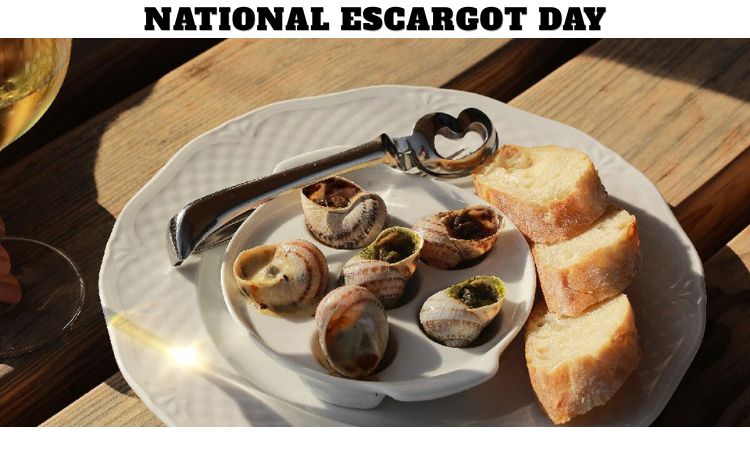
Escargot is often served in specialized dishes with individual compartments that hold the snail shells and flavorful sauce. Diners commonly use small tongs and forks designed specifically for eating escargot.
The dish became famous because of its rich flavor, elegant presentation, and strong connection to French culinary traditions.
How Did Escargot Become Part of French Cuisine?
The history of escargot dates back thousands of years. Ancient civilizations, including the Romans and Greeks, consumed snails as a source of nutrition and regarded them as a delicacy.
In France, escargot became especially popular during the nineteenth century when French chefs refined the preparation process and elevated the dish into gourmet cuisine. The classic garlic butter recipe associated with escargot gained widespread popularity in French restaurants and eventually became internationally recognized.
Escargot became a symbol of sophisticated dining and French culinary excellence. Today, it is served in restaurants around the world and remains closely tied to French food culture.
Why Is National Escargot Day Important to Food Culture?
National Escargot Day celebrates culinary diversity and encourages people to appreciate traditional dishes from different cultures. The holiday recognizes the artistry involved in preparing escargot and the historical significance of French gastronomy.
Food traditions often reflect centuries of cultural exchange, agricultural practices, and culinary innovation. Escargot represents the idea that simple ingredients can become refined gourmet experiences through skilled preparation.
The holiday also promotes:
- Culinary exploration
- Appreciation for international cuisine
- Preservation of traditional recipes
- Interest in fine dining
- Education about food history
National Escargot Day encourages people to step outside their comfort zones and experience unique culinary traditions.
What Does Escargot Taste Like?
Many people describe escargot as having a mild, earthy flavor with a texture similar to mushrooms or shellfish. The taste itself is relatively subtle, allowing the seasoning and preparation methods to play a major role in the overall flavor experience.
Traditional garlic butter sauce significantly enhances the dish by adding richness and aroma. Fresh herbs, parsley, and garlic create a savory flavor profile that complements the texture of the snails.
Escargot is often enjoyed with crusty bread, which helps soak up the flavorful sauce and enhances the dining experience.
How Is Escargot Prepared?
Preparing escargot requires careful cleaning, cooking, and seasoning. The process can vary depending on regional traditions and recipes, but several key steps are generally involved.
The preparation process often includes:
- Cleaning the snails thoroughly
- Removing shells
- Cooking the meat
- Preparing seasoned butter or sauce
- Returning snails to shells
- Baking before serving
Escargot is traditionally baked in an escargot dish and served hot. Specialized serving utensils are commonly used to help diners hold the shells and remove the snails easily.
Professional chefs often focus on balancing flavors and textures to create a refined culinary experience.
Why Is Escargot Considered a Gourmet Dish?
Escargot is regarded as a gourmet dish because of its association with fine dining, French culinary traditions, and elegant presentation. The preparation process requires attention to detail and skilled cooking techniques.
Restaurants often serve escargot as an appetizer in upscale dining settings, contributing to its reputation as a luxurious dish. Its connection to French cuisine further strengthens its image as a sophisticated culinary experience.
Factors contributing to escargot’s gourmet reputation include:
- Traditional French preparation
- Elegant presentation
- Rich herb and butter flavors
- Specialized serving dishes
- Culinary craftsmanship
Escargot remains a symbol of refined dining experiences worldwide.
What Nutritional Benefits Does Escargot Offer?
Although escargot is considered a delicacy, it also provides several nutritional benefits. Snails are naturally rich in protein while being relatively low in fat and calories.
Escargot commonly contains:
- Protein
- Iron
- Magnesium
- Vitamin B12
- Selenium
- Essential amino acids
The nutritional profile of escargot makes it appealing to people interested in high-protein foods and diverse culinary options. However, preparation methods involving butter and sauces may increase calorie content depending on the recipe.
Many chefs and nutrition enthusiasts appreciate escargot for combining flavor with nutritional value.
How Is Escargot Served Around the World?
Although escargot is most strongly associated with France, snails are consumed in many cultures worldwide. Different countries have developed their own methods for preparing and seasoning snail dishes.
Examples include:
- French garlic butter escargot
- Mediterranean herb preparations
- African snail stews
- Asian snail dishes with spices
- Spanish snail tapas
Each region incorporates local ingredients and culinary traditions, creating unique variations of snail-based cuisine.
The global popularity of escargot demonstrates the diversity of food traditions and the adaptability of culinary practices across cultures.
Why Do Restaurants Feature Escargot on Menus?
Restaurants often feature escargot because it adds sophistication and authenticity to menus, especially in French or European dining establishments. The dish appeals to diners seeking unique culinary experiences and traditional gourmet cuisine.
Escargot is frequently included on menus because it:
- Represents French culinary heritage
- Enhances fine dining experiences
- Appeals to adventurous eaters
- Pairs well with wine
- Adds variety to appetizer selections
For many restaurants, offering escargot demonstrates culinary expertise and dedication to classic cooking traditions.
How Can People Celebrate National Escargot Day?
There are many enjoyable ways to celebrate National Escargot Day for both experienced food enthusiasts and curious first-time diners.
Popular celebration ideas include:
- Visiting a French restaurant
- Trying escargot for the first time
- Cooking traditional escargot recipes
- Learning about French cuisine
- Hosting gourmet dinners
- Exploring international snail dishes
- Pairing escargot with wine
- Studying culinary history
Cooking classes and food festivals may also feature escargot demonstrations and tasting events during the holiday.
Why Does Escargot Continue to Fascinate Food Enthusiasts?
Escargot continues to fascinate people because it combines culinary tradition, cultural history, and gourmet presentation into a unique dining experience. The dish challenges expectations while introducing diners to one of the world’s most recognized delicacies.
Its long historical legacy and connection to French gastronomy help maintain its status as an iconic international dish. For adventurous eaters, escargot represents curiosity, sophistication, and appreciation for global food culture.
Frequently Asked Questions (FAQs)
1. When is National Escargot Day celebrated?
National Escargot Day is celebrated annually on May 24.
2. What does escargot mean?
Escargot is the French word for edible snails prepared as a culinary dish.
3. Why is escargot associated with French cuisine?
French chefs popularized escargot as a gourmet delicacy during the nineteenth century.
4. What does escargot taste like?
Escargot has a mild, earthy flavor often compared to mushrooms or shellfish.
5. How is escargot traditionally prepared?
Escargot is commonly baked with garlic butter, parsley, herbs, and seasonings.
6. Is escargot considered healthy?
Escargot contains protein, iron, and essential nutrients while being relatively low in fat.
7. What utensils are used to eat escargot?
Special escargot tongs and forks are commonly used to handle the shells and meat.
8. Do other countries besides France eat snails?
Yes, many cultures around the world include snail dishes in their traditional cuisines.
9. Why is escargot considered a gourmet food?
Its preparation methods, presentation, and association with fine dining contribute to its gourmet reputation.
10. How can people celebrate National Escargot Day?
People can celebrate by trying escargot, visiting French restaurants, or learning about French culinary traditions.