

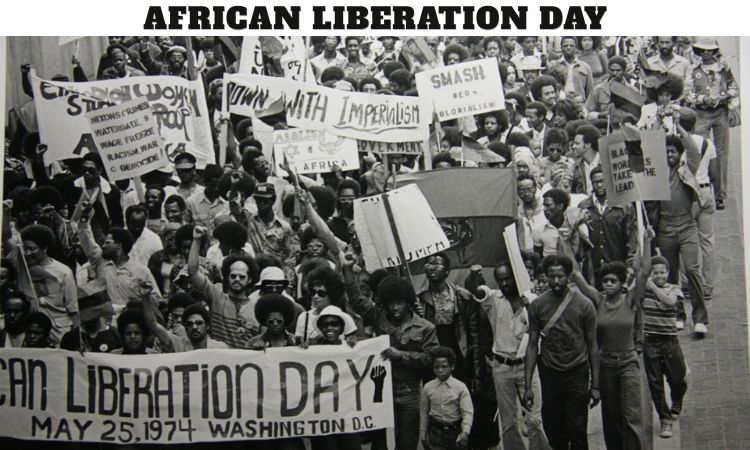
What Is African Liberation Day and Why Is It Celebrated on May 25?
African Liberation Day, observed every year on May 25, is a historic and symbolic occasion dedicated to celebrating the struggle for freedom, independence, equality, and unity across the African continent. The day honors the sacrifices made by African leaders, freedom fighters, activists, and ordinary citizens who resisted colonial rule, racial oppression, slavery, and exploitation.
The date marks the founding of the Organization of African Unity (OAU) on May 25, 1963, in Addis Ababa, Ethiopia. The organization was created by independent African nations to promote solidarity, cooperation, and liberation for countries still under colonial domination. Today, the OAU has evolved into the African Union (AU), which continues to promote peace, development, and regional cooperation across Africa.
African Liberation Day serves as a reminder that freedom was not easily won. It was achieved through determination, resilience, and collective action. Across Africa and in African communities around the world, people commemorate this day through educational events, cultural celebrations, speeches, conferences, music, art, and political discussions focused on African empowerment and unity.
How Did African Liberation Day Begin?
The roots of African Liberation Day are deeply connected to the broader Pan-African movement, which emerged during the late 19th and early 20th centuries. Pan-Africanism promoted the idea that people of African descent worldwide share common histories, struggles, and futures. Leaders and intellectuals believed unity among African nations and the African diaspora was essential for liberation and progress.
As African nations gained independence during the mid-20th century, the dream of continental unity became stronger. On May 25, 1963, leaders from 32 independent African states gathered in Ethiopia to establish the Organization of African Unity. Influential leaders such as Kwame Nkrumah, Haile Selassie, Julius Nyerere, and Gamal Abdel Nasser played critical roles in shaping the vision of African cooperation.
The OAU focused on eliminating colonialism, supporting liberation movements, protecting sovereignty, and strengthening economic and political collaboration among African nations. African Liberation Day soon became an annual observance to commemorate this milestone and honor ongoing struggles for justice and equality.
Why Is African Liberation Day Important in Modern Times?
Although many African nations achieved political independence decades ago, African Liberation Day remains highly relevant today. The day highlights ongoing challenges such as poverty, inequality, corruption, political instability, foreign exploitation, racism, and economic dependency.
African Liberation Day encourages people to reflect on how far Africa has come while also addressing the work still needed to secure genuine freedom and prosperity. True liberation extends beyond political independence. It also includes economic empowerment, educational advancement, social justice, cultural pride, technological growth, and sustainable development.
The observance also strengthens connections between Africa and the global African diaspora. Millions of people of African descent living in North America, South America, Europe, the Caribbean, and other regions continue to celebrate African heritage and advocate for global Black unity and equality.
By recognizing African Liberation Day, we acknowledge the importance of preserving African history, supporting African-led solutions, and empowering future generations to contribute positively to the continent’s development.
How Did Colonialism Shape the Need for African Liberation?
Colonialism had devastating effects on Africa for centuries. European powers divided and controlled African territories primarily for economic gain during the late 19th century. African communities lost political control, natural resources, land, and cultural autonomy.
Colonial administrations imposed foreign systems of governance, exploited labor, extracted wealth, and often suppressed local traditions and languages. Millions of Africans suffered displacement, violence, discrimination, and economic hardship under colonial rule.
Resistance movements emerged across the continent as Africans fought for dignity and self-determination. Independence leaders organized protests, political campaigns, strikes, and armed struggles to challenge colonial authorities. These movements inspired solidarity across national borders and eventually led to the independence of numerous African nations during the 1950s and 1960s.
African Liberation Day honors these liberation struggles and recognizes the courage of those who fought against injustice and oppression.
Who Were the Key Leaders Behind African Liberation Movements?
Many visionary leaders contributed to Africa’s liberation movements and the promotion of Pan-African unity. Their efforts transformed the political landscape of the continent and inspired generations.
- Kwame Nkrumah of Ghana was one of the strongest advocates for African unity and independence. He believed that Africa’s future depended on political and economic cooperation among African nations.
- Nelson Mandela became a global symbol of resistance against apartheid in South Africa. His leadership and sacrifice inspired international support for racial equality and justice.
- Patrice Lumumba of Congo fought passionately for Congolese independence and national sovereignty. His legacy remains influential in discussions about African self-determination.
- Julius Nyerere of Tanzania promoted African socialism, education, and regional cooperation. He emphasized unity and collective development.
- Haile Selassie, Emperor of Ethiopia, hosted the historic OAU conference in Addis Ababa and advocated for continental solidarity.
These leaders, along with countless activists and ordinary citizens, shaped Africa’s liberation journey and continue to inspire movements for justice and empowerment worldwide.
How Is African Liberation Day Celebrated Around the World?
African Liberation Day is observed in many countries through cultural, educational, and political activities that highlight African history, achievements, and future aspirations.
Universities, schools, and community organizations often organize seminars, lectures, and discussions about African history, colonialism, independence movements, and Pan-Africanism. These events encourage awareness and dialogue about Africa’s role in global affairs.
Cultural festivals featuring African music, dance, food, fashion, and art are also common. These celebrations promote pride in African heritage and showcase the continent’s rich cultural diversity.
Political organizations and activists use the day to address contemporary issues affecting African communities, including racial discrimination, economic inequality, healthcare challenges, and human rights concerns.
In some cities, parades and public rallies are held to honor freedom fighters and advocate for continued social progress. African Liberation Day also provides an opportunity for African diaspora communities to reconnect with their roots and strengthen cultural identity.
What Role Does Pan-Africanism Play in African Liberation Day?
Pan-Africanism remains central to African Liberation Day. The philosophy emphasizes unity, solidarity, and cooperation among African nations and people of African descent worldwide.
Pan-Africanism encourages collective action to address political, economic, and social challenges affecting African communities. It also promotes cultural pride, self-determination, and resistance against oppression and exploitation.
African Liberation Day reinforces Pan-African ideals by bringing together people from different backgrounds who share a commitment to justice, equality, and African advancement. The observance reminds us that collaboration and mutual support are essential for sustainable development and empowerment.
Modern Pan-African initiatives often focus on trade partnerships, education, technological innovation, youth leadership, and cultural exchange programs designed to strengthen ties across the African continent and diaspora.
How Does African Liberation Day Inspire Future Generations?
African Liberation Day serves as a powerful educational tool for young people. It teaches the importance of resilience, leadership, and collective responsibility.
By learning about liberation movements and African history, younger generations gain a deeper understanding of the sacrifices made to secure freedom and independence. This knowledge inspires civic engagement, cultural pride, and social awareness.
The day also highlights the achievements of African innovators, scholars, entrepreneurs, artists, and activists who continue to shape global culture and development. Young Africans and members of the diaspora are encouraged to contribute positively to their communities and pursue solutions for modern challenges.
African Liberation Day reminds future generations that progress requires unity, determination, and a commitment to justice and equality.
What Are the Major Themes of African Liberation Day Today?
Modern celebrations of African Liberation Day often focus on themes related to empowerment, sustainability, education, economic independence, and social justice.
Common discussion topics include:
- Economic development in Africa
- Youth empowerment and leadership
- African innovation and entrepreneurship
- Climate change and environmental protection
- Gender equality and women’s rights
- Cultural preservation
- Educational access and literacy
- Global Black solidarity
- Peacebuilding and conflict resolution
These themes reflect the evolving goals of African liberation in the 21st century and encourage practical action toward a more equitable future.
Why Does African Liberation Day Continue to Matter Globally?
African Liberation Day continues to matter because the struggle for equality, dignity, and opportunity remains ongoing in many parts of the world. The observance highlights the interconnected nature of global justice movements and the importance of international solidarity.
Africa’s economic growth, cultural influence, and youthful population make the continent increasingly significant on the world stage. African Liberation Day encourages global audiences to appreciate Africa’s contributions while supporting efforts to address inequality and promote sustainable progress.
The day also fosters awareness of shared human values such as freedom, unity, respect, and cooperation. By honoring African liberation movements, we recognize the universal importance of human rights and self-determination.
Frequently Asked Questions (FAQs)
1. When is African Liberation Day celebrated?
African Liberation Day is celebrated every year on May 25.
2. What is the purpose of African Liberation Day?
The day honors Africa’s struggles for freedom, independence, unity, and equality.
3. Why was May 25 chosen for African Liberation Day?
May 25 marks the founding of the Organization of African Unity in 1963.
4. What was the Organization of African Unity?
The OAU was an organization created to promote unity and cooperation among African nations.
5. What replaced the Organization of African Unity?
The African Union replaced the OAU in 2002.
6. What is Pan-Africanism?
Pan-Africanism is a movement promoting unity and solidarity among people of African descent worldwide.
7. Who are some famous African liberation leaders?
Notable leaders include Kwame Nkrumah, Nelson Mandela, Julius Nyerere, and Patrice Lumumba.
8. How do people celebrate African Liberation Day?
People celebrate through cultural events, educational programs, discussions, music, and community gatherings.
9. Is African Liberation Day celebrated outside Africa?
Yes, African diaspora communities around the world also observe the day.
10. Why is African Liberation Day still relevant today?
It highlights ongoing efforts toward equality, economic empowerment, and social justice.