

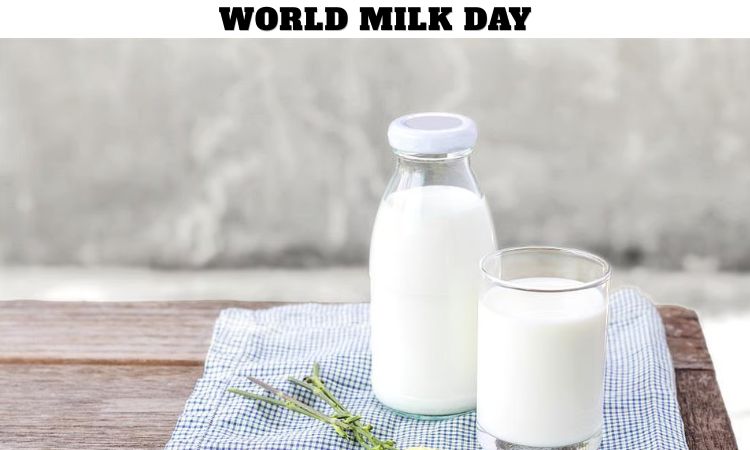
Why Is World Milk Day Celebrated on June 1?
World Milk Day is celebrated every year on June 1 to recognize the importance of milk as a global food and to highlight the contributions of the dairy sector to nutrition, economic development, agriculture, and livelihoods. The observance brings attention to the role milk plays in supporting healthy diets while acknowledging the millions of people around the world who are involved in dairy production, processing, transportation, and distribution.
Milk has been an essential part of human nutrition for thousands of years. It provides a rich source of nutrients that support growth, development, and overall health. World Milk Day serves as an opportunity to educate people about the value of dairy products and to encourage discussions about food security, sustainability, and agricultural innovation.
The annual celebration unites farmers, dairy organizations, nutrition experts, policymakers, educators, and consumers in recognizing the importance of milk within modern food systems. Through awareness campaigns, educational programs, and community events, World Milk Day highlights how dairy continues to contribute to societies across the globe.
What Is the History Behind World Milk Day?
World Milk Day was established in 2001 by the Food and Agriculture Organization of the United Nations. The initiative was created to provide a global platform for recognizing milk as an important food source and for promoting awareness of the dairy industry’s contributions to nutrition and economic development.
June 1 was selected as the official date because many countries already celebrated milk-related events around that time of year. Establishing a single international observance helped create greater visibility and encouraged coordinated participation across different regions.
Since its inception, World Milk Day has grown into a worldwide event involving governments, dairy associations, educational institutions, agricultural organizations, and consumers. Each year, participants use the occasion to share information about dairy production, nutritional benefits, sustainable farming practices, and innovations within the dairy sector.
The observance continues to expand as more countries recognize the importance of promoting balanced nutrition and supporting agricultural communities.
Why Is Milk Considered an Important Food?
Milk is widely regarded as one of the most nutrient-rich foods available. It contains a combination of essential nutrients that support overall health and well-being. These nutrients include protein, calcium, potassium, phosphorus, vitamin B12, riboflavin, and other vitamins and minerals that contribute to normal body functions.
Protein found in milk helps support muscle growth, tissue repair, and overall development. Calcium plays a critical role in maintaining strong bones and teeth, while vitamins and minerals contribute to various physiological processes throughout the body.
Milk is often included as part of balanced diets because it provides multiple nutrients in a convenient and accessible form. It can be consumed on its own or used as an ingredient in a wide variety of foods and beverages.
World Milk Day highlights the nutritional value of milk and encourages greater awareness of its role in supporting healthy lifestyles.
How Does Milk Support Human Nutrition?
Nutrition is one of the primary themes associated with World Milk Day. Milk contributes to healthy diets by providing nutrients that are important during various stages of life, from childhood through older adulthood.
For children, milk can support growth and development by providing protein and minerals needed for healthy bones and muscles. For adults, dairy products may contribute to maintaining bone density and supporting overall nutritional needs.
Milk is also a versatile food that can be incorporated into different dietary patterns. It is used in beverages, cereals, baked goods, sauces, yogurt, cheese, and numerous other food products.
The dairy sector continues to develop products that meet diverse nutritional preferences and dietary requirements, making milk and dairy foods accessible to a broad range of consumers.
World Milk Day promotes education about balanced nutrition and encourages informed food choices based on scientific understanding and dietary needs.
What Role Does the Dairy Industry Play in the Global Economy?
The dairy industry is an important contributor to economies around the world. Millions of people depend on dairy farming and related activities for employment and income. The sector supports farmers, veterinarians, feed suppliers, transport providers, processors, retailers, researchers, and many other professionals.
Dairy farming contributes significantly to rural development by creating jobs and supporting local economies. In many regions, dairy production provides stable sources of income for farming families and helps strengthen agricultural communities.
The industry also contributes to national economies through domestic sales, exports, innovation, and food manufacturing. Dairy products are traded internationally and represent an important component of global agricultural markets.
World Milk Day recognizes these economic contributions and highlights the importance of supporting sustainable growth within the dairy sector.
How Is World Milk Day Celebrated Around the World?
World Milk Day is observed in numerous countries through a wide range of activities designed to promote awareness of milk and dairy production. Educational campaigns, nutrition workshops, farm visits, public events, social media initiatives, and community celebrations are common features of the observance.
Schools often organize programs that teach students about nutrition, dairy farming, and the journey of milk from farm to table. Agricultural organizations may host open-house events that allow the public to learn about modern farming practices and animal care.
Health professionals and nutrition experts frequently use the occasion to share information about balanced diets and the role of dairy products in supporting health and wellness.
Many dairy companies and producer organizations also participate by showcasing innovations, sustainability initiatives, and educational resources aimed at increasing public understanding of the dairy industry.
These activities help connect consumers with the people and processes involved in producing dairy products.
Why Is Sustainability an Important Theme on World Milk Day?
Sustainability has become an increasingly important focus within the dairy industry. As global populations continue to grow, there is greater emphasis on producing nutritious food while minimizing environmental impacts and conserving natural resources.
Many dairy producers are adopting innovative technologies and management practices designed to improve efficiency, reduce waste, conserve water, and lower greenhouse gas emissions. These efforts contribute to more sustainable food production systems while maintaining productivity and product quality.
Research and development continue to play important roles in advancing sustainable dairy practices. Improvements in animal nutrition, farm management, renewable energy use, and resource conservation help support long-term environmental goals.
World Milk Day provides an opportunity to highlight these efforts and encourage ongoing discussions about sustainability within agriculture and food production.
How Does Dairy Farming Support Rural Communities?
Dairy farming is often a cornerstone of rural economies. Farms create employment opportunities, support local businesses, and contribute to community development. In many regions, dairy operations help sustain schools, healthcare services, transportation networks, and other essential infrastructure.
The economic benefits of dairy farming frequently extend beyond the farm itself. Equipment suppliers, feed producers, veterinary services, transportation companies, and food processors all benefit from the presence of a strong dairy sector.
Dairy farming can also help preserve agricultural traditions and strengthen community connections. Many dairy farms are family-owned businesses that pass knowledge and experience from one generation to the next.
World Milk Day recognizes the important role dairy producers play in supporting rural livelihoods and maintaining vibrant agricultural communities.
What Innovations Are Shaping the Future of Dairy Production?
The dairy industry continues to evolve through scientific research, technological advancement, and innovation. Modern dairy farms increasingly use data-driven systems to improve animal health, productivity, and resource management.
Automation, precision agriculture, digital monitoring tools, and advanced veterinary care contribute to more efficient operations and enhanced animal welfare. These innovations help farmers make informed decisions while improving productivity and sustainability.
Research also supports the development of new dairy products that meet changing consumer preferences and nutritional needs. Advances in food science continue to improve product quality, safety, and accessibility.
World Milk Day highlights the importance of innovation in addressing future food challenges and ensuring the continued availability of nutritious dairy products.
Why Does World Milk Day Remain Relevant Today?
World Milk Day remains relevant because milk continues to play an important role in nutrition, agriculture, economic development, and food security. As populations grow and dietary needs evolve, discussions about sustainable food systems and access to nutritious foods become increasingly important.
The observance provides an opportunity to recognize the contributions of dairy farmers and industry professionals while promoting awareness of the nutritional value of milk. It also encourages conversations about innovation, environmental stewardship, and the future of food production.
World Milk Day serves as a reminder that agriculture is closely connected to health, economic opportunity, and community well-being. By celebrating milk and the dairy sector, the observance highlights the many ways in which food production supports societies around the world.
Every June 1, individuals and organizations come together to recognize milk as a valuable food source and to honor the people who help ensure its availability. Through education, collaboration, and awareness, World Milk Day continues to promote understanding of the important role dairy plays in building healthier and more sustainable communities.
Frequently Asked Questions (FAQs)
1. What is World Milk Day?
World Milk Day is an annual global observance held on June 1 to recognize the importance of milk and the dairy industry.
2. When is World Milk Day celebrated?
World Milk Day is celebrated every year on June 1.
3. Who established World Milk Day?
The Food and Agriculture Organization of the United Nations established World Milk Day in 2001.
4. Why is milk considered nutritious?
Milk contains essential nutrients such as protein, calcium, vitamins, and minerals that support overall health.
5. What is the purpose of World Milk Day?
The purpose is to raise awareness about the nutritional value of milk and the contributions of the dairy sector.
6. How is World Milk Day celebrated?
It is celebrated through educational programs, awareness campaigns, farm visits, community events, and nutrition initiatives.
7. Why is the dairy industry important?
The dairy industry supports nutrition, employment, economic development, and rural communities worldwide.
8. What role does sustainability play in dairy farming?
Sustainability focuses on improving efficiency, conserving resources, reducing environmental impacts, and supporting long-term food production.
9. How does dairy farming help rural communities?
Dairy farming creates jobs, supports local businesses, and contributes to economic growth in rural areas.
10. Why is World Milk Day still relevant today?
It promotes awareness of nutrition, food security, sustainable agriculture, and the importance of dairy production.