

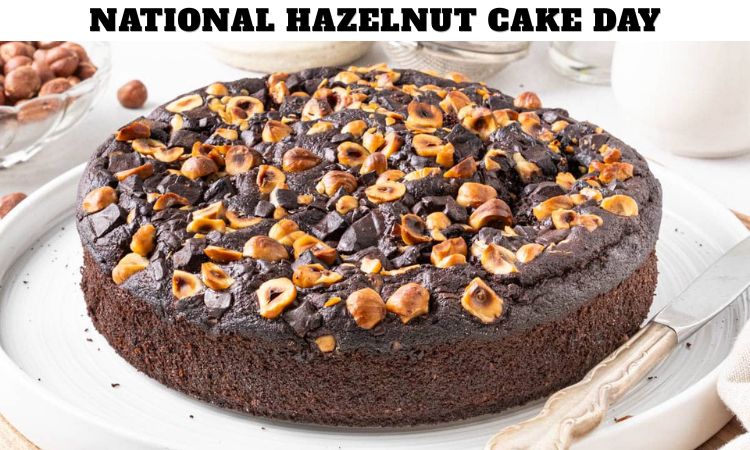
Why Is National Hazelnut Cake Day Celebrated on June 1?
National Hazelnut Cake Day is celebrated every year on June 1 to honor one of the most delicious and distinctive desserts enjoyed by baking enthusiasts around the world. Hazelnut cake combines the rich, nutty flavor of hazelnuts with soft cake textures, creamy fillings, and decadent frostings to create a dessert that is both elegant and satisfying.
The observance provides an opportunity for bakers, dessert lovers, families, and food enthusiasts to appreciate the unique qualities of hazelnut-based cakes. Whether enjoyed as a simple homemade treat or a sophisticated bakery creation, hazelnut cake has earned a special place among beloved desserts due to its rich flavor and versatility.
National Hazelnut Cake Day encourages people to explore new recipes, share homemade creations, visit local bakeries, and learn more about the ingredient that gives this cake its distinctive taste. The day celebrates not only a dessert but also the culinary traditions and baking techniques that have helped make hazelnut cake a favorite across generations.
What Is Hazelnut Cake and Why Is It So Popular?
Hazelnut cake is a dessert made using hazelnuts as a primary ingredient. The nuts may be ground into flour, finely chopped into the batter, incorporated into fillings, or used as decorative toppings. The result is a cake with a rich, slightly sweet, and distinctly nutty flavor that appeals to a wide range of tastes.
One reason for the cake’s popularity is its versatility. Hazelnuts pair exceptionally well with ingredients such as chocolate, coffee, vanilla, caramel, cream, and various fruits. This compatibility allows bakers to create countless variations ranging from simple tea cakes to elaborate layered desserts.
The texture of hazelnut cake also contributes to its appeal. Ground hazelnuts can add moisture and tenderness to baked goods while creating a pleasantly dense and flavorful crumb. Combined with smooth fillings and frostings, hazelnut cake offers a balanced and memorable dessert experience.
Its popularity continues to grow among home bakers and professional pastry chefs alike due to its sophisticated flavor profile and endless creative possibilities.
What Is the History of Hazelnuts in Baking?
Hazelnuts have been consumed by humans for thousands of years and have long played a role in culinary traditions across Europe, Asia, and other regions. Archaeological evidence suggests that ancient civilizations gathered and consumed hazelnuts as a valuable food source because of their nutritional value and rich flavor.
Over time, hazelnuts became increasingly popular in baking and confectionery. European countries developed numerous recipes featuring hazelnuts in cakes, pastries, cookies, and candies. Bakers discovered that the nuts could enhance flavor while contributing desirable textures to desserts.
As international trade expanded, hazelnut-based recipes spread to different parts of the world. Today, hazelnuts remain a key ingredient in many traditional and modern desserts. National Hazelnut Cake Day reflects this long culinary history and celebrates the continued popularity of hazelnut-flavored baked goods.
The enduring appeal of hazelnuts demonstrates how a simple natural ingredient can inspire generations of culinary creativity.
Why Do Hazelnuts Work So Well in Cakes?
Hazelnuts possess several characteristics that make them particularly suitable for baking. Their naturally rich flavor adds depth and complexity to desserts without overwhelming other ingredients. The slightly sweet and buttery taste of hazelnuts complements a variety of flavors commonly used in cakes and pastries.
Ground hazelnuts can also improve texture. When incorporated into cake batter, they help create a moist crumb and contribute to a tender consistency. Bakers often use hazelnut meal or hazelnut flour as a partial substitute for wheat flour to enhance flavor and texture.
The oils naturally present in hazelnuts contribute richness while helping maintain freshness. Additionally, toasted hazelnuts develop an even deeper flavor profile that enhances the overall character of a cake.
These qualities explain why hazelnuts have become a favorite ingredient in professional pastry kitchens and home baking projects around the world.
How Is Hazelnut Cake Made?
Hazelnut cake can be prepared using a variety of methods and recipes. Most versions begin with a batter that incorporates ground hazelnuts, hazelnut flour, or chopped nuts alongside traditional cake ingredients such as flour, eggs, sugar, butter, and leavening agents.
Some recipes emphasize the flavor of hazelnuts by using a high proportion of ground nuts in the batter. Others combine hazelnuts with chocolate, coffee, or cream-based ingredients to create more complex flavor combinations.
After baking, the cake may be filled or topped with buttercream, whipped cream, ganache, cream cheese frosting, or hazelnut spreads. Decorative elements often include toasted hazelnuts, chocolate shavings, cocoa powder, or caramelized nuts.
The flexibility of hazelnut cake recipes allows bakers to create desserts suitable for casual gatherings, holiday celebrations, birthdays, weddings, and other special occasions.
Why Is Chocolate Hazelnut Cake a Favorite Combination?
Among all hazelnut cake variations, chocolate hazelnut cake remains one of the most popular. The pairing works exceptionally well because the deep richness of chocolate complements the warm nuttiness of hazelnuts.
Chocolate enhances the natural flavor of hazelnuts while adding intensity and sweetness. The combination creates a balanced dessert that appeals to a wide range of tastes and is frequently featured in bakeries, cafes, and pastry shops.
Many bakers use chocolate ganache, chocolate buttercream, or chocolate mousse alongside hazelnut cake layers to create luxurious desserts. Toasted hazelnuts often provide additional texture and visual appeal.
The popularity of chocolate and hazelnut together has contributed significantly to the widespread recognition and appreciation of hazelnut cake around the world.
What Are the Nutritional Benefits of Hazelnuts?
While National Hazelnut Cake Day focuses primarily on enjoying a delicious dessert, hazelnuts themselves offer several nutritional benefits. Hazelnuts contain healthy fats, dietary fiber, protein, vitamins, and minerals that contribute to overall nutrition when consumed as part of a balanced diet.
They are a source of vitamin E, which functions as an antioxidant and supports normal cellular function. Hazelnuts also provide minerals such as magnesium, copper, and manganese.
The healthy fats found in hazelnuts contribute to their satisfying flavor and texture. Their nutrient density has made them a popular ingredient not only in desserts but also in snacks, spreads, and savory dishes.
Although cakes are typically enjoyed as treats, the inclusion of hazelnuts adds a nutritious ingredient that has been valued in diets for centuries.
How Do People Celebrate National Hazelnut Cake Day?
National Hazelnut Cake Day is celebrated in many enjoyable ways. Home bakers often mark the occasion by preparing their favorite hazelnut cake recipes or experimenting with new variations. Baking with family and friends can make the celebration both educational and entertaining.
Many people visit local bakeries to sample professionally crafted hazelnut desserts. Specialty bakeries may feature seasonal promotions, unique cake flavors, or limited-edition creations inspired by the holiday.
Food enthusiasts frequently share recipes, baking tips, and photos of their cakes through social gatherings and online communities. Cooking classes and baking workshops may also use the occasion to teach techniques related to nut-based desserts.
Some celebrations involve hosting dessert parties where guests can sample different types of hazelnut cakes and compare flavor combinations. These activities help create memorable experiences centered around a shared appreciation for baking and good food.
What Makes Hazelnut Cake Suitable for Special Occasions?
Hazelnut cake is often chosen for special occasions because of its elegant appearance and sophisticated flavor. The rich taste of hazelnuts creates a sense of luxury that elevates the dessert beyond everyday cakes.
Layered hazelnut cakes decorated with cream, chocolate, or fresh fruit can serve as impressive centerpieces for celebrations. Their versatility allows them to be adapted to different themes, seasons, and personal preferences.
Whether served at birthdays, anniversaries, weddings, family gatherings, or holiday meals, hazelnut cake offers a memorable dessert experience that appeals to guests of all ages.
Its ability to balance richness with subtle nutty flavors makes it a timeless choice for important events and festive occasions.
Why Does National Hazelnut Cake Day Continue to Be Popular?
National Hazelnut Cake Day continues to grow in popularity because it celebrates a dessert that combines exceptional flavor, culinary tradition, and creative baking possibilities. Hazelnut cake appeals to both casual dessert lovers and experienced bakers who appreciate its versatility and sophistication.
The holiday encourages people to explore baking, discover new recipes, and share food experiences with others. It also highlights the enduring popularity of hazelnuts as a premium baking ingredient that has inspired generations of cooks and pastry chefs.
As food culture continues to evolve, hazelnut cake remains a favorite because it successfully blends tradition with innovation. New recipes and techniques continue to emerge while preserving the classic flavors that made the dessert popular in the first place.
Every June 1, National Hazelnut Cake Day provides an opportunity to celebrate craftsmanship, creativity, and the simple pleasure of enjoying a delicious homemade or professionally baked dessert. The holiday reminds us that great baking often begins with quality ingredients, thoughtful preparation, and a passion for sharing memorable flavors with others.
Frequently Asked Questions (FAQs)
1. When is National Hazelnut Cake Day celebrated?
National Hazelnut Cake Day is celebrated annually on June 1.
2. What is hazelnut cake?
Hazelnut cake is a dessert made using hazelnuts in the batter, filling, frosting, or decoration.
3. Why are hazelnuts popular in baking?
Hazelnuts provide a rich, nutty flavor and contribute moisture and texture to baked goods.
4. What flavors pair well with hazelnuts?
Chocolate, coffee, vanilla, caramel, cream, and fruit pair exceptionally well with hazelnuts.
5. Can hazelnut cake be made at home?
Yes, many recipes are suitable for home bakers of all skill levels.
6. Why is chocolate hazelnut cake so popular?
The rich flavor of chocolate complements the natural nuttiness of hazelnuts, creating a balanced dessert.
7. Are hazelnuts nutritious?
Hazelnuts contain healthy fats, fiber, protein, vitamins, and minerals.
8. How do people celebrate National Hazelnut Cake Day?
People celebrate by baking hazelnut cakes, visiting bakeries, sharing recipes, and hosting dessert gatherings.
9. Can hazelnut cake be served at special occasions?
Yes, hazelnut cake is often served at birthdays, weddings, anniversaries, and holiday celebrations.
10. Why does National Hazelnut Cake Day remain popular?
It celebrates a beloved dessert that combines rich flavor, baking tradition, and culinary creativity.